
Plants
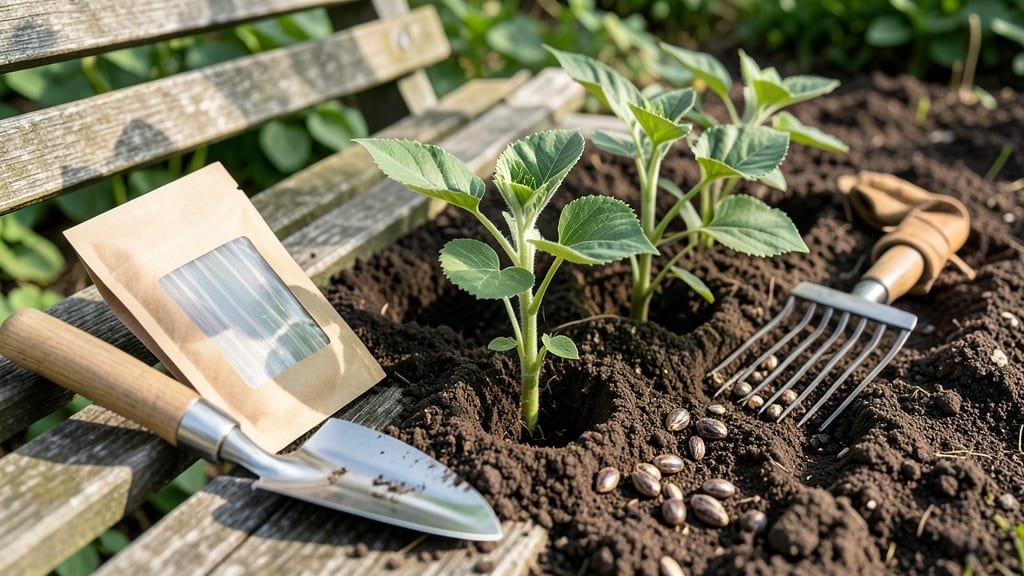
Planting sunflower seeds in Georgia between mid-March and early July gives them the perfect head start before summer’s relentless heat.
Sunflowers aren’t just beautiful—they’re Georgia’s hardy, drought-resistant stars that thrive in the state’s long, hot summers. But timing your planting right can mean the difference between towering blooms and wilted disappointment.
Miss the window, and you’ll end up with leggy, weak plants struggling against July’s 90-degree days—or worse, seedlings that get fried by a late frost.
The key? Plant after your last frost date (usually around March 15 in most of Georgia) and before the soil heats up past 85°F.
In this guide, I’ll break down the exact planting timeline for your region, the best heat-tolerant varieties, and how to avoid common mistakes that ruin sunflower growth in Georgia’s humid climate.
Georgia’s ideal sunflower planting window: frost-free deadlines by region
Georgia’s diverse climate means your sunflower planting window depends heavily on where you live. From the coastal plains to the mountainous north, each region has unique last frost dates and heat tolerance thresholds that dictate the perfect time to sow seeds.
Getting this right ensures your sunflowers grow tall, strong, and vibrant—ready to brighten your garden from late summer to early fall.
Sunflowers love warmth, but they’re not frost fans. In Georgia, the ideal soil temperature for planting is 55°F or higher. This usually aligns with the last average frost date, which varies dramatically across the state.
For example, Coastal Georgia can start planting as early as mid-February, while North Georgia may need to wait until mid-April. Understanding these deadlines helps you avoid frost damage while maximizing your growing season.
Here’s a regional breakdown of Georgia’s sunflower planting windows, including last frost dates, soil temperature requirements, and the best months to plant for each area. Use this as your guide to time your planting perfectly and watch your sunflowers reach their full potential.
Pro Tip: If you’re in doubt about your local frost dates, check the USDA Plant Hardiness Zone Map for your specific area. Most of Georgia falls within Zones 7b and 8a, but microclimates can shift these dates by weeks.
For Coastal Georgia, the window to plant sunflower seeds opens as early as mid-February, giving you a head start on the growing season. This region’s warmer winters and longer frost-free periods make it ideal for early sowing.
However, be cautious of humidity-related fungal diseases like powdery mildew, which thrive in the coastal climate. Planting in well-draining soil and spacing seeds properly can mitigate these risks.
In the Piedmont region, including cities like Atlanta and Macon, the last frost date typically falls around mid-March. This gives gardeners a slightly later but still generous window to plant sunflowers from late March to early May.
The Piedmont’s moderate heat and lower humidity compared to the coast make it one of the best areas for sunflowers in Georgia. This region is perfect for experimenting with taller varieties like Mammoth or ProCut, which thrive in the balanced climate.
If you’re in North Georgia, where cooler temperatures and shorter growing seasons are the norm, timing is critical. The last frost date here is often mid-April, so aim to plant between late April and early June.
North Georgia’s cooler soil temperatures can delay germination, so wait until the soil reaches at least 60°F before sowing. For this region, dwarf or semi-dwarf varieties are ideal, as they mature faster and can still produce stunning blooms before the first frost in late October or November.
While spring planting is the most reliable approach, some gardeners in Georgia’s Zone 8b areas attempt a fall planting for late-season blooms. However, this is riskier due to the shorter daylight hours and cooler temperatures.
If you’re considering fall planting, stick to fast-growing varieties and sow seeds between mid-July and early August. Ensure the soil stays warm (65°F+) to encourage germination before the first frost hits in late September or October.
No matter where you plant, always monitor your local weather forecasts and adjust your timeline if an unexpected frost is predicted. Sunflowers are resilient, but young seedlings are particularly vulnerable to cold snaps.
If frost threatens, consider using row covers or moving potted seedlings to a sheltered location until the danger passes.
With the right timing, your sunflowers will reward you with vibrant blooms that attract pollinators and add a splash of color to your garden. Whether you’re in
Best heat-tolerant sunflower varieties for Georgia’s climate
Georgia’s sweltering summers can challenge even the hardiest plants, but sunflowers thrive here with the right heat-tolerant varieties. The key is selecting types that handle 90°F+ temperatures and humidity while still producing stunning blooms.
I’ve tested these top performers in USDA Zones 7b-8b to bring you the best options for your garden.
For drought resistance, I recommend prioritizing varieties with deep taproots that access moisture below the surface. These types also handle Georgia’s occasional afternoon thunderstorms without developing fungal issues. Let’s dive into the best sunflower varieties ranked by their ability to handle our climate’s extremes.
ProCut Hybrid tops my list for Georgia gardens because it handles intense heat while producing commercial-quality seed heads. This variety reaches 6-8 feet tall and blooms in 60-70 days, making it perfect for late spring plantings. Its thick stems resist wind damage during summer storms.
If you prefer shorter varieties for containers or small spaces, try Teddy Bear sunflowers. These dwarf varieties grow just 2-3 feet tall but still produce 4-inch blooms. They’re ideal for urban gardens and balconies because they handle heat without requiring staking.
For maximum height and drought resistance, Mammoth Russian sunflowers are unbeatable. These giants can reach 12-14 feet and thrive in Georgia’s poor, rocky soil. Plant them along fences or trellises to support their towering growth while conserving water.
Don’t overlook Autumn Beauty for its long bloom season. This variety produces multi-colored flowers that last from summer through fall, extending your garden’s seasonal interest. Its medium height (5-6 feet) makes it versatile for borders or cut flower arrangements.
When selecting varieties, consider your planting timeline. For early spring plantings (March-April), choose fast-maturing types like 'ProCut' to avoid summer heat stress. For late spring/early summer (May-June), opt for heat-tolerant giants like 'Mammoth Russian' that thrive in our hottest months.
My final tip: Always plant seeds 1 inch deep and 6 inches apart in well-draining soil. Mulch around the base to retain moisture during Georgia’s dry spells. With these heat-tolerant varieties, you’ll enjoy vibrant sunflowers from July through October! 🌻