
Flowers
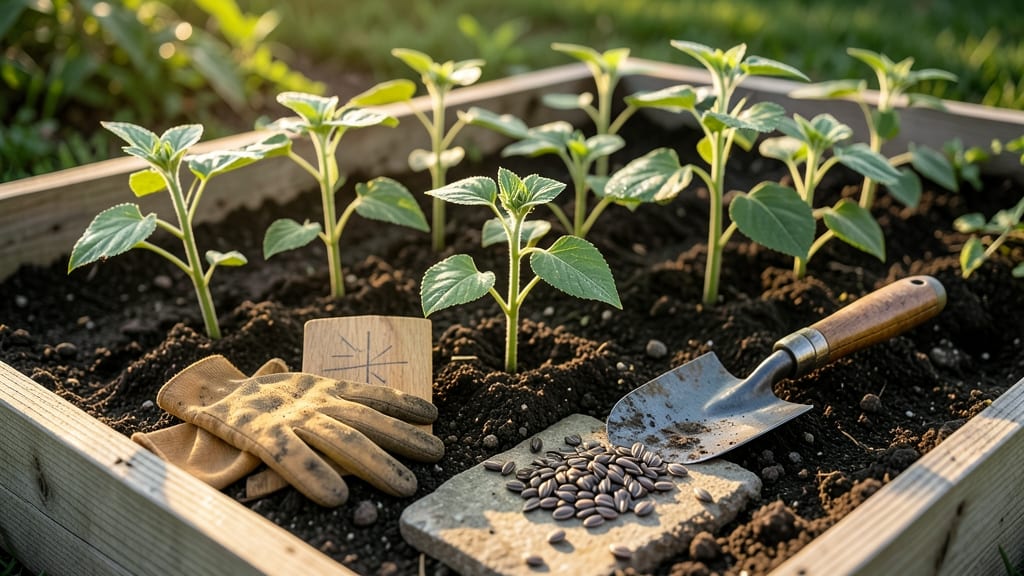
Plant sunflowers in Georgia when soil temperatures hit at least 55°F—typically mid-March to early July for the best fast germination and vibrant blooms.
Georgia’s warm climate and long growing season make sunflowers a perfect addition to your garden—but timing is everything. Plant too early, and frost will kill seedlings; too late, and you’ll miss the stunning blooms that attract pollinators and add height to your landscape.
In USDA zones 7b-8b, soil warms quickly after the last frost (usually around March 15), but coastal areas may need to wait until April. The key is watching soil temps, not just calendar dates, to avoid slow starts or bolting in summer heat.
Below, I’ll break down the exact soil temperature triggers, regional adjustments for Atlanta vs. Savannah, and whether direct sowing or transplants give you a faster harvest. Ready to grow towering 🌻 sunflowers with confidence?
Optimal Georgia planting dates by soil temperature for sunflower germination
Sunflowers thrive in Georgia’s warm climate, but soil temperature is the key factor for successful germination. Seedlings need soil temperatures between 45°F and 60°F to sprout consistently, with 55°F–60°F being ideal for faster growth.
Planting too early in cold soil delays emergence, while waiting too long risks missing the late-summer bloom window when pollinators are most active.
Georgia’s diverse microclimates—from the Coastal Plain to the Piedmont and North Georgia Mountains—create variations in frost dates and soil warming. Coastal areas like Savannah warm earlier, while higher elevations near USDA Zone 7b may need to wait until late April.
Always check your local last frost date (typically mid-March to early April) as a baseline, but prioritize soil temperature over calendar dates.
For direct sowing, use a soil thermometer to confirm temperatures meet the 45°F minimum. In colder North Georgia regions, wait until early May to avoid frost damage. In the Piedmont, mid-April is often safe, while Coastal Georgia can start as early as late March.
Transplants tolerate cooler soil slightly better but still need at least 50°F for healthy root establishment.
Soil temperature rises faster in full sun and sandy soils, so choose a warm, well-drained spot. Mulching with black plastic or straw can raise soil temps by 5–10°F, accelerating germination. Avoid planting in waterlogged or compacted soil, which stays cold longer and hinders root development.
| Region | USDA Zone | Optimal Planting Window | Soil Temp for Germination | Last Frost Date |
|---|---|---|---|---|
| Coastal Georgia (Savannah, Brunswick) | Zone 8a-8b | Late March–early April | 50°F–60°F | Mid-February |
| Piedmont (Atlanta, Macon) | Zone 7b-8a | Mid-April–early May | 55°F–60°F | Early March |
| North Georgia (Blue Ridge, Dahlonega) | Zone 7a-7b | Early May–mid-May | 55°F–60°F | Late March |
For a second planting in late summer, aim for early July to enjoy fall blooms before the first frost (typically mid-November). This strategy works best in Coastal Georgia, where the growing season extends longer.
In North Georgia, limit late plantings to heat-tolerant varieties like 'Moulin Rouge' to avoid bolting.
Adjust planting dates if your soil stays below 50°F for more than a week. Use row covers or cold frames to protect seedlings if early planting is necessary.
Monitor soil moisture closely—dry soil warms faster than wet soil, so water lightly before planting to maintain even temperatures. Overwatering can cool the soil and delay germination.
Sunflowers grown from transplants (purchased seedlings) can tolerate slightly cooler soil (50°F) but still benefit from warmth. Harden off transplants for 5–7 days before setting them out to reduce shock.
If you’re unsure about soil temps, opt for direct sowing—it’s more forgiving and aligns with natural germination triggers.
In USDA Zone 8b (Coastal Georgia), you can even experiment with winter sowing in December for early spring blooms. Use a greenhouse or cold frame to protect seeds until soil temps rise in February. This method extends your growing season and attracts early pollinators like bees and butterflies.
Pro tip: Plant dwarf varieties like 'Teddy Bear' in containers or raised beds for better temperature control. These spots warm up faster than in-ground soil, giving you a head start in colder regions. Just ensure containers have drainage holes to prevent waterlogging, which can lower soil temperatures.
How to extend your Georgia sunflower season with successive planting
Sunflowers in Georgia thrive with the right timing, but why stop at one harvest? By using successive planting, you can enjoy blooms from summer through fall.
The key is choosing the right varieties and spacing out your plantings to avoid bolting—when plants flower too quickly due to heat stress. Georgia’s climate lets you stretch the season, but you’ll need a strategic approach.
Start with cold-hardy varieties like 'Autumn Beauty', which tolerates cooler temperatures and extends your blooming window. For late-season success, pair it with heat-tolerant types like 'ProCut' or 'Moulin Rouge'.
These varieties perform well in Georgia’s 90°F+ summers without bolting prematurely. The trick is balancing soil warmth and day length to keep plants happy.
Here’s how to maximize your sunflower season with staggered plantings—perfect for Georgia’s USDA zones 7b-8b:
- 1 Early Spring Planting (March-April): Sow seeds when soil reaches 55°F—ideal for 'Autumn Beauty'. These mature by mid-summer and handle Georgia’s heat better than late plantings.
- 2 Late Spring (May-June): Plant heat-tolerant varieties like 'ProCut' for fall blooms. Space seeds 12–18 inches apart to prevent competition and reduce bolting risk.
- 3 Early Summer (July): For a second flush of blooms, sow dwarf varieties like 'Teddy Bear' in partial shade to escape peak heat. These bloom faster and avoid bolting.
- 4 Watering Strategy: Deep water every 3–4 days in summer to prevent stress. Mulch with straw to retain moisture and regulate soil temp—critical for Georgia’s humidity swings.
Early-season sunflowers (March-April plantings) tend to produce taller stems and larger blooms, perfect for cut flowers or bird feeders. Late-season varieties (June-July) often yield smaller but more abundant blooms, ideal for pollinator gardens.
The trade-off? Early plantings risk bolting if summer heat arrives too soon, while late plantings may struggle with shorter daylight in fall.
To avoid bolting, monitor your plants closely. If leaves turn yellow or wilt under 95°F+ heat, provide light shade with floating row covers during peak afternoon sun. Prune lower leaves to improve airflow and reduce fungal risks—Georgia’s high humidity can turn a thriving garden into a disease hotspot overnight.
With successive planting, you can enjoy sunflowers from June through October—just adjust your schedule based on your microclimate. Coastal areas (like Savannah) can plant later, while inland regions (like Athens) should start earlier to beat the heat.
The result? A continuous display of color, pollinators buzzing all season, and seeds ready for harvest long after your neighbors’ gardens have faded.