
Blooming
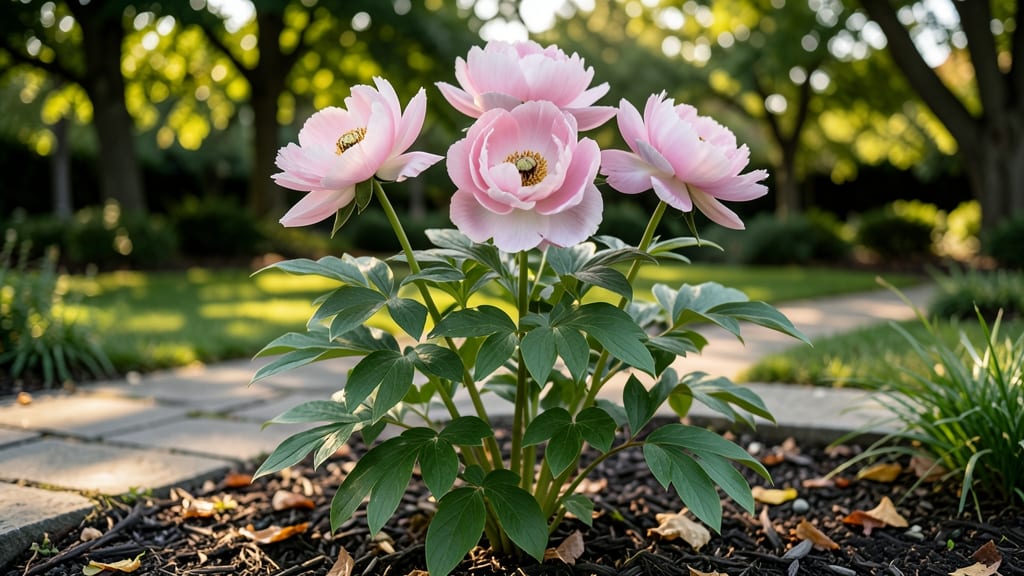
The peony flower time transforms gardens into fragrant, colorful masterpieces 🌸 in late spring to early summer—but the exact timing depends on your variety and where you live.
Picture this: you’ve waited all winter for those lush, velvety blooms, only to find your ‘Sarah Bernhardt’ peonies opening a full two weeks later than your neighbor’s. That’s not just luck—it’s chill hours, sunlight, and even soil type working together (or against you).
In USDA Zone 6a, most peonies burst into color between late May and early June, but early bloomers like ‘Early Wind’ can surprise you in April, while late varieties like ‘Coral Charm’ might linger into July.
The right care can even nudge your blooms earlier—or keep them coming longer.
Here’s how to predict your peonies’ flower time, adjust it with simple tricks, and avoid the three biggest mistakes that steal their showtime. Let’s make sure your garden gets the grand entrance it deserves.
Peony bloom time by variety: exact months for early, mid, and late season flowers
Peonies are the stars of late spring gardens, but their bloom time varies dramatically depending on whether you're growing herbaceous, tree, or intersectional varieties.
While most gardeners expect blooms in May or June, early varieties can flower as soon as late April, while late varieties may linger until early July. Understanding these differences helps you plan for a continuous color display throughout the season.
Your USDA hardiness zone also plays a critical role. In Zone 3, peonies often bloom 2-3 weeks earlier than in Zone 9 due to colder winters and earlier warming.
For example, 'Sarah Bernhardt' typically blooms in mid-May in Zone 5 but may appear in late April in Zone 3. Let's break down the exact bloom windows for popular varieties and how to adjust planting for your region.
| Variety Type | Popular Varieties | Bloom Time (Zone 5) | Bloom Time (Zone 9) | Color & Notes |
|---|---|---|---|---|
| Early Herbaceous | 'Sarah Bernhardt', 'Duchesse de Nemours' | Late April - Early May | Mid-May - Early June | Coral-pink, double blooms; fragrant |
| Mid-Season Herbaceous | 'Bowl of Beauty', 'Coral Charm' | Mid-May - Late May | Late May - Early June | Crimson, salmon-pink; semi-double blooms |
| Late Herbaceous | 'Felicity', 'Krinkled White' | Late May - Early June | Early June - Mid-June | White, ruffled petals; long stems |
| Tree Peonies | 'Bai Tao', 'Shin-Shu' | Late May - June | June - Early July | Yellow, peony-like flowers; woody stems |
| Intersectional | 'Moonglow', 'Bartzella' | Mid-May - Late May | Late May - Early June | Soft pink, hybrid vigor; repeat blooms |
Note: Adjust bloom times 1-2 weeks earlier for Zones 3-4 and 1-2 weeks later for Zones 7-9.
Herbaceous peonies like 'Sarah Bernhardt' are the earliest bloomers, often opening their coral-pink, fragrant flowers as soon as late April in cooler zones. These varieties thrive in full sun and well-draining soil, making them ideal for border gardens where you want early color.
Their blooms typically last 7-10 days before fading, so planting multiple varieties ensures a prolonged display.
Mid-season varieties such as 'Bowl of Beauty' and 'Coral Charm' peak in mid-to-late May in Zone 5, offering a vibrant crimson or salmon-pink contrast to early bloomers. These semi-double flowers are perfect for cut flower arrangements and often produce multiple buds per stem.
In warmer climates (Zone 9), their bloom period shifts to late May through early June, aligning better with traditional spring weddings.
For a late-season splash, plant varieties like 'Felicity' or 'Krinkled White', which bloom in late May to early June. These ruffled white blooms add elegance and extend your garden's season by 2-3 weeks.
Tree peonies, like 'Bai Tao', are the latest bloomers, often flowering in June or even July in warmer zones. Their woody stems and large, peony-like flowers make them standout shrub specimens.
To extend your peony season, consider planting intersectional hybrids like 'Moonglow', which combine the best traits of herbaceous and tree peonies. These varieties often produce repeat blooms throughout the season, especially if deadheaded regularly.
For urban gardens with limited space, dwarf varieties like 'Little Red' bloom in mid-May and reach only 18-24 inches tall, perfect for container gardening.
Regional adjustments are key to timing your peonies correctly. In Zone 3, where winters are harsh, peonies often bloom 2-3 weeks earlier than in Zone
How to predict your peonies’ flower time: climate, chill hours, and planting tips
Peonies need precise conditions to bloom on schedule, and understanding chill hours and microclimates is key. Unlike many perennials, peonies rely on a specific winter cold period to trigger spring blooms. If your garden doesn’t get enough chill hours, your peonies might bloom late—or not at all!
The good news? With the right planting timing and soil prep, you can nudge your peonies to flower when you want them to.
Most peonies require between 500 and 1,000 chill hours below 45°F (7°C) to break dormancy. In warmer climates (USDA zones 7-9), this can be tricky, but strategic fall planting and mulching techniques can help.
Even in urban gardens with limited space, choosing the right sun exposure and soil drainage makes a difference in bloom timing.
🌱 Key Factors for Peony Bloom Time
- Chill Hours: Peonies need 500-1,000 hours below 45°F (7°C) to bloom. Track your local winter temps to predict timing.
- Sunlight: 6+ hours of full sun daily ensures strong stems and vibrant blooms. South-facing spots work best.
- Soil Conditions: Well-draining, slightly alkaline soil (pH 6.5-7.5) prevents rot and encourages root growth.
- Planting Depth: Bury crowns 1-2 inches below soil for optimal bloom timing. Too deep = late blooms; too shallow = weak stems.
- Mulching: Apply 3-4 inches of mulch in fall to retain moisture and regulate soil temps for consistent chill hours.
If you’re in a warmer climate (like zones 8-9), consider planting peonies in fall instead of spring to give them more time to establish roots before summer heat arrives. This extra root growth translates to stronger blooms the following year.
For urban gardeners with limited space, choose dwarf varieties like 'Little Red' or 'Belle of Saratoga,' which thrive in containers and still meet chill hour requirements.
Soil prep is just as critical as planting time. Peonies hate soggy roots, so amend heavy clay with compost or sand to improve drainage. A well-draining, slightly alkaline soil (pH 6.5-7.5) ensures roots stay healthy and blooms arrive on time.
Test your soil in early spring—if it’s too acidic, add lime to adjust the pH before planting.
For late-blooming peonies, try these tricks: Plant in a north-facing microclimate to delay warmth exposure, or use shade cloth in early spring to slow growth until chill hours are met.
Conversely, if you want earlier blooms, plant in a south-facing spot with reflective surfaces (like a white fence) to maximize sunlight.
Finally, resist the urge to fertilize heavily in fall—peonies need to enter dormancy properly. A light application of 5-10-10 fertilizer in early spring (when shoots emerge) is enough to fuel blooms without overstimulating growth.
Pair this with consistent watering (deep soaks once a week) to keep roots happy without encouraging weak stems.