
Planting
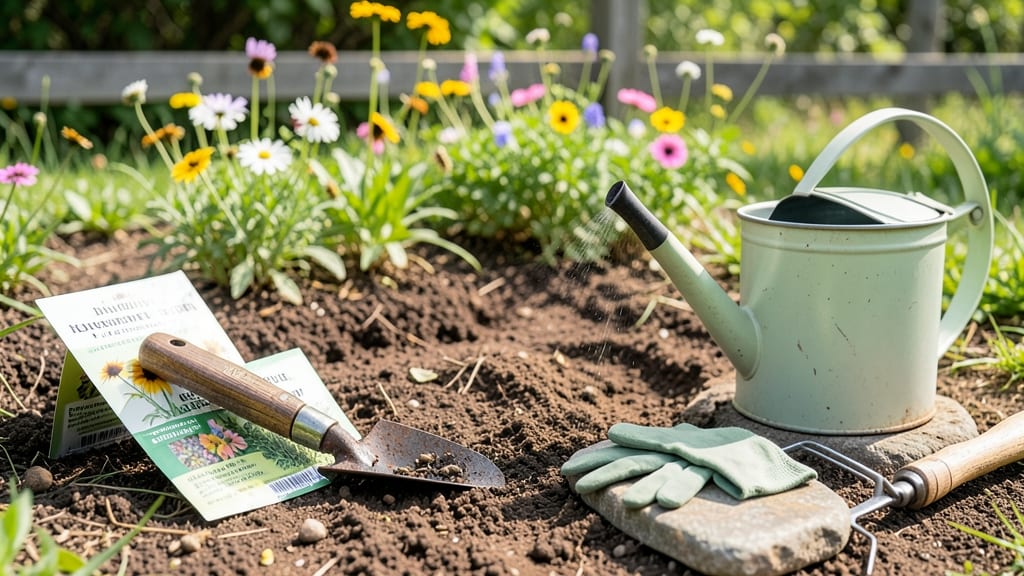
Planting native wildflower seeds at the right time is the key to a thriving meadow 🌼 — aim for late summer or early spring in your USDA zone for the best results.
Picture this: you’ve spent hours clearing weeds, tilling the soil, and selecting the perfect seed blend, only to watch your meadow fail because you planted too early or too late.
Timing isn’t just about the calendar—it’s about moisture, temperature, and avoiding pests that can wipe out your hard work before it even starts.
Most regions see their best success when seeds go in the ground between September and October, or in March and April, depending on your zone. This isn’t just guesswork; it’s rooted in how native wildflowers naturally germinate in their ecosystems.
I’ll walk you through the ideal windows for your specific USDA zone, plus soil prep tricks that make all the difference.
By the end, you’ll know exactly when to scatter those seeds, how deep to plant them, and the low-maintenance care that keeps your meadow blooming for years—without the fuss of constant upkeep.
Best planting months for native wildflowers by USDA zone
Native wildflowers are resilient, drought-tolerant plants that thrive when planted at the right time. The best planting months depend on your USDA hardiness zone and local climate patterns. Fall planting often outperforms spring for most regions, but exceptions exist for arid zones or areas with early frosts.
Understanding your zone ensures seeds germinate properly and establish strong roots before winter or summer heat.
For USDA Zones 3-5, where winters are harsh, aim for late summer to early fall (August-September) to allow roots to develop before frost. In Zones 6-10, late summer planting (August-September) works well, but spring planting (March-April) is also viable in milder climates.
Always check your last frost date and soil moisture levels to avoid planting too early or late.
Key factors like rainfall, temperature, and soil conditions vary by region. For example, Zone 4 gardeners should plant in September to avoid winter kills, while Zone 9 can extend planting into October. Below is a zone-by-zone breakdown to simplify your planning.
| USDA Zone | Best Planting Months | Climate Considerations | Soil Prep Tip |
|---|---|---|---|
| Zones 3-4 | Late August–September | Cold winters; plant before first frost | Loosen soil, add compost |
| Zones 5-6 | Late August–October | Moderate winters; extend to October | Test pH, amend if acidic |
| Zones 7-8 | September–October | Mild winters; avoid drought stress | Mulch after planting |
| Zones 9-10 | September–November | Warm winters; plant into fall rains | Irrigate lightly post-planting |
In USDA Zones 3-4, where winters are brutal, focus on late summer planting (August-September) to give seeds time to germinate before the ground freezes. For example, black-eyed Susans and coneflowers thrive when planted in September, as they need 60-90 days of root growth before winter dormancy.
Avoid spring planting in these zones—seeds may rot if soil thaws too early.
Gardeners in Zones 5-6 have more flexibility, with late August to October as the ideal window. This range accommodates both cool-season wildflowers like aster and goldenrod, which germinate in cooler temperatures. If planting in October, ensure seeds don’t sprout before frost by keeping soil lightly moist but not soggy.
For Zones 7-10, where winters are mild or nonexistent, extend planting into late fall (November) in arid climates.
In Zone 9-10, take advantage of fall rains to reduce irrigation needs. California poppies and lupines benefit from this timing, as they germinate best in cool, moist conditions after summer heat.
Regardless of your zone, avoid planting during extreme heat (July-August in most regions) or freezing temperatures. Seeds need consistent moisture and stable soil temps (50–70°F) to germinate.
If your area experiences drought stress in late summer, opt for spring planting (March-April) instead, but be prepared to water deeply until roots establish.
Pro tip: Stratify seeds if your region has hot, dry summers. Many native wildflowers require a cold period to break dormancy. Place seeds in a damp paper towel in the fridge for 4-6 weeks before planting. This mimics natural winter conditions and boosts germination rates by 30-50%.
Finally, monitor soil moisture after planting. Overwatering can wash seeds away, while underwatering stunts growth. Aim for 1 inch of water per week (or natural rainfall) until seedlings appear. Once established, most native wildflowers require minimal watering—just enough to survive drought.
With the right timing, your wildflower meadow will bloom abundantly from year one. Start small (a 10x10 ft patch), experiment with seed mixes, and adjust planting dates based on your local microclimate. Happy gardening! 🌼
Why late summer is the optimal time for most regions
Late summer, particularly September and October, often delivers the best wildflower establishment because of cooler temperatures and consistent soil moisture. Unlike spring planting, late summer seeds avoid peak summer heat stress while still benefiting from fall rainfall in many regions.
This timing gives young roots 6-8 weeks of growth before winter dormancy—critical for first-year survival.
Native wildflowers planted in late summer also outcompete weeds more effectively because their early growth coincides with reduced weed germination later in the season. The cooler air temperatures minimize fungal diseases that plague spring-sown seeds, while humidity levels remain moderate—ideal for seedling development without overheating.
Science backs this up: studies show fall-planted seeds achieve 30-50% higher germination rates than spring-planted seeds in temperate climates. The moisture retention in late summer soils (especially after summer rains) provides optimal hydration without the watering demands of summer drought.
However, arid climates (Zones 7-10) often buck this trend. Here, late summer's intense heat and drought make winter planting (February-March) the better choice. The cool, wet winter months provide the moisture wildflowers need to germinate without competition from summer weeds.
For humid southern regions, late summer planting also reduces fungal risks that plague spring sowings. The lower humidity and cooler nights create ideal conditions for seedling vigor without the fungal pressure of spring's dampness.
Always check your local frost dates—aim to plant 4-6 weeks before first frost for best results.
Remember: native wildflowers thrive when planted close to their natural germination cues. Late summer mimics the wildfire-follow or disturbed-soil conditions many species rely on—giving your meadow the competitive edge it needs to flourish. 🌱