
Landscaping
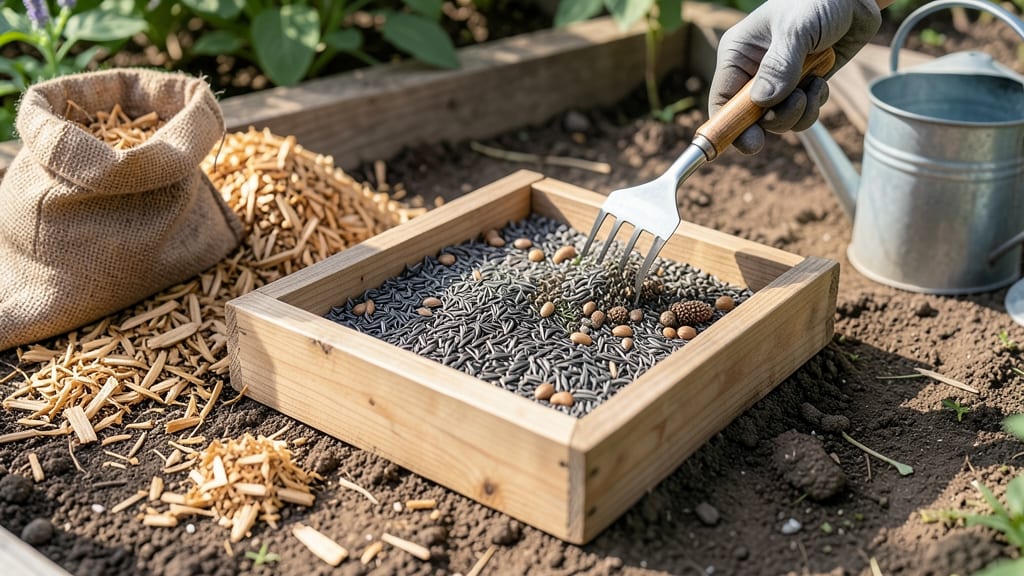
You can put mulch over wildflower seeds, but only in the right way—too much or the wrong type can smother those tiny sprouts before they even peek through the soil.
Wildflower seeds need just the right conditions to sprout—too much mulch can smother them, while too little leaves them vulnerable to drying out. The key lies in a delicate balance that ensures moisture retention without blocking sunlight or airflow.
In this guide, I’ll break down the best mulch types (like straw or shredded leaves) and how to apply them lightly after seeds germinate. You’ll also discover alternatives that protect seedlings without risking suffocation.
Whether you’re prepping a late spring meadow or a summer garden, these tips will help your wildflowers 🌼 thrive from the start.
When and how to use mulch over wildflower seeds for germination
Wildflower seeds are delicate when they first sprout, requiring consistent moisture and gentle protection from drying winds. While mulch helps retain soil moisture, applying it too early or too heavily can smother seeds before they break through the soil surface.
The key is timing—wait until you see tiny green sprouts before adding any mulch layer.
Once your wildflower seedlings have emerged, mulch becomes a game-changer. A light layer of organic mulch (like straw or shredded leaves) helps regulate soil temperature, reduces water evaporation, and blocks weeds without weighing down fragile stems. But remember: thin is better—never exceed a ¼-inch layer over seedlings.
Soil temperature is another critical factor. Wildflower seeds germinate best in warm soil (60-75°F), and mulch helps maintain this ideal range. However, avoid heavy mulches like wood chips, which can insulate too much and trap excess moisture, leading to rot. Stick to lightweight, breathable options instead.
Here’s the golden rule: Apply mulch only after germination (when seedlings are 1-2 inches tall) and use materials that break down quickly, like straw or fine pine needles. This ensures your wildflowers get the protection they need without suffocating their early growth. 🌱
Mulch Comparison for Wildflower Seedlings
| Mulch Type | Best For | Layer Thickness | Pros | Cons |
|---|---|---|---|---|
| Straw | Post-germination moisture retention | ¼ inch | Breathable, decomposes quickly, weed-suppressing | Can blow away in wind if not secured |
| Shredded Leaves | td style="padding: 8px;">Cool soil, retain moisture¼ inch | Natural, improves soil over time, lightweight | May compact if too wet, attracts slugs | |
| Wood Chips (Fine) | Long-term weed suppression | ½ inch (after establishment) | Slow to decompose, good for mature plants | Too heavy for seedlings, can smother |
| Coconut Coir | Moisture control in dry climates | ¼ inch | Holds moisture well, pH-neutral | Expensive, may dry out too quickly |
| None (Light Soil Cover) | Early germination phase | 0 inches (just press seeds in) | Allows sunlight to reach seeds, prevents smothering | No weed suppression, requires frequent watering |
For maximum sunlight exposure, avoid piling mulch directly over seedlings. Instead, create a light blanket around them, leaving the stems exposed. Wildflowers thrive on 6+ hours of sunlight daily, and blocking this light can stunt growth.
If your area gets hot afternoons, opt for a shade cloth alternative until seedlings are stronger.
Moisture balance is equally critical. Mulch helps reduce watering frequency by locking in moisture, but it’s not a substitute for deep watering. After applying mulch, water thoroughly to settle it into the soil and ensure seedlings aren’t left high and dry.
Aim for 1-2 inches of water per week, delivered in the early morning to minimize evaporation.
If you’re planting in a drought-prone area, consider skipping mulch entirely until seedlings are 3-4 inches tall. In these conditions, light soil coverage (like a sprinkle of compost) is often enough to protect seeds without risking suffocation.
Always monitor soil moisture with your finger—it should feel damp but not soggy.
One pro tip: Use a slotted mulch mat (available at garden centers) if you’re concerned about wind or heavy rain displacing your mulch. These mats allow water and sunlight to reach seedlings while keeping mulch in place.
They’re especially useful for large wildflower meadows where manual application is impractical. 🌿
Finally, remember that wildflowers are resilient once established, but their early stages demand careful attention.
By choosing the right mulch type, applying it at the right time, and maintaining proper moisture and sunlight, you’ll give your wildflower seeds the best chance to thrive into vibrant, low-maintenance blooms. 🌻
Lightweight mulching alternatives to protect wildflower seedlings
Wildflower seedlings are delicate, requiring just the right balance of moisture and airflow to thrive. While mulch can protect mature plants, using it over freshly sown wildflower seeds requires careful consideration. The wrong type or thickness can block sunlight, trap excess moisture, or even smother tiny sprouts before they emerge.
Instead, focus on lightweight, breathable alternatives that mimic natural conditions without suffocating your seeds.
For wildflowers, the goal is to create a microclimate that retains moisture while allowing sunlight to reach the soil surface. Organic mulches like straw or shredded leaves work best when applied after germination, while inorganic options like landscape fabric can be used temporarily.
However, even these must be chosen wisely to avoid disrupting the seedbed. Let’s explore the best lightweight mulching alternatives and when to skip mulch entirely.
Can You Put Mulch Over Wildflower Seeds?
Pros ✅
- Moisture retention helps seeds stay hydrated during dry spells.
- Weed suppression reduces competition for nutrients and space.
- Soil temperature regulation prevents extreme heat or cold stress.
- Erosion control protects seeds from wind or heavy rain.
Cons ❌
- Blocks sunlight if applied too thickly, delaying or preventing germination.
- Traps excess moisture, risking fungal growth or seed rot.
- Smothers tiny sprouts if organic mulch decomposes too quickly.
- Inhibits seed-to-soil contact, critical for wildflower germination.
If you’re committed to using mulch, opt for organic materials like straw or shredded leaves, which break down slowly and allow sunlight to filter through. Avoid heavy mulches such as wood chips or bark, which can suffocate seeds and disrupt soil temperature.
For drought-prone areas, skip mulch entirely and rely on regular light watering instead—wildflowers often thrive in dry conditions once established.
For a DIY solution without mulch, try using biodegradable seed starter mats or even a lightweight fabric row cover to shield seeds from birds while allowing sunlight and water to penetrate.
These alternatives protect seeds without the risks of traditional mulching. Always monitor your seedbed closely, adjusting coverage as sprouts emerge.
Timing is everything: wait until seeds have sprouted before applying any mulch, even lightweight options. At this stage, a 1/8-inch layer of straw can provide just enough protection without smothering new growth.
For large wildflower meadows, consider hydroseeding with a mulch-free mix to ensure even coverage and optimal germination conditions.
Remember, wildflowers are resilient once established, but their seeds need direct sunlight and minimal interference to sprout. By choosing the right mulching alternatives—or skipping mulch altogether—you’ll give your wildflowers the best chance to thrive from the very first green shoot. 🌱