
Flowers
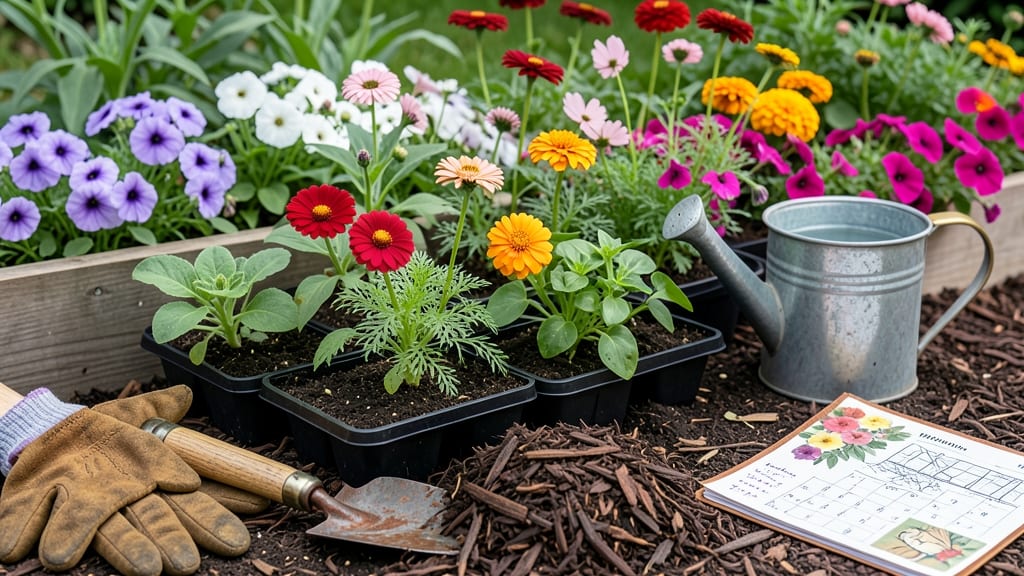
To plant flowers in St. Louis, aim for early spring or fall when soil temperatures hit 60°F—typically after April 15 and before October 20.
St. Louis gardeners know timing is everything—plant too early, and your flowers wilt in the heat; too late, and they’ll struggle to bloom before winter. Mastering the perfect schedule ensures vibrant, long-lasting blooms that thrive in the city’s unique climate.
Spring planting kicks off in March or April, when the last frost has passed and the soil warms up. Fall planting, on the other hand, happens in September or October, giving flowers time to establish roots before winter sets in.
Below, I’ll break down the exact dates, heat-tolerant varieties that thrive here, and common mistakes to avoid—so your garden stays blooming all season.
St. louis flower planting calendar: exact dates by season
St. Louis’s USDA Zone 6a climate means timing is critical—plant too early, and heat will stress seedlings; too late, and blooms arrive after frost. The average last frost date is April 15, while the first frost typically hits October 20.
Urban areas like downtown may experience 2-3°F warmer microclimates than suburbs, so adjust planting windows accordingly.
For annuals and tender perennials, focus on early spring (March-April) and early fall (September-October) planting. Heat-tolerant varieties like Lantana and Zinnias can handle direct summer planting, but soil temperatures above 70°F may require extra mulching to retain moisture.
Here’s how to align your planting with St. Louis’s seasonal rhythms, including soil temperature thresholds and microclimate adjustments for urban vs. suburban gardens:
| Season | Planting Window | Soil Temp Threshold | Best for Annuals | Best for Perennials | Urban Adjustments |
|---|---|---|---|---|---|
| Early Spring | March 15–April 15 | 50–60°F | Pansies, Snapdragons, Sweet Alyssum | Peonies, Coneflowers (after last frost) | Wait 1–2 weeks longer in paved areas (cooler soil) |
| Late Spring | April 16–May 15 | 60–70°F | Marigolds, Petunias, Zinnias | Black-Eyed Susans, Daylilies | Use shade cloth for container gardens |
| Summer | June–July (direct sow) | 70–80°F | Lantana, Sunflowers, Cosmos | Heat-tolerant perennials (e.g., Russian Sage) | Mulch 2–3 inches deep to retain moisture |
| Early Fall | September 1–October 15 | 60–70°F | Calendulas, Stock, Aster | Asters, Sedum, Goldenrod | Extend season with row covers in late Oct |
| Late Fall | October 16–November 15 | Below 50°F | Avoid (frost risk) | Bulbs (Tulips, Daffodils) | Plant bulbs 6 weeks before frost |
St. Louis’s urban heat island effect can push soil temperatures 5–10°F higher in downtown areas compared to suburbs. Test soil with a soil thermometer—if temperatures exceed 80°F, delay planting until late spring or use shade fabric for seedlings.
For container gardens, adjust timing by 2–3 weeks earlier in spring and 1–2 weeks later in fall, as pots warm up faster. Always harden off seedlings for 7–10 days before transplanting to avoid shock from St. Louis’s variable spring winds.
Native Black-Eyed Susans and Butterfly Weed thrive with minimal intervention once established, while annuals like Zinnias benefit from bi-weekly deadheading to extend blooms through October. Prioritize well-draining soil—St. Louis’s clay-heavy soil can suffocate roots if not amended with compost or sand.
Pro tip: Mark your calendar for September 15, the ideal start date for fall-blooming perennials. This gives roots time to establish before winter while avoiding early frost risks. Pair with mulching to insulate soil and retain moisture during St. Louis’s dry autumns.
Remember, microclimates matter—a north-facing suburban yard may stay cooler longer than a south-facing urban rooftop garden. Observe your space for 3–5 years to refine your planting schedule, and always plant perennials in clusters for better resilience against St. Louis’s unpredictable weather shifts.
🌱
Best heat-tolerant flowers for St. louis gardens
St. Louis summers bring 90°F+ temperatures and low humidity, making heat tolerance a must for vibrant gardens. The right flowers not only survive but thrive, offering season-long color with minimal fuss.
My top picks focus on drought resistance and adaptability to the city's USDA Zone 6a climate, ensuring your garden stays lush even during heatwaves.
Annuals like Lantana and Zinnias are my go-to choices—they bloom nonstop from June to frost with almost no care. Perennials such as Black-Eyed Susan and Coneflower return year after year, outcompeting weeds while attracting pollinators.
These plants all share one key trait: they love full sun (6+ hours daily) and hate soggy soil, which is critical in St. Louis' heavy clay.
📌 Planting Tip: For maximum heat tolerance, always plant after May 1 (when soil temps hit 65°F+) and use mulch to retain moisture. I recommend 2-3 inches of shredded bark around the base—it keeps roots cool while suppressing weeds.
| Flower | Sun Needs | Drought Tolerance | Bloom Time | Care Level |
|---|---|---|---|---|
| Lantana | Full Sun | Very High | June-October | Easy |
| Zinnias | Full Sun | High | July-Frost | Easy |
| Black-Eyed Susan | Full Sun | Very High | July-September | Very Easy |
| Coneflower | Full Sun | High | July-October | Very Easy |
| Salvia | Full Sun | Very High | June-September | Easy |
My #1 recommendation for low-maintenance color is Lantana. This shrub-like annual produces clusters of tiny flowers in colors like yellow, orange, and pink. It self-cleans (dead blooms drop automatically) and attracts butterflies.
I plant mine in full sun containers on my patio—it thrives even when I forget to water for a week!
For long-lasting perennials, Coneflower is unbeatable. Its daisy-like blooms feed hummingbirds and bees, and the brown seed heads add winter interest. I shear back dead stems in early spring to encourage new growth. Pair it with Black-Eyed Susan for a golden-yellow explosion that brightens shady corners.
Watering these heat-tolerant stars is simple: deep soaks once a week (more in 90°F+ heat). I use drip irrigation set to early morning to avoid fungal issues. Deadhead spent blooms on Zinnias and Salvia to extend flowering—this trick adds 4-6 extra weeks of color to your garden.
Pro tip: Mix these heat lovers with native grasses like Little Bluestem for a textured, drought-proof landscape. My front yard border combines Lantana, Salvia, and ornamental grass—it requires zero summer watering and looks stunning year-round. 🌻