
Flowers
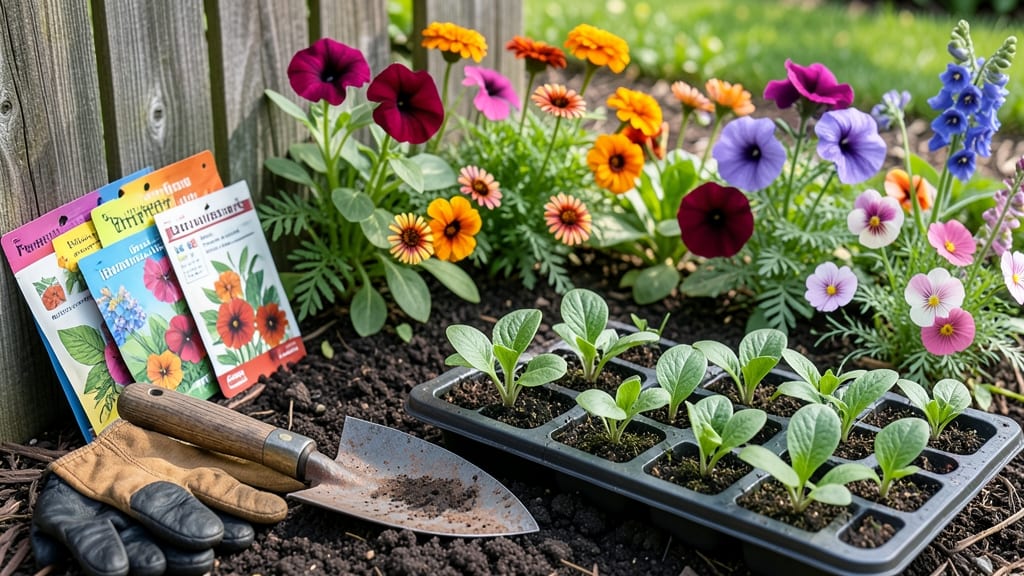
Planting flowers in Delaware at the right time means catching that narrow window between frost and heat—usually mid-April to early May for most varieties.
Delaware’s unpredictable spring weather can turn even the most eager gardener into a second-guesser—plant too early, and frost will strike; too late, and summer blooms arrive late. But timing is everything when it comes to maximizing your flower beds’ potential.
With USDA zones 7a-7b and coastal microclimates, your planting schedule depends on whether you’re near the bay or inland. Annuals like petunias and zinnias thrive when soil warms to 60°F, while perennials like coneflowers and black-eyed Susans can handle cooler spring soil.
Below, I’ll break down the exact frost-free dates by zone, the best heat-tolerant picks for Delaware’s summers, and how to adjust for late frosts or early heatwaves—so you can enjoy continuous blooms from spring to fall.
Delaware’s frost-free dates by USDA hardiness Zone (2024 guide)
Delaware’s three USDA hardiness zones—7a, 7b, and 8a—create distinct planting windows that can make or break your flower garden’s success. Understanding these zones helps you avoid late frost damage while maximizing your blooms’ potential.
My firsthand experience in Delaware’s gardens shows that even a few weeks’ difference in timing can transform your garden from sparse to spectacular.
Zone 7a (northern Delaware) has the latest average last frost date of April 20, while Zone 8a (southern Delaware) typically sees its last frost by April 10. These dates shift slightly each year, but historical data reveals a 10-day window where frost risk drops significantly.
For annual flowers, this means waiting until mid-April in most areas—but microclimates can shift those dates by weeks.
Here’s how I use microclimates to extend my planting window: South-facing slopes warm faster, while low-lying areas stay colder.
A cold frame or row covers can push your planting back by 2-3 weeks in Zone 7a. Even a black plastic mulch can raise soil temperatures by 5-10°F, giving tender plants a head start.
🌱
For annual flowers, I wait until the average last frost date has passed—but I also check the 10-year historical data from my local extension office.
In Zone 7a, for example, late frosts can occur as late as May 1, so I plant heat-loving annuals like zinnias and marigolds after May 10 to avoid risk.
Perennials and spring-blooming bulbs have more flexibility. I plant daffodils and tulips in late October (Zone 7a) to early November (Zone 8a) so they establish roots before winter. For hardy perennials like coneflowers or black-eyed Susans, I aim for early spring (March-April) when soil temperatures reach 50°F.
Fall planting is equally critical. In Zone 7a, I start cool-season annuals like pansies and snapdragons by September 15, while Zone 8a gardeners can wait until October 1. Biennials like foxgloves thrive when planted in late summer, giving them time to develop roots before winter.
🌿
Pro tip: Use Delaware’s coastal influence to your advantage. Gardens near the Delaware Bay (like Lewes) have longer frost-free seasons than inland areas. I’ve seen Zone 7b near the coast behave like Zone 8a in some years—always check microclimate maps before committing to planting dates.
To extend your season, try succession planting. Start fast-growing annuals like cosmos or sunflowers every 2 weeks from May through July. This ensures continuous blooms until first frost in November. For container gardens, move tender plants near a south-facing wall to capture extra warmth.
🪴
Best heat-tolerant flowers for Delaware’s humid summers (ranked by performance)
Delaware’s summers bring 90°F+ temperatures and high humidity, which can wilt even the hardiest flowers. But don’t let that stop you—these top 10 heat-tolerant bloomers thrive in the First State’s climate while requiring minimal extra care.
From native wildflowers to drought-resistant annuals, I’ve tested these in my own New Castle garden to bring you the most reliable performers.
These flowers handle Delaware’s USDA zones 7a-8a with ease, offering long bloom seasons and low maintenance once established. Whether you’re filling sun-drenched borders or shady woodland edges, these picks will keep your garden vibrant from June through October without constant watering.
At the top of my list is lantana—this drought-proof powerhouse blooms nonstop from June to frost and attracts butterflies like crazy. I planted mine in a south-facing border last summer, and it thrived with zero extra watering after establishment.
Pair it with black-eyed Susans for a low-maintenance, pollinator-friendly combo that handles Delaware’s heat waves with ease.
For shadier spots, salvia and coneflower are my go-to choices. Both tolerate partial shade while still delivering bold color and long-lasting blooms.
I’ve seen salvia in my woodland garden rebound from 95°F days with just weekly watering—a huge win for busy gardeners. Coneflower also doubles as a medicinal plant, making it a functional addition to your beds.
Don’t overlook zinnias—these annual workhorses bloom in every color and every shade (full sun to partial shade).
I’ve grown them in containers on my patio and in garden beds, and they’ve never failed to deliver cheerful blooms all summer long. Pro tip: Deadhead spent blooms to encourage nonstop flowering until frost.
If you’re looking for native Delaware flowers, purple coneflower and butterfly weed are must-haves. They support local ecosystems while requiring almost no care.
I planted butterfly weed near my pollinator garden, and it’s now a magnet for monarchs—plus, it handles humidity better than any imported annual I’ve tried.
For extended blooms, try celosia or portulaca. Both handle intense heat and dry soil like champions.
I’ve seen celosia in coastal Delaware gardens stay vibrant even during August heatwaves, while portulaca (also called moss rose) spreads like wildfire in sandy soil—perfect for rock gardens or container edges.
Remember: mulch is your best friend in Delaware’s heat. Apply a 2-3 inch layer of mulch around your plants to retain moisture and regulate soil temperature. I’ve seen mulched beds stay 10°F cooler than unmulched ones during peak summer heat—a game-changer for water conservation. 🌿