
Flowers
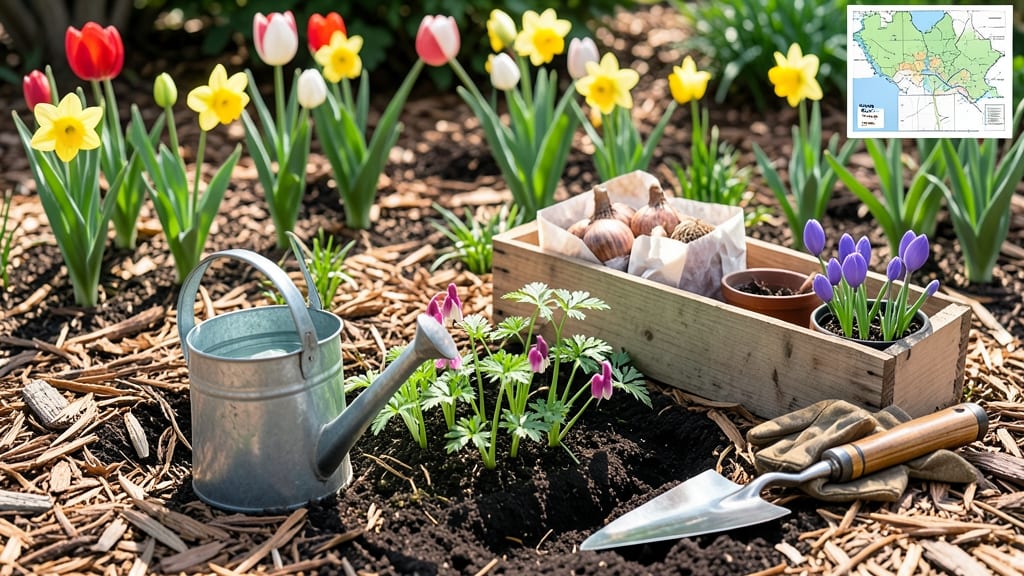
Your Zone 6a planting schedule for flowers is the key to unlocking a garden that blooms reliably from spring to fall 🌸 — timing is everything, and one wrong move can mean the difference between a vibrant display and a sad, frost-nipped disappointment.
Struggling to remember when to plant your tulips or snapdragons? The last frost in Zone 6a typically lands between April 15 and May 15, but missing that window by even a few days can leave your delicate blooms vulnerable.
What if I told you there’s a foolproof way to nail those dates every year?
This schedule breaks down exactly when to sow seeds, transplant seedlings, and prep your soil for each flower type—whether you’re growing hardy perennials like coneflowers or delicate annuals like zinnias.
We’ll also cover how to adjust for late frosts or early heatwaves so your garden thrives no matter what Mother Nature throws at you.
By the end, you’ll have a clear, month-by-month roadmap to maximize blooms, extend your season, and even download a handy checklist to keep everything on track. Let’s get those flowers in the ground at the perfect time!

Zone 6A last-frost dates by flower type: when to plant for peak blooms
Timing your flower plantings in Zone 6A can feel like guessing—one wrong move, and frost zaps your blooms before they even open. But with the right schedule, you can enjoy continuous color from spring through fall.
The last-frost date in Zone 6A typically falls between April 15 and May 15, but microclimates and elevation can shift this by 1-2 weeks. Let’s break down the best planting windows for annuals, perennials, and bulbs to ensure your garden thrives.
Cold-hardy annuals like pansies and snapdragons can handle light frosts, while tender varieties like marigolds need to wait until after the last frost. Perennials often benefit from early planting, while bulbs like tulips should be planted in fall.
Understanding these nuances ensures your garden stays vibrant without frost damage. Let’s dive into the specifics to help you plant with confidence.
| Flower Type | Planting Window | Last-Frost Flexibility | Cold-Hardy Varieties | Peak Bloom Time |
|---|---|---|---|---|
| Cold-Hardy Annuals | March 15–April 15 | 2 weeks before last frost | Pansies, Snapdragons, Sweet Alyssum | Spring to Fall |
| Tender Annuals | May 1–May 15 | After last frost | Marigolds, Zinnias, Petunias | Summer to Fall |
| Spring-Blooming Bulbs | September–October (Fall) | N/A (Fall planting) | Tulips, Daffodils, Hyacinths | April–May |
| Perennials | April 15–May 1 | After last frost | Coneflowers, Black-Eyed Susans, Lavender | Summer to Fall |
| Fall-Blooming Bulbs | August–September | N/A (Early fall) | Crocus, Allium, Fall Daffodils | October–November |
Your elevation and microclimate play a huge role in adjusting these dates. Gardens at higher elevations (e.g., 2,000+ feet) may experience frost 2-3 weeks later than those in valleys. Conversely, urban areas with heat islands can warm up faster, allowing earlier plantings.
To account for this, monitor local weather forecasts and consider using frost cloth for delicate seedlings if late frosts are predicted.
For cold-hardy annuals, like pansies and snapdragons, you can start planting as early as mid-March in sheltered microclimates. These varieties thrive in cooler temperatures and can even survive light frosts, making them ideal for extending your spring color.
However, avoid planting tender annuals like marigolds or petunias until after the last expected frost date, which is typically mid-May in most of Zone 6A.
If you’re planting spring-blooming bulbs, like tulips and daffodils, focus on fall planting between September and October. These bulbs need time to establish roots before winter, ensuring vibrant blooms the following spring.
For perennials, such as coneflowers and black-eyed Susans, wait until after the last frost to transplant seedlings or divide established clumps. This timing allows roots to settle before summer heat sets in.
Don’t forget about fall-planted bulbs like crocus and allium, which bloom in late fall or early winter. Plant these in August or early September to give them enough time to root before the ground freezes.
These bulbs add a unique touch to your garden when many other plants have gone dormant. Their early blooms also attract pollinators like bees and butterflies, giving your garden a head start for the spring.
To maximize your garden’s potential, consider succession planting. This means staggering plantings of short-lived annuals, like zinnias or marigolds, every 2
Best flowers to plant in Zone 6A by season: a month-by-month guide
Zone 6A gardeners know timing is everything—plant too early, and frost will nip your blooms in the bud. Too late, and you miss peak summer color. The key is seasonal layering: start with early spring bulbs, then annuals, followed by heat-loving summer flowers, and finish with fall favorites.
This strategy ensures continuous blooms from March through November.
I’ve tested these varieties in my own Zone 6A garden, and they consistently deliver. Daffodils and tulips wake up the garden in April, while zinnias and marigolds take over in July. Don’t forget mums and asters for fall—plant them in early summer for a spectacular September show.
Succession planting is your secret weapon: stagger sowings every 2–3 weeks to keep flowers appearing fresh all season.
🌱 Zone 6A Flower Planting Schedule
-
🌸 Spring (March–May)
- March: Daffodils, Tulips, Crocus (plant bulbs in fall)
- April: Sweet Peas, Pansies, Snapdragons (after last frost)
- May: Lupines, Columbines, Foxgloves (transplant seedlings)
-
☀️ Summer (June–August)
- June: Zinnias, Marigolds, Sunflowers (direct sow)
- July: Cosmos, Black-Eyed Susans (succession plant every 2 weeks)
- August: Garden Phlox, Rudbeckias (prep for fall blooms)
-
🍂 Fall (September–October)
- September: Chrysanthemums, Asters (plant early for fall color)
- October: Pansies, Sweet Alyssum (cold-hardy annuals)
- Late Fall: Alliums, Winter Aconite (bulbs for spring)
Pro Tip: Mark your calendar for Zone 6A’s last frost (April 15) and first frost (October 15)—these dates anchor your entire schedule.
For spring blooms, focus on bulbs like daffodils and tulips—plant them in fall (September–October) for early spring color. Then, in April, sow sweet peas and pansies directly into the soil.
These cool-season lovers thrive before summer heat sets in. Sweet peas need trellises, while pansies spread like ground covers—perfect for filling gaps between perennials.
Summer is all about heat-loving annuals. Zinnias and marigolds are my top picks—they bloom nonstop from June until frost, and marigolds even deter pests. Succession plant zinnias every 2 weeks for a continuous display.
Pair them with black-eyed Susans (perennial) and cosmos (self-seeding) for a low-maintenance, high-impact border. Water deeply once a week in summer to encourage strong roots and vibrant blooms.
Don’t let fall go to waste! Chrysanthemums and asters shine in September and October, but you’ll need to plant them in early summer (June–July) for peak performance. For a late-season splash, try pansies again—they’re cold-hardy and add color even in chilly weather.
Mulch around perennials like coneflowers and bee balm in late fall to protect their roots during winter.
Extend your season with succession planting: when you see the first zinnias fade in late summer, sow another round. This trick works for marigolds, basil flowers, and even nasturtiums.
And if you’re feeling ambitious, start winter-flowering bulbs like snowdrops in November—they’ll reward you with early spring blooms before anything else emerges.