
Flowers
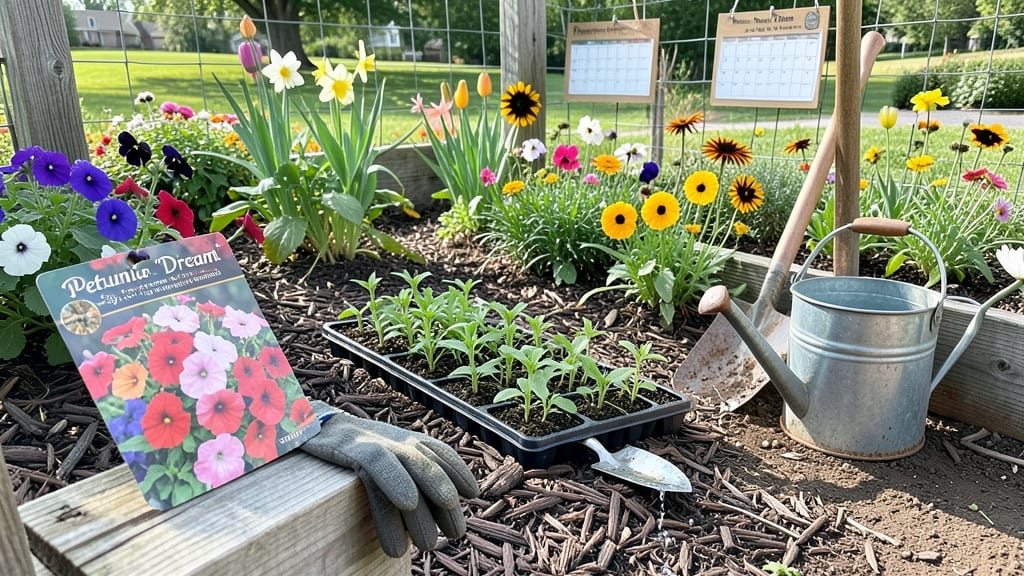
Planting flowers in Pennsylvania at the right time ensures vibrant blooms all season long 🌸 — aim for after the last frost in spring or 6-8 weeks before the first frost in fall.
Miss that window, and you risk frost damage or stunted growth, especially in Zone 5b where cold snaps linger later. The good news? Pennsylvania’s varied climate lets you plant annuals, perennials, and bulbs in both spring and fall.
From early March in Zone 7a to late May in Zone 5b, timing depends on your region’s frost dates and the flower types you choose. Native varieties like black-eyed Susans and coneflowers thrive with minimal fuss, while tender annuals need extra care.
Below, I break down the exact planting schedule by zone, frost dates, and the best flowers for each season—plus tips to extend your garden’s life from spring to fall.
Pennsylvania flower planting calendar by USDA Zone (5-7)
Pennsylvania’s USDA Zones 5-7 create unique planting challenges, with last frost dates ranging from mid-April in Zone 7 to late May in Zone 5. Understanding these variations helps you avoid frost damage while maximizing bloom times.
Whether you're in Philadelphia's Zone 7a or Erie's Zone 5b, precise timing ensures your garden thrives.
For annual flowers, the sweet spot is after the last frost, typically mid-April to early May in most regions. Perennials and bulbs, however, often need early starts—some can even handle fall planting for spring blooms.
Let’s break down the best months for each zone, plus regional adjustments for Pittsburgh vs. Philadelphia.
| Zone/Region | Last Frost | First Frost | Spring Planting Window | Fall Planting Window |
|---|---|---|---|---|
| Zone 5b (Erie, State College) | May 1-15 | October 1-15 | May 15-June 15 | August 15-September 15 |
| Zone 6a (Pittsburgh, Harrisburg) | April 15-May 1 | October 15-30 | April 30-May 31 | August 1-September 10 |
| Zone 7a (Philadelphia, Reading) | April 1-May 15 | November 1-15 | April 15-June 1 | August 15-October 1 |
In Zone 5b, where winters are colder, hardy perennials like coneflowers and black-eyed Susans can be planted as early as late April, but tender annuals like marigolds should wait until after May 15. Use row covers for early starts to protect against unexpected frosts.
For Zone 6a, including Pittsburgh, spring planting begins in late April, but tender bulbs like dahlias need to wait until mid-May. Fall planting here extends to early October, giving you time to establish fall-blooming perennials like asters and chrysanthemums.
Philadelphia’s Zone 7a offers the longest growing season, with spring planting starting as early as mid-April. This zone is ideal for heat-loving annuals like petunias and geraniums, which can be planted up to mid-June for summer blooms. Fall planting here can even stretch into early November for cold-hardy varieties.
Regional microclimates matter! Urban areas like Philadelphia often experience heat islands, delaying first frosts by 1-2 weeks compared to rural Zone 5b areas. Use local frost date guides from Penn State Extension to fine-tune your schedule.
Don’t overlook bulb planting! Spring-blooming bulbs like tulips and daffodils should be planted in fall (October-November), while summer-blooming bulbs like dahlias go in spring (after last frost). In Zone 5b, mulch bulbs heavily to protect them from freeze-thaw cycles.
For container gardening, adjust timing by 2-4 weeks earlier since pots warm up faster. Annuals in containers can even be started indoors in March for Zone 6a-7a, giving you a 6-week head start on the season. Just be ready to harden off plants before outdoor planting.
Pro tip: Use frost cloth to extend your spring planting window by 2-3 weeks in cooler zones. This lets you plant tender annuals like impatiens and begonias earlier, ensuring longer bloom times before summer heat sets in.
Best flowers to plant in Pennsylvania by season (with frost tolerance guide)
Pennsylvania’s spring and fall planting seasons offer the perfect windows for vibrant blooms, but choosing the right flowers for each season—and their frost tolerance—is key. In Zone 5b, cold snaps can linger until late May, while Zone 7a enjoys earlier starts.
I’ve curated a list of top-performing flowers that thrive in PA’s climate, from hardy perennials to heat-loving annuals, with frost sensitivity ratings to guide your choices.
For spring planting (March–May), prioritize cold-hardy varieties like tulips and daffodils, which can handle light frosts. In summer (June–August), focus on heat-tolerant annuals such as marigolds and zinnias.
Fall planting (August–September) rewards you with late-season blooms like chrysanthemums and pansies, while winter interest comes from evergreens and ornamental grasses.
Below, I’ve organized the best flowers by season, including their frost tolerance and ideal planting times. Use this guide to create a garden that blooms from early spring to late fall, even in PA’s unpredictable climate.
When to Plant Flowers in Pennsylvania
✅ Pros of Spring Planting
- ✔️ Longer growing season for annuals and perennials
- ✔️ Cooler soil temps reduce shock for transplants
- ✔️ Ideal for bulbs like tulips and daffodils
❌ Cons of Spring Planting
- ✖️ Risk of late frosts in Zone 5b
- ✖️ Slower germination in cool soil
- ✖️ Requires row covers for tender varieties
✅ Pros of Fall Planting
- ✔️ Perennials establish roots before winter
- ✔️ Fewer pests and diseases in cooler weather
- ✔️ Early blooms next spring from fall-planted bulbs
❌ Cons of Fall Planting
- ✖️ Limited time before first frost (mid-October)
- ✖️ Some annuals won’t survive winter
- ✖️ Requires mulch for protection
Best Time to Plant in PA:
Spring: After last frost (late April–May) | Fall: 6–8 weeks before first frost (August–September)
For spring planting, start with cold-hardy perennials like coneflowers and black-eyed Susans, which tolerate light frosts (28°F). In Zone 7a, you can plant tender annuals like petunias and impatiens as early as March, but protect them with row covers if frost threatens.
In Zone 5b, wait until mid-May for these varieties to avoid damage.
Summer brings heat-loving annuals such as marigolds and zinnias, which thrive in full sun and well-draining soil. These flowers handle Zone 7a’s summer heat (up to 90°F) with ease, while shade-tolerant varieties like coleus and begonias perform well in partial shade.
For fall planting, focus on pansies and chrysanthemums, which bloom until first frost and tolerate light frosts (30°F).
Winter interest comes from evergreen shrubs like boxwood and holly, which provide structure and color even in Zone 5b’s coldest months. Pair them with ornamental grasses like maiden grass for texture.
To extend your garden’s life, choose late-blooming perennials such as sedum and Russian sage, which thrive until October’s first frost