
Companion Plants
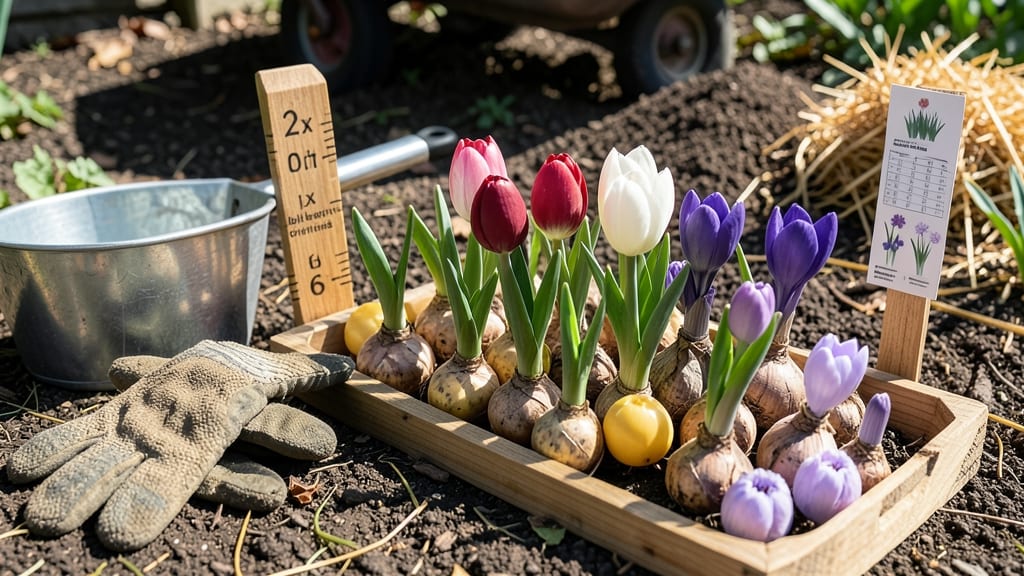
Planting flower bulbs in the spring 🌷 is all about timing—wait too long, and you’ll miss the perfect blooms you’ve been dreaming of.
Picture this: you’ve picked out the most vibrant tulips or daffodils, only to realize they’re already sprouting in the store by mid-April. That’s the moment you wish you’d planted them earlier—or later, depending on your zone.
The key is knowing when the ground is warm enough but before the heat sets in, a balance that shifts dramatically across the country.
In Zone 6a, like much of the Midwest, the window is tight—typically between early March and mid-April, once soil temperatures hit 50°F.
But in warmer zones like 8 or 9, you might still have time to plant into late April or even May, while cooler zones like 3 or 4 need to get them in by March or risk frost damage.
Below, I’ll break down the exact timing for your region, plus the 3 steps to prep your soil and bulbs for success—so you can enjoy those bold blooms without the guesswork.
USDA Zone planting timeline for spring flower bulbs
Spring flower bulbs like tulips, daffodils, and hyacinths need precise timing to thrive. Planting too early risks frost damage, while late planting delays blooms. Your USDA zone and local frost dates dictate the perfect window—typically 6-8 weeks before the last expected frost in spring.
For example, in Zone 3, bulbs often go in by early April, while Zone 10 gardeners may plant as late as February.
Regional variations matter too. The Pacific Northwest’s mild winters may allow late spring planting, while the Deep South’s early springs call for earlier action. Always check your last frost date—this is your planting deadline.
For instance, tulips in Zone 5 should be planted by mid-April, but in Zone 7, you might have until early May.
Most gardeners focus on fall planting for spring blooms, but some bulbs—like crocuses and snowdrops—can handle late spring planting. These hardy types tolerate cooler soils, making them ideal for Zone 4-6 gardeners who miss the fall window.
Always prioritize soil temperature over calendar dates: aim for 40-50°F soil when planting.
Here’s a quick guide to avoid common mistakes: Don’t plant when soil is frozen—use your finger to test. If it’s hard to push in, wait.
Also, avoid planting in soggy soil, which can rot bulbs. Instead, opt for well-draining spots, especially in Zone 8-10, where winter rains are common.
🌷 Comparison Table: Spring Flower Bulb Planting by USDA Zone
In Zone 3-4, focus on hardy bulbs like daffodils, which tolerate colder soils. Plant them by early May to ensure roots establish before summer heat sets in. Tulips, however, prefer slightly warmer soil—wait until late April in these zones.
Always amend soil with compost to improve drainage, especially in clay-heavy areas.
For Zone 5-6, timing shifts slightly. Hyacinths and grape hyacinths thrive when planted in early April, while alliums can handle late April plantings. These zones often experience late spring frosts, so monitor weather forecasts.
If a frost warning appears, cover newly planted bulbs with straw mulch to protect tender shoots.
Southern gardeners in Zone 7-10 have the earliest windows. Plant rain lilies and gladiolus in January to February, taking advantage of mild winters. These bulbs appreciate well-draining soil and benefit from a light mulch layer to retain moisture.
In Zone 10, where winters are nearly frost-free, plant bulbs as soon as soil is workable—often by December.
Pro tip: Use a soil thermometer to confirm readiness. Most spring bulbs need soil temps between 40-60°F. If your soil is cooler, wait a week or two. Also, plant deeper in sandy soils (3x bulb height) and shallower in clay (2x bulb height) to prevent rot or drought stress.
Finally, water thoroughly after planting to settle soil around bulbs. In drought-prone zones like Zone 8-10, add 2-3 inches of mulch to lock in moisture. Avoid overwatering—bulbs rot in soggy soil. With the right timing
How to adjust planting time based on your local microclimate
Your USDA zone gives you a starting point, but local microclimates can shift planting times by 2-4 weeks. Factors like elevation, urban heat islands, and soil temperature create pockets where frost arrives earlier or later than expected.
For example, a backyard in Zone 6 might experience earlier frosts if it’s nestled in a valley, while a city rooftop garden could stay frost-free weeks longer.
Even in the same zone, soil temperature can vary dramatically. A north-facing slope stays cooler longer, delaying planting for tender bulbs like tulips or hyacinths. Meanwhile, a south-facing bed warms up faster, allowing you to plant daffodils or alliums 2 weeks earlier.
Ignoring these microclimates risks planting too early (bulbs rot) or too late (missed blooms).
🚨 WARNING: Planting Too Late?
- Frost damage: Bulbs planted after the first frost may not survive winter.
- Weak blooms: Short daylight reduces flower size/quantity.
- Pest vulnerability: Soft soil invites rodents and fungus.
To test soil readiness, use a DIY soil thermometer: Bury a thermometer 6 inches deep for 24 hours. If it reads below 40°F (4°C), wait 1-2 weeks.
For urban gardens, pavement and buildings trap heat—plant 1-2 weeks earlier than rural areas. Conversely, wooded areas stay cooler; delay planting by 10-14 days.
Adjust for elevation, too: Every 1,000 feet (300m) gain drops temperatures by 3-5°F (1.5-3°C). High-altitude gardens (e.g., Denver, CO) may need to plant daffodils in September instead of October. Check local cooperative extension service data for frost-free dates—they account for these microclimates.
Pro tip: Group bulbs by hardiness. Plant tulips (Zone 3-8) and hyacinths (Zone 4-8) first in cooler microclimates, then add fritillaries (Zone 5-9) or rain lilies (Zone 7-11) to warmer pockets. This staggered approach ensures continuous blooms and minimizes risk.
Finally, observe your garden’s natural cues. When dandelions bloom reliably, it’s a sign daffodils can go in the ground. Or watch local trees: Buds swelling on maples signal tulips are ready.
Combine these clues with your soil thermometer readings for the perfect planting window—every microclimate has its own rhythm. 🌱