
Flowers
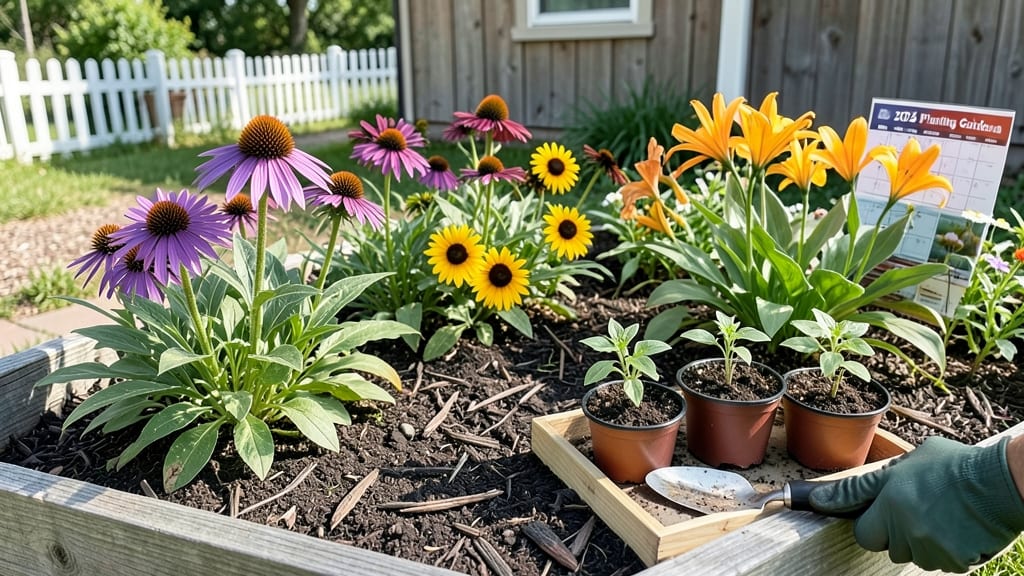
To plant flowers in Nebraska at the perfect time means starting after your last frost—usually mid-April for most of the state, but timing varies by your USDA Zone 5-6 location.
Nebraska’s unpredictable spring frosts and harsh winters can make flower gardening a gamble—unless you know the exact planting windows for your USDA Zone 5-6 location. One wrong move, and your 🌸 vibrant blooms turn into wilted dreams before they even begin.
Whether you’re sowing annuals like petunias or perennials like coneflowers, the key is matching your schedule to Nebraska’s 150-180 frost-free days. Plant too early, and a late freeze will set you back weeks. Too late, and summer heat arrives before your flowers even think about blooming.
Inside, I’ll break down the ideal planting months for your region, share soil prep secrets to give your flowers a head start, and reveal the one trick that extends your bloom season by up to two months—no matter how wild Nebraska’s weather gets.
Nebraska flower planting calendar by season: best months for annuals, perennials, and bulbs
Nebraska’s USDA Zones 5-6 bring unpredictable frost dates and short growing seasons, but with the right timing, you can enjoy continuous blooms from spring to frost. The key is understanding when to plant annuals, perennials, and bulbs based on soil temperatures, regional microclimates, and last-frost averages.
Western Nebraska (Zone 5a) typically has 2-3 weeks earlier frost dates than eastern Nebraska (Zone 6b), so adjust accordingly.
For most of Nebraska, the last spring frost occurs between April 15-30, while the first fall frost arrives October 1-15. These dates create a 150-180 day frost-free window—just enough time to grow vibrant annuals, establish perennials, and force bulbs for early spring color.
Missing these windows means struggling with stunted growth or winterkill, so let’s break it down by season.
🌱 PRO TIP: Always check your local Nebraska Extension office or Almanac frost dates for your specific county, as microclimates (like urban heat islands or windy plains) can shift frost dates by 1-2 weeks.
In western Nebraska (Zone 5a), shift all planting dates
How to adjust planting times for Nebraska’s microclimates and frost risks
Nebraska’s unpredictable frost patterns can turn your carefully planned garden into a sad, frost-nipped mess if you’re not prepared. Even in USDA Zones 5-6, late spring frosts—especially around Mother’s Day weekend—can catch gardeners off guard.
The key to success? Flexible planting strategies that account for microclimates, soil warmth, and frost risks.
Western Nebraska’s drier climate warms up faster than the eastern humid continental zone, while urban areas like Omaha often experience heat islands that delay frost. Even a 5-degree difference in soil temperature can mean the difference between thriving petunias and crispy marigolds.
Adjusting your planting timeline isn’t just about dates—it’s about reading your local microclimate.
Mother’s Day Weekend (May 10-12) is the #1 frost trap—even in Zone 6. Use these rules to stay safe:
- Wait until May 15 to plant tender annuals (e.g., impatiens, geraniums) unless you have row covers ready.
- Hardy perennials (like coneflowers) can go in by April 20, but mulch heavily.
- Check the Nebraska State Climate Office for 7-day frost forecasts before planting warm-season flowers.
Pro Tip: Plant cold-hardy annuals (e.g., pansies, snapdragons) in March-April for early color—they’ll bounce back from light frosts!
One of my favorite tricks for beating Nebraska’s frost risks is using raised beds. They warm up 2-3 weeks faster than in-ground soil because they absorb heat from all sides.
Fill them with compost-rich mix to insulate roots, and you can plant marigolds or zinnias by April 15—even in Zone 5a. Just be ready to drape a frost cloth if temps dip below 28°F.
For succession planting, stagger your sowings every 2 weeks from May through June. This ensures a continuous bloom instead of one big burst followed by dead stems.
For example, plant cosmos seeds on May 1, May 15, and June 1—you’ll enjoy flowers from July to October. Pair this with fall-blooming varieties like asters or chrysanthemums, which you can direct-sow in August for frost-free growth.
Don’t overlook cold-hardy varieties like Shasta daisies, black-eyed Susans, and Russian sage. These perennials thrive in Nebraska’s extremes and can handle light frosts once established. Plant them in early spring (April) or fall (September) for the best root establishment.
Pair them with annuals like snapdragons, which self-seed and resprout after frost.
Finally, create a frost-protection kit with these essentials: row covers, plastic milk jugs (as cloches), and a hose. On high-risk nights, drape covers over tender plants or place jugs over seedlings.
For watering as frost protection, give plants a deep soak the night before—the moisture releases heat as it freezes, shielding roots. With these adjustments, you’ll turn Nebraska’s unpredictable climate into a bloom-filled advantage.