
Flowers
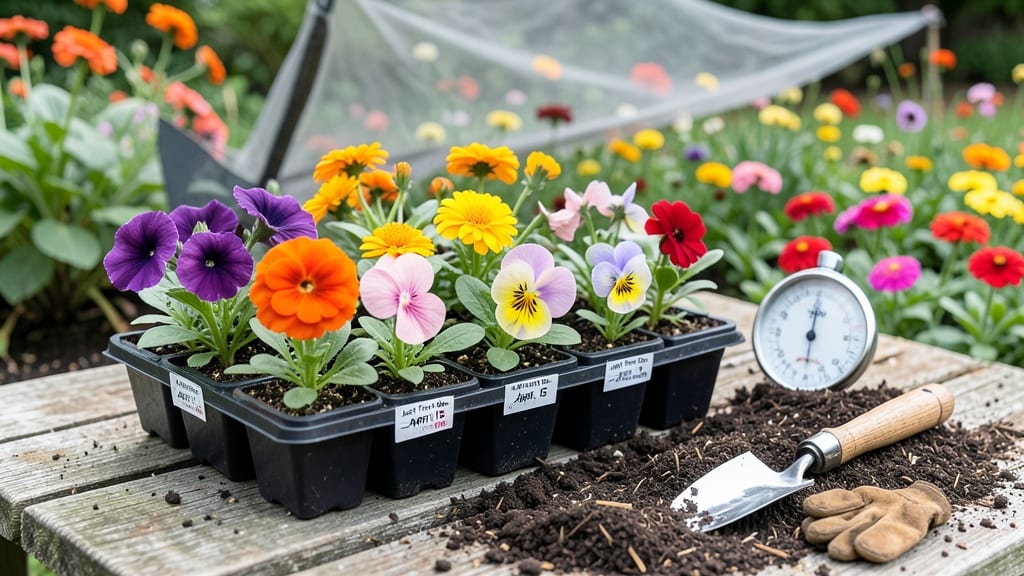
It’s safe to plant flowers in Ohio once the average last frost date has passed and soil temperatures hit 60°F—typically around mid-April in most of the state.
Ohio’s unpredictable spring weather can turn a gardener’s excitement into anxiety—will your flowers survive another late frost? Timing your plantings correctly in USDA Zones 5-6 is the key to vibrant blooms all season.
In northern Ohio, where frost lingers longer, wait until early May to be extra cautious. Meanwhile, southern regions like Cincinnati or Columbus can often start planting by late April. The trick is checking soil temps and using the 10-day rule for warm-season blooms.
Below, I’ll break down Ohio’s frost-free windows, the best flowers to plant early vs. late, and pro tips to extend your season without risking frost damage.
Ohio’s last frost dates by region: when to plant flowers safely
Ohio’s last frost dates vary dramatically from north to south, making it critical to know your local microclimate before planting. In USDA Zones 5-6, a late frost can devastate tender flowers like marigolds or zinnias if planted too early.
My go-to rule is to wait until 10 days after the average last frost date—this buffer protects delicate seedlings from surprise cold snaps.
Northern Ohio (e.g., Toledo, Cleveland) typically sees its final frost around May 15, while southern regions (e.g., Cincinnati, Columbus) warm up faster, often by April 20-25.
Urban areas like Columbus can experience 3-5°F warmer microclimates than rural zones just 20 miles away, thanks to the "heat island effect" from pavement and buildings.
Historical data shows that Ohio’s frost dates can shift ±10 days year to year. For example, in 2020, Cleveland recorded frost as late as May 28, while 2021 saw frost-free conditions by April 10 in Dayton. Always check local weather forecasts and use a frost calendar from your county extension office for precision.
For warm-season flowers like petunias or geraniums, I recommend waiting until soil temperatures hit 60°F—this usually aligns with the 10-day rule after the last frost. Cool-season bloomers such as pansies or snapdragons can handle light frosts (28°F) and can even be planted 6 weeks before the last frost date for early color.