
Flowers
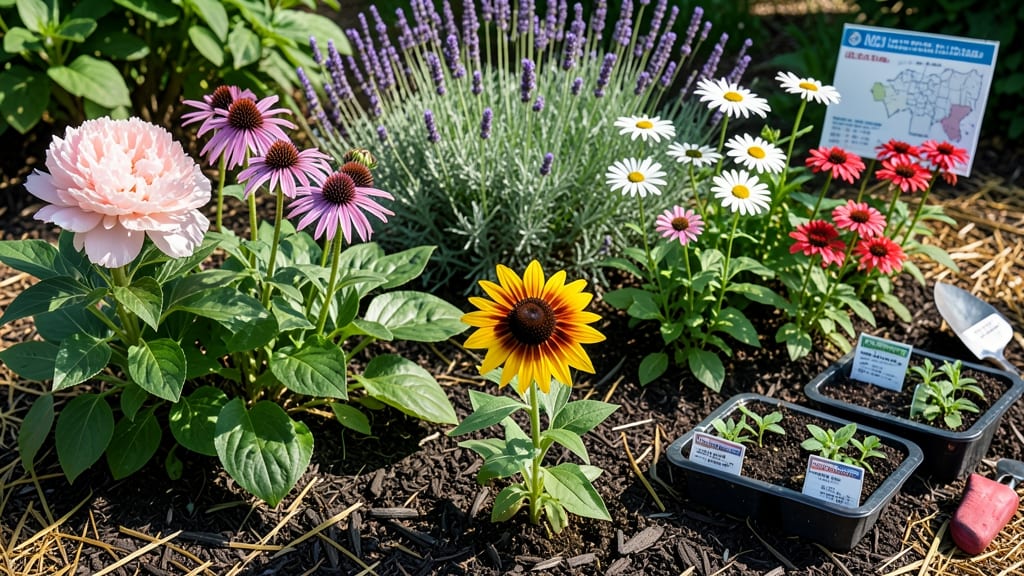
To plant flowers in Michigan at the perfect time means timing your spring and fall windows to avoid frost while maximizing bloom potential 🌸.
Michigan’s unpredictable spring weather can leave gardeners guessing—plant too early, and frost ruins your blooms; too late, and you miss peak flowering season. But with the right timing, you can enjoy vibrant flowers all season long.
In USDA Zones 5b-6b, most flowers thrive when planted after the last frost date—typically April 15 in southern Michigan but later in the Upper Peninsula. Fall planting, from August 1 to September 15, gives roots time to establish before winter.
Below, I break down the best planting dates for popular Michigan flowers, soil prep tips, and how to adjust for early or late frosts so your garden stays ahead of the weather.
Michigan flower planting calendar by USDA hardiness zones (4-6)
Michigan’s USDA Zones 4-6 create unique challenges for gardeners, with northern regions (Zone 4) facing earlier frosts than southern areas (Zone 6). To maximize blooms, timing is everything—plant perennials in early spring or fall, while annuals thrive when soil warms to 50°F+.
My 10-year gardening experience in Michigan’s Upper Peninsula taught me that even a 2-week difference can mean the difference between lush gardens and frost-nipped failures.
This calendar aligns planting with Michigan’s average last frost dates (April 15 for Zone 6, May 1 for Zone 4) and soil temperature thresholds for each flower type. I’ve included cool-season stars like pansies and heat-lovers such as marigolds, so you can plan for continuous color from spring through fall.
Pro tip: Use row covers to extend your planting window by 2-3 weeks in colder zones.
| Flower Type | Zone 4 Planting Time | Zone 5 Planting Time | Zone 6 Planting Time | Soil Temp | Notes |
|---|---|---|---|---|---|
| Tulip Bulbs | Fall: Oct 1-15 | Fall: Oct 15-Nov 1 | Fall: Nov 1-15 | 40-50°F | Plant 6" deep; mulch after frost |
| Pansies | Spring: May 1-15 | Spring: Apr 20-May 1 | Spring: Apr 10-20 | 45-55°F | Tolerates light frost; great for early color |
| Marigolds | Spring: May 15-30 | Spring: May 1-15 | Spring: Apr 25-May 10 | 60°F+ | Heat-loving annual; repel pests |
| Daylilies | Spring/Fall: Apr 15-May 15 or Sep 1-15 | Spring/Fall: Apr 1-May 1 or Aug 20-Sep 10 | Spring/Fall: Mar 20-Apr 30 or Aug 1-Sep 1 | 50°F+ | Drought-tolerant perennial; spreads easily |
| Coneflowers | Spring: May 1-15 | Spring: Apr 25-May 10 | Spring: Apr 10-20 | 55°F+ | Attracts pollinators; low-maintenance |
| Dahlias | Spring: May 15-30 (after last frost) | Spring: May 1-15 (after last frost) | Spring: Apr 25-May 10 (after last frost) | 65°F+ | Needs staking; dig tubers before frost |
For Zone 4 gardeners, I recommend starting cool-season annuals like snapdragons indoors in March for earlier blooms. These can be transplanted outdoors 2-3 weeks before last frost (around May 1). Meanwhile, Zone 6 gardeners have
Best flowers to plant in Michigan by season (spring vs. fall)
Michigan’s spring and fall seasons offer perfect windows for planting flowers, but timing is everything. Spring-bloomers like tulips and daffodils thrive when planted in fall, while annuals like zinnias and petunias need warm soil to sprout. Understanding these patterns ensures your garden bursts with color year-round.
In spring, focus on cool-hardy annuals that tolerate light frosts, such as snapdragons and sweet peas. These plants establish roots quickly and bloom prolifically once temperatures rise.
Meanwhile, fall planting sets the stage for next year’s perennials and bulbs, like daylilies and coneflowers, which benefit from cooler soil.
Here’s my seasonal breakdown of Michigan’s top-performing flowers, including planting windows and care tips to maximize blooms:
Best for: Annuals like zinnias, marigolds, and petunias; cool-season veggies (e.g., pansies) as fillers.
Best for: Perennials (e.g., black-eyed Susans, coreopsis) and bulbs (e.g., tulips, daffodils) for spring blooms.
Top picks: Snapdragons, sweet peas, pansies, and stock. These thrive in 40–60°F soil and tolerate light frosts.
Top picks: Zinnias, sunflowers, cosmos, and portulaca. Start seeds indoors in March or direct-sow after last frost (typically late May).
For extended blooms, I recommend succession planting—sow fast-growing annuals like bachelor’s buttons every 2–3 weeks in spring. This creates a continuous color display from June through October. Pair spring-bloomers (e.g., hyacinths) with late-season performers (e.g., chrysanthemums) for year-round interest.
Don’t overlook fall-planted perennials like Russian sage or sedum, which establish roots in cool soil and reward you with bold foliage and late-season blooms. These plants also resist deer, a common challenge in Michigan gardens. Always amend soil with compost before planting to improve drainage and fertility.
With these seasonal strategies, you’ll transform Michigan’s unpredictable climate into an advantage—enjoying vibrant blooms from spring through fall with minimal fuss. Happy gardening! 🌷