
Blooming
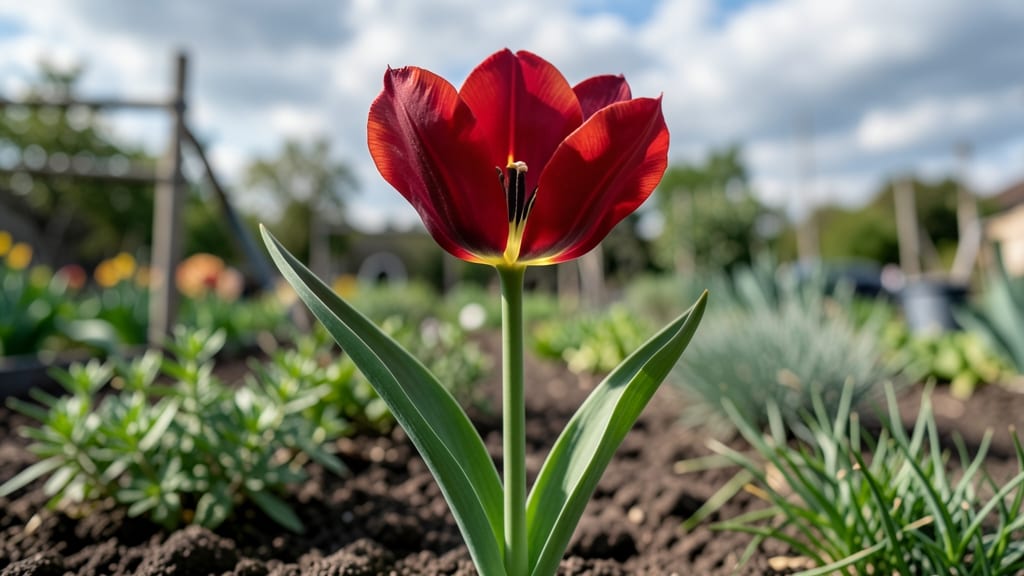
The tulip flower blooming season brings vibrant bursts of color that turn gardens into spring masterpieces 🌷 — but timing is everything to make the most of it.
Timing is everything when it comes to tulip blooms. Plant too early or late, and you’ll miss the spectacular explosion of color that defines spring gardens.
But with the right climate zone knowledge, you can predict tulip blooming season down to the week, ensuring your garden bursts with vibrant petals year after year.
In USDA Zone 6a, where many gardeners live, tulips typically bloom between April and May, but the exact timing depends on the variety and local weather. Early bloomers like 'Early Harbinger' may appear as soon as late March, while late varieties like 'Darwin Hybrid' might linger into June.
Below, I’ll break down the exact months tulips bloom in your region, how to extend their season with smart planting, and the common mistakes that cut bloom time short. Get ready to transform your garden into a long-lasting spring show!
Exact tulip blooming months by USDA climate Zone: a month-by-month guide
Tulips are nature’s springtime showstoppers, but their blooming windows vary dramatically depending on your USDA climate zone. In colder zones like Zone 3, tulips often bloom in early May, while warmer Zone 10 gardens may see flowers as early as February.
Understanding these month-by-month differences helps you choose the right varieties and plant at optimal times.
Most gardeners assume tulips bloom in a single burst, but savvy planners know early, mid, and late-season varieties can stretch your garden’s color from late winter through early summer.
For example, ‘Early Harbinger’ tulips in Zone 4 might appear in late April, while ‘Darwin Hybrid’ varieties could linger until June in Zone 7. Let’s break down the exact bloom windows by zone.
| USDA Zone | Early Bloomers | Mid-Season | Late Bloomers | Total Bloom Window |
|---|---|---|---|---|
| Zone 3 | Late May | Early June | Mid-June | 4-5 weeks |
| Zone 4 | Late April | Early May | Late May | 6-7 weeks |
| Zone 5 | Early April | Mid-April | Early May | 7-8 weeks |
| Zone 6 | Late March | Early April | Mid-April | 8-9 weeks |
| Zone 7 | Early March | Late March | Early May | 10-12 weeks |
| Zone 8 | February | Early March | Late April | 12-14 weeks |
| Zone 9 | January | February | Early April | 14-16 weeks |
| Zone 10 | December | January | March | 16-18 weeks |
In Zone 3, where winters are harsh, tulips wait until late May to bloom, giving you a 4-5 week window of color. Meanwhile, in Zone 10, tulips can start as early as December, creating a stunning 16-18 week display.
This variation means gardeners in warmer zones can enjoy tulips year-round with careful variety selection.
For gardeners in Zone 5, early bloomers like ‘White Dream’ tulips often appear in early April, while late varieties such as ‘Queen of Night’ may not peak until early May.
This 7-8 week spread ensures your garden stays vibrant longer. Pay attention to last frost dates—planting too early in colder zones can cause bulbs to rot before blooming.
How to extend your tulip blooming season with strategic planting
Want your garden to burst with tulip blooms for weeks instead of just a few days? The secret lies in strategic planting—choosing the right varieties, adjusting depth, and timing your plantings to create a staggered bloom schedule.
By following these simple techniques, you can transform a short-lived splash of color into a month-long tulip extravaganza that keeps your landscape vibrant from early to late spring.
Most gardeners make the mistake of planting all their tulip bulbs at once, only to watch them bloom in a single 2-3 week window. Instead, I’ve learned to plant bulbs in two or three separate batches, each with different bloom times.
This creates a sequential display that keeps your garden looking fresh and full. For example, early bloomers like 'Early Harbinger' can kick off the season in March, while late varieties like 'Darwin Hybrid' will shine in May.
- 1. Plant early varieties in September for March blooms.
- 2. Add mid-season types in October for April color.
- 3. Include late bloomers in November for May displays.
- 4. Adjust planting depth: deeper for longer stems, shallower for earlier blooms.
- 5. Mix heights—dwarf varieties first, tall types in back.
Another game-changer is planting depth. Most gardeners bury tulip bulbs 6-8 inches deep, but I’ve found that shallower planting (4-6 inches) encourages earlier blooming. This works because the bulbs experience slightly warmer soil temperatures, which triggers the flowering process sooner.
For example, if you plant 'Queen of Night' bulbs at 4 inches deep in one section and 6 inches in another, you’ll see the shallower ones bloom 1-2 weeks earlier than their deeper counterparts.
Don’t forget to choose complementary colors when selecting your varieties. Pairing early red bloomers like 'Apeldoorn' with late yellow types like 'Yellow Princess' creates a smooth color transition across the season.
I like to sketch a simple garden map before planting, marking where each variety will go based on its bloom time and height. This ensures a balanced, eye-catching display that evolves naturally over time.
Finally, fertilize at the right time to support long-lasting blooms. After the first frost but before shoots emerge, apply a balanced fertilizer (like 5-10-10) to give your bulbs the nutrients they need.
I’ve noticed that bulbs fertilized this way produce sturdier stems and longer-lasting flowers. Avoid over-fertilizing, though—too much nitrogen can lead to leafy growth at the expense of blooms.
With these strategic planting tips, you’ll enjoy tulip blooms for 6-8 weeks instead of just a few days. The key is planning ahead, mixing varieties, and paying attention to planting depth.
Trust me, your spring garden will thank you with a nonstop parade of color that keeps neighbors stopping to admire your work! 🌷