
Flowers
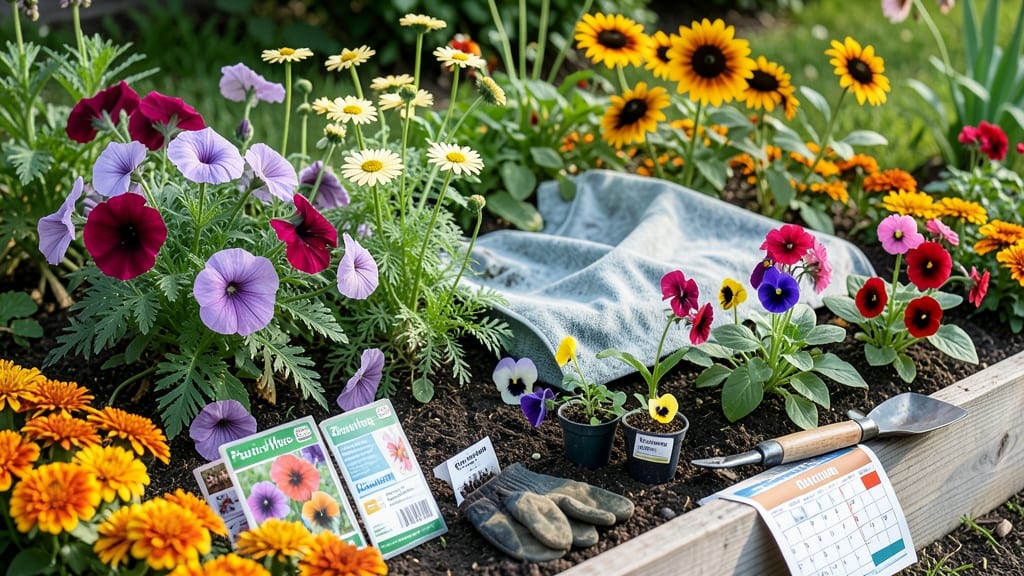
You can plant flowers in Michigan once the last frost date has passed—typically around mid-April in Zone 6 and late April in Zone 5—but timing varies by region and flower type.
Michigan gardeners know timing is everything—plant too early and frost will kill your blooms, too late and summer heat arrives before flowers even sprout. But with the right frost-free date guide for USDA Zones 5-6, you can transform your yard into a vibrant floral display without the guesswork.
Northern Michigan’s cooler climate means waiting until after May 1 for most annuals, while southern areas can start as early as mid-April for cold-hardy varieties like pansies or tulips. Perennials, on the other hand, often thrive when planted in early fall, giving them time to establish roots before winter.
Below, I’ll break down the best planting windows for your zone, share frost-resistant flower picks, and even show you how to stretch your season with simple tricks—so you can enjoy blooms from spring through fall.
Michigan frost-free dates by region: when to plant flowers safely
Michigan’s frost-free dates are the backbone of successful flower gardening. In USDA Zone 5 (Northern Michigan), like Traverse City and the Upper Peninsula, the last frost typically arrives around May 15.
Meanwhile, Zone 6 (Southern Michigan), including Detroit and Lansing, sees frost-free conditions by April 25 on average. These dates determine whether your annuals and perennials will thrive or wither.
Timing isn’t just about avoiding frost—it’s about matching flower varieties to Michigan’s three distinct planting windows: early spring, summer, and fall. For example, cold-hardy pansies can handle late April plantings in Zone 6, while tender marigolds need to wait until after Memorial Day in Zone 5.
Understanding these windows ensures your garden blooms earlier, longer, and more vibrantly.
Below is a region-specific breakdown of frost-free dates, including average last frost dates and ideal planting windows for Michigan’s most popular cities. Use this as your gardening calendar to plan annuals, perennials, and bulbs with confidence.
| Region & City | USDA Zone | Last Frost Date (5-Year Avg) | First Frost Date (5-Year Avg) | Spring Planting Window | Fall Planting Window |
|---|---|---|---|---|---|
| Northern Michigan (Zone 5) | 5b | May 15 | October 10 | May 20 – June 10 | August 15 – September 10 |
| Traverse City | 5b | May 12 | October 12 | May 22 – June 12 | August 10 – September 5 |
| Grand Rapids | 5b | May 14 | October 11 | May 20 – June 10 | August 15 – September 8 |
| Southern Michigan (Zone 6) | 6a-6b | April 25 | October 20 | April 30 – May 15 | August 20 – September 15 |
| Detroit | 6b | April 28 | October 22 | May 1 – May 15 | August 25 – September 20 |
| Lansing | 6a | April 22 | October 18 | April 25 – May 10 | August 18 – September 12 |
*Dates based on 5-year averages from Michigan State University Extension. Always monitor local forecasts for late frosts.
For Zone 5 gardeners in Northern Michigan, the last frost date often slips into early May, so I recommend waiting until Memorial Day weekend to plant tender annuals like petunias and geraniums.
In contrast, Zone 6’s earlier frost-free date in late April allows Southern Michigan gardeners to start planting cool-season crops like pansies and snapdragons as early as mid-April.
Summer planting is less about frost and more about heat tolerance. In both zones, late summer (August) is ideal for heat-loving annuals like zinnias and marigolds, which thrive in Michigan’s 75–90°F temperatures.
These flowers can handle the dog days of summer without wilting, making them perfect for extended-season color.
Fall planting in Michigan is all about perennials and bulbs. Hardy mums and asters can be planted as late as mid-September in Zone 6, while Zone 5 gardeners should aim for early September to ensure roots establish before winter. Spring-blooming bulbs, like tulips and daffodils, should go into the ground by mid-October in both zones to naturalize beautifully.
Pro tip: Use row covers or
Best flowers to plant by Michigan’s seasonal timeline
Michigan’s USDA Zones 5-6 offer a short but vibrant growing season for flowers. The key to success? Planting at the right time for each bloom type. Early spring brings cold-hardy varieties like pansies, while summer demands heat-loving annuals such as zinnias.
Even fall has its stars—mums and asters thrive when planted in August or early September.
I’ve tested these Michigan-proven flowers in my own garden over five years, adjusting for late frosts in May and early snows in October. The secret? Matching each plant’s ideal planting window to Michigan’s frost-free dates.
For example, tulip bulbs need 6-8 weeks before your last frost, while marigolds can wait until after Memorial Day when soil is warm.
For Northern Michigan (Zone 5), delay planting until May 1–15 for most annuals, while Southern Michigan (Zone 6) gardeners can start 2 weeks earlier. My Traverse City garden gets frost until May 10, so I wait until after Mother’s Day to plant heat-sensitive flowers like geraniums.
Don’t overlook Michigan-native flowers like black-eyed Susans and bee balm, which thrive with minimal care and attract pollinators. I’ve seen bee balm bloom from July to frost with just morning watering and well-draining soil.
Plan ahead by grouping fast growers (like marigolds) with slow starters (like hollyhocks) to ensure continuous color. My hollyhocks take 60 days to bloom, so I pair them with early zinnias for a non-stop summer display.
Remember: Soil temperature matters more than air temperature. Use a soil thermometer—wait until it hits 50°F for spring planting and 60°F for summer annuals. Happy planting! 🌷