
Flowers
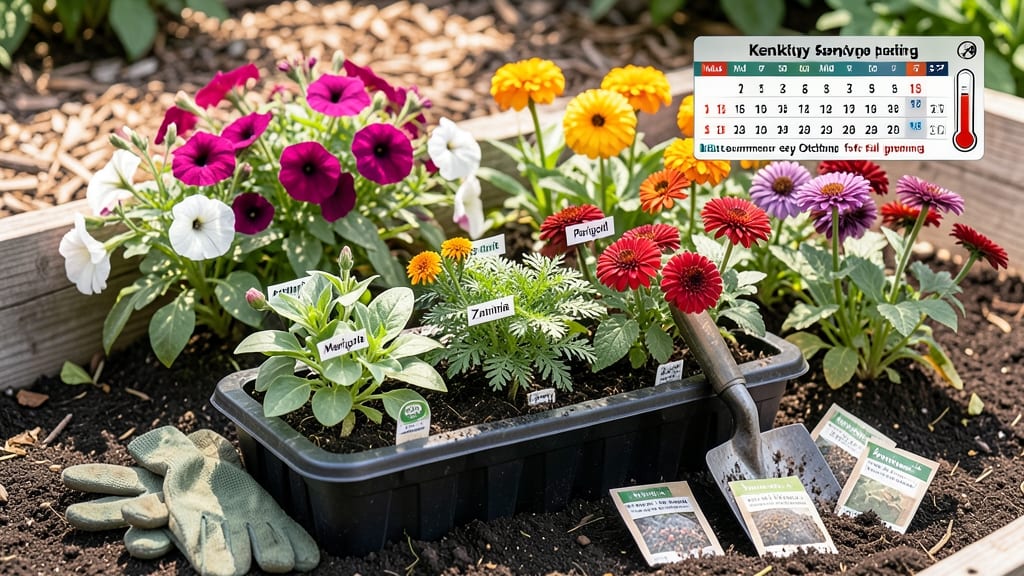
Planting flowers in Kentucky at the right time means the difference between a garden bursting with color and one that fizzles under the heat or frost.
Kentucky’s mild winters and humid summers create the perfect growing conditions for vibrant flowers—but timing is everything. Plant too early, and frost will kill your blooms; too late, and they’ll struggle to establish roots before summer heat sets in.
For USDA Zone 6b gardeners, the best windows are late March through early May for spring bloomers and August through early September for fall favorites. This guide breaks down the exact timing for annuals, perennials, and bulbs, plus how to adjust for Kentucky’s unpredictable weather.
You’ll learn which flowers thrive in your region, how to prep your soil, and a simple calendar to keep your garden in full bloom from spring through fall.
Best flower planting calendar for Kentucky’s USDA Zone 6b climate
Kentucky’s USDA Zone 6b climate offers a 180-day frost-free growing season, perfect for cultivating everything from annuals to perennial blooms. However, the Bluegrass Region and Pennyrile Plateau have slightly different microclimates—with the Plateau experiencing earlier frosts and the Bluegrass enjoying warmer springs.
To maximize your garden’s potential, align your planting with soil temperatures (aim for 60°F+) and last frost dates (typically mid-April in most areas).
This month-by-month guide breaks down when to plant annuals, perennials, and bulbs for continuous color, while accounting for Kentucky’s humid summers and mild winters. Whether you’re sowing marigolds for pest control or daylilies for long-term beauty, timing ensures your flowers thrive without wasting resources.
Let’s dive into the best planting windows for each season.
⚠️ PRO TIP: Use row covers or cold frames to extend your planting season by 2-3 weeks in early spring or late fall. This is especially useful for heat-sensitive annuals like cosmos or snapdragons.
| Month | Plant Type | Best Varieties for Kentucky | Soil Temp Threshold | Care Notes |
|---|---|---|---|---|
| March | Perennials & Bulbs | Daylilies, Peonies, Tulips, Daffodils | 45°F+ | Plant bulbs 6-8 weeks before last frost. Mulch heavily to protect from late frosts. |
| April | Annuals & Early Perennials | Pansies, Sweet Alyssum, Snapdragons, Calendula | 55°F+ | Wait until soil warms to 55°F. Harden off seedlings indoors for 7-10 days before transplanting. |
| May | Heat-Loving Annuals | Marigolds, Zinnias, Sunflowers, Petunias | 60°F+ | Direct-sow after last frost date. Space sunflowers 12-18 inches apart for optimal growth. |
| June | Succession Planting | Cosmos, Vinca, Portulaca, Basil (for pollinators) | 65°F+ | Sow every 2-3 weeks for continuous blooms. Drought-tolerant varieties thrive in Kentucky’s summer heat. |
| August | Fall Bulbs & Cool-Season Annuals | Chrysanthemums, Pansies, Sweet Peas, Calendula | 60°F+ | Plant fall bulbs (e.g., tulips) by mid-August. Use shade cloth for seedlings to prevent bolting. |
| September | Perennials & Biennials | Black-Eyed Susans, Coneflowers, Asters, Foxgloves | 50°F+ | Transplant bare-root perennials before first frost. Water deeply to establish roots before winter. |
For Kentucky’s Bluegrass Region, where springs arrive 1-2 weeks earlier than the Pennyrile Plateau, you can push annuals like petunias into the ground by late March if using row covers. In contrast, the Plateau’s cooler microclimate may require waiting until early April for the same plants.
Always check your local Cooperative Extension Service for region-specific frost dates, as they can vary by 5-7 days even within the same zone.
In summer (June-August), focus on succession planting to keep your garden blooming. Fast-growing annuals like cosmos and zinnias can be sown every 2-3 weeks until mid-July for continuous color. Pair them with drought-tolerant perennials like coneflowers or black-eyed Susans to reduce watering needs during Kentucky’s humid, rain-heavy summers.
Fall planting in August-September is ideal for cool-season bloomers like chrysanthemums and pansies, which thrive in Kentucky’s mild autumns. These plants often bloom until the first hard frost (typically mid-October), extending your seasonal interest.
For bulbs like tulips, plant them by mid-September to ensure roots establish before winter dormancy. Use a bulb planter or trowel to place them 6 inches deep in well-draining soil.
Don’t overlook winter prep for spring blooms! After the first frost, cut back annuals and tender perennials to 2-3 inches above the ground. Add a 3-inch layer of mulch around perennials and shrubs to insulate roots from freeze-thaw cycles.
This simple step can boost next year’s blooms by 30% by protecting delicate root systems.
If you’re new to Kentucky gardening, start with low-maintenance perennials like daylilies or cone flowers, which thrive in the state’s clay-heavy soils and require minimal fuss. For annuals, opt for drought-resistant varieties like lantana or portulaca to handle Kentucky’s unpredictable summer rains.
With this calendar as your guide, you’ll enjoy vibrant blooms from spring through fall—no guesswork required!
Top 10 flowers that thrive in Kentucky’s seasonal shifts
Kentucky’s unique climate—with its humid summers and mild winters—lets gardeners enjoy blooms nearly year-round. But knowing when to plant flowers in Kentucky is key to avoiding frost damage or summer stress. The right timing ensures your garden thrives, whether you’re planting spring bulbs or fall perennials.
For Kentucky’s USDA Zone 6b, the best planting windows are late March to early May for spring and August to early September for fall. This timing aligns with soil warming and avoids late frosts.
Let’s dive into the top 10 flowers that thrive in Kentucky’s seasonal shifts, tailored for your garden’s needs.
🌱 Styled-List: When to Plant Flowers in Kentucky
- 🌼 Black-Eyed Susans – Plant in early spring for summer blooms; thrives in full sun.
- 🌷 Daylilies – Best planted in spring; drought-tolerant and perennial.
- 🌺 Peonies – Plant bare-root in early spring; loves partial shade.
- 🌻 Marigolds – Sow after last frost (late April) for summer color.
- 🌼 Pansies – Plant in early fall for winter-spring blooms; cold-hardy.
- 🌷 Chrysanthemums – Start in late summer for fall color; needs full sun.
- 🌺 Dahlias – Plant tubers in August; stake for tall varieties.
- 🌻 Coneflowers – Sow in fall for next year’s blooms; drought-resistant.
- Amend clay-heavy soils with compost before planting.
- Mulch to retain moisture and regulate soil temp.
- Deadhead spent blooms for continuous flowering.
Kentucky’s clay-heavy soils can be tricky, but adding organic matter like compost or aged manure improves drainage and nutrient retention. For annuals like marigolds, focus on planting after the last frost date (typically mid-April) to avoid cold snaps.
These flowers love well-draining soil and full sun, making them perfect for Kentucky’s hot summers.
For perennials like daylilies and peonies, spring planting gives roots time to establish before summer heat. These plants are low-maintenance and drought-tolerant, ideal for Kentucky’s humid climate. Fall planting, on the other hand, is perfect for cold-hardy flowers like pansies and chrysanthemums, which bloom beautifully in cooler weather.
Don’t overlook bulbs like tulips—plant them in fall (October) for stunning spring blooms. Kentucky’s mild winters keep them safe, and they naturalize beautifully over time. Pair bulbs with spring perennials like bleeding hearts for a cohesive look.
With these Kentucky-friendly flowers and the right planting timing, your garden will burst with color from spring through fall. Adjust for your microclimate—whether you’re in the Bluegrass Region or Pennyrile Plateau—and watch your garden thrive! 🌿