
Flowers
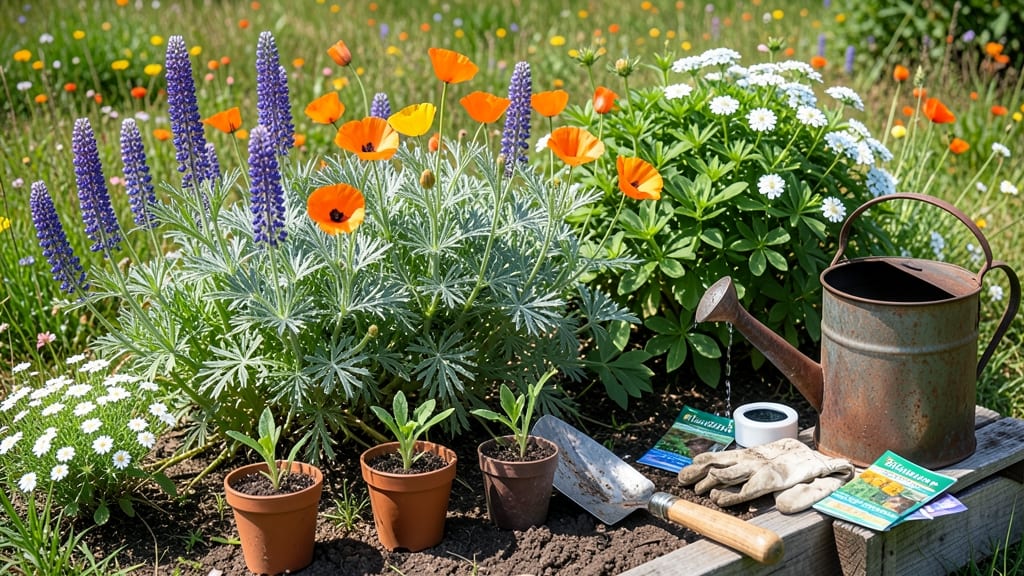
To plant flowers in California means timing your garden to avoid the extremes of coastal fog, Central Valley heat, and desert drought—each zone has its own ideal window.
Picture this: You’ve spent hours picking out vibrant annuals and hardy perennials, only to watch them bolt in the heat or drown in unexpected rain. The key isn’t just the calendar—it’s knowing whether you’re in USDA Zone 8 coastal fog or Zone 11 desert sun.
From late winter in the north to early spring in the south, the right moment ensures your flowers thrive year-round. Coastal gardeners can even plant some varieties in fall for winter blooms, while desert dwellers should wait until March or April to beat the summer scorcher.
Below, I break down the exact months for each microclimate, plus watering hacks and drought-resistant picks to keep your garden blooming—no matter where in California you call home.
California flower planting calendar by climate zone: coastal, Valley, and desert timelines
California’s three distinct microclimates—coastal, Central Valley, and desert—create wildly different planting seasons. In coastal zones (like San Francisco), cool summers and mild winters mean you can plant annuals year-round, while desert regions (such as Palm Springs) demand heat-tolerant varieties planted after March 15th to avoid scorching.
The Central Valley offers a middle ground with long, hot summers and cold winters, ideal for spring and fall plantings. Let’s break down the best months for your favorite blooms.
Understanding your last frost date is critical.
Coastal areas rarely see frost, while the Central Valley averages December 15th–January 15th, and deserts stay frost-free year-round. Rainfall patterns also shift dramatically: coastal zones get 30+ inches annually, the Valley averages 10–20 inches, and deserts see under 10 inches.
These factors dictate watering needs and soil prep—coastal gardens need drainage, while deserts thrive with mulch to retain moisture. Let’s dive into the month-by-month guide tailored to your zone.
| Climate Zone | Best Planting Months | Key Flowers | Soil Prep Tip | Watering Needs |
|---|---|---|---|---|
| Coastal (USDA 7–9) | Feb–Apr, Sep–Nov | Poppies, Snapdragons, Roses | Amend with compost; ensure drainage | Moderate (2–3x/week) |
| Central Valley (USDA 9–10) | Mar–May, Aug–Oct | Lavender, Dahlias, Sunflowers | Test pH (6.0–7.0); add organic matter | High (daily in summer) |
| Desert (USDA 10–11) | Apr–Jun, Sep–Nov | Bougainvillea, Gaillardia, Succulents | Use cactus soil mix; add gravel | Low (1x/week; deep water) |
For coastal gardeners, February through April is prime time for spring-blooming annuals like California poppies and snapdragons.
These flowers thrive in the cool, moist soil of early spring before summer fog sets in. Fall planting (September–November) is equally productive, allowing blooms to establish roots before winter rains. Lavender and roses are perennial favorites—plant them in late winter to avoid summer stress.
Coastal areas also support winter blooms like pansies, which tolerate light frosts.
The Central Valley offers a two-season advantage: spring (March–May) for heat-loving dahlias and sunflowers, and fall (August–October) for cool-season crops like calendulas. March 15th is a critical deadline—plant tomatoes and peppers too early, and they’ll bolt in the heat. Succession planting every 2–3 weeks ensures continuous color. Lavender, a Valley staple, should be planted in early spring to avoid summer drought stress.
Desert regions like Palm Springs and Joshua Tree have the shortest planting window: April–June and September–November. Heat-tolerant natives like bougainvillea and gaillardia dominate here, thriving in 100°F+ temperatures. Avoid planting in July or August—even drought-resistant plants struggle with soil temperatures over 90°F. Mulch heavily with gravel or bark to protect roots, and water deeply but infrequently (once a week) to encourage deep root growth.
Perennials like lavender and roses can be planted year-round in coastal zones but should wait until fall or early spring in the Valley and desert. Bulbs, such as tulips and daffodils, are best planted in fall (October–November) for spring blooms. In desert areas, bulb planting shifts to winter (December–January) to align with cooler temperatures. Succulents and cacti are exceptions—they can be planted anytime, but spring or fall minimizes transplant shock.
One common mistake is ignoring microclimate shifts within regions. For example, Santa Barbara’s coastal zone has warmer inland pockets (like Santa Ynez Valley) that mimic Central Valley conditions. Always check local frost dates
How to extend your flower season: succession planting and heat-tolerant varieties
Want flowers that bloom from spring through fall? The secret isn’t just picking pretty petals—it’s strategic planting and choosing heat-resistant varieties. In California’s USDA zones 7–11, summer heat can fry tender blooms, but with the right approach, your garden can stay vibrant year-round.
I’ll show you how to stagger plantings for continuous color and select drought-loving flowers that thrive in desert and valley climates.
Succession planting means planting new flowers every 2–4 weeks to replace fading blooms. For example, cosmos and zinnias love heat and self-seed easily—perfect for filling gaps. Pair them with heat-tolerant perennials like gaillardia (blanket flower) or bougainvillea, which bloom even when temps hit 100°F.
Coastal gardeners can add winter-blooming varieties like snapdragons or pansies for year-round interest.
For desert climates, focus on late-summer/early-fall flowers that handle low humidity and intense sun. My top picks: blanket flower (gaillardia), firecracker penstemon, and desert marigold (baileya).
These native California plants require little water once established and attract pollinators like hummingbirds and bees. Plant them in August–September for fall color when many other flowers fade.
Coastal gardeners can extend their season by planting winter-blooming annuals like calendulas or stocks in October–November. Use black plastic mulch to warm soil and protect roots from chilly coastal winds.
In USDA zone 9 (e.g., Los Angeles), you can even grow tulips in winter—they’ll bloom in February–March before summer heat arrives.
Don’t forget to water deeply but infrequently—especially in desert zones. Most heat-tolerant flowers hate soggy soil, so aim for 1–1.5 inches of water per week (including rainfall). In coastal areas, morning watering prevents fungal diseases from lingering moisture.
With these tips, your garden will stay bursting with color from spring through fall—and even winter in mild zones.
Try this: Plant cosmos in April, zinnias in June, and gaillardia in August for a nonstop bloom parade. Your neighbors will wonder how you do it—it’s all in the timing! 🌻