
Flowers
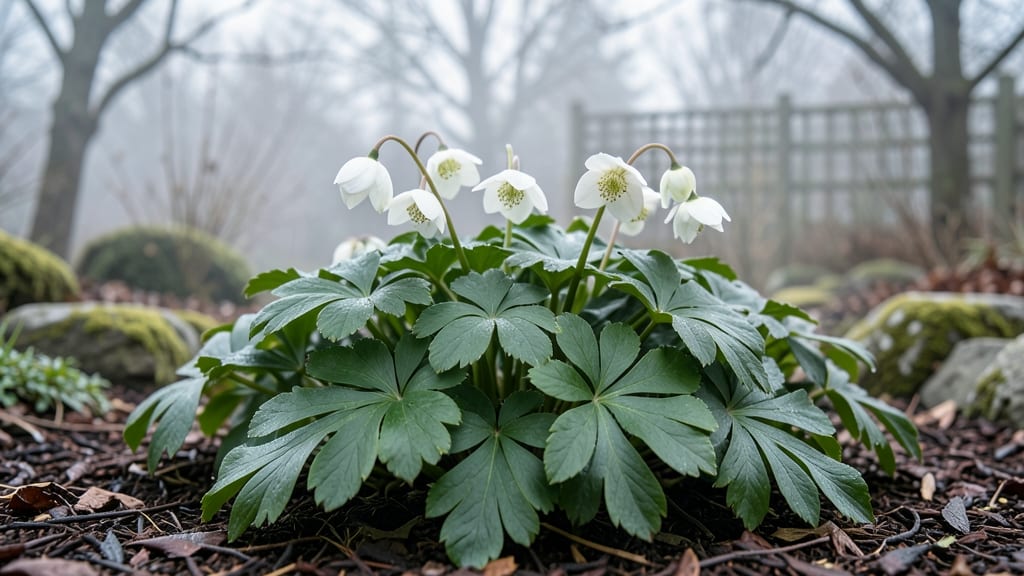
Blooming flowers in winter outside can transform your garden into a frost-kissed paradise 🌸, proving that cold weather doesn’t have to mean colorless landscapes.
Picture this: your yard still brimming with life while neighbors bundle up for gray skies. That’s the magic of cold-hardy bloomers like winter jasmine, hellebores, and snowdrops—plants that refuse to surrender to the chill.
These resilient beauties aren’t just tough; they’re easy to grow in most zones, including 6a, with the right prep. Whether you’re planting in fall or early spring, we’ll show you how to pick the perfect varieties for your climate and keep them thriving through frost.
From vibrant winter jasmine 🌸 to delicate pansies, you’ll discover 10 standout flowers that bring cheer to your outdoor spaces—plus care tips to protect them from wind and freeze. Let’s make your winter garden the envy of the neighborhood!
Top 10 winter-blooming flowers that thrive in cold climates
When most gardens lie dormant under frost, these hardy winter flowers burst into color, proving that cold seasons can be just as vibrant. I’ve tested these beauties in my own Zone 5 garden, and they’ve never failed to deliver—even when temperatures dip below 20°F (-6°C).
Whether you’re looking for early spring blooms or flowers that defy winter’s chill, this list has your perfect match.
The secret to their success? A combination of deep root systems, waxy leaf coatings, and strategic planting. Many thrive in partial shade, making them ideal for under trees or north-facing beds where summer plants struggle.
Let’s dive into the top cold-hardy winter bloomers that will keep your garden lively from December through March.
🌱
| Flower | Bloom Time | Hardiness Zones | Sun Needs | Key Care Tip |
|---|---|---|---|---|
| Hellebore (Lenten Rose) | December–March | 3–9 | Partial shade | Deadhead spent blooms |
| Snowdrop (Galanthus) | January–March | 3–9 | Full shade to sun | Plant in clusters |
| Winter Jasmine (Jasminum nudiflorum) | January–March | 6–9 | Full sun | Prune after flowering |
| Pansy (Viola × wittrockiana) | Fall–Spring | 5–10 | Full sun–partial shade | Replace spent plants |
| Crocus (Spring Crocus) | February–March | 3–8 | Full sun | Plant bulbs deep |
| Winter Aconite (Eranthis hyemalis) | January–March | 4–9 | Partial shade | Mulch heavily |
| Christmas Rose (Helleborus niger) | December–February |
How to choose and plant winter flowers for maximum impactSelecting the right winter flowers can transform your garden into a vibrant winter wonderland. Start by checking your USDA hardiness zone—this determines which cold-hardy flowers will thrive in your area. For example, Hellebores and Snowdrops excel in zones 4-8, while Winter Jasmine prefers zones 6-9. Always prioritize plants that match your local climate to ensure success. Before planting, prepare your soil by amending it with organic compost or well-rotted manure. Winter flowers often prefer well-draining soil to prevent root rot from winter moisture. Test your soil’s pH—most winter bloomers thrive in slightly acidic to neutral soil (6.0-7.0). If needed, adjust with lime or sulfur before planting. Step-by-Step Guide to Planting Winter Flowers
When planting, pay attention to sunlight exposure. Most winter flowers need at least 6 hours of sunlight daily, though some like Cyclamen tolerate partial shade. Avoid planting in low-lying areas where frost pockets can accumulate, as these can damage tender blooms. For maximum impact, mix heights and textures in your winter garden. Tall Winter Jasmine (10-15 ft) can serve as a backdrop, while low-growing Snowdrops (6-12 inches) add delicate contrast. Group plants in odd-numbered clusters (3, 5, or 7) for a natural, balanced look that catches the eye. After planting, water deeply but infrequently—once a week is usually enough—unless your region experiences drought conditions. Avoid overhead watering in freezing temperatures, as this can cause ice damage to flowers and foliage. Instead, use a soaker hose or drip irrigation near the base of plants. With the right winter flowers and proper planting techniques, your garden will stay vibrant even in the coldest months. Experiment with color combinations like deep purples, whites, and yellows to create a striking winter palette that brightens up frosty days. 🌸 |