
Flowers
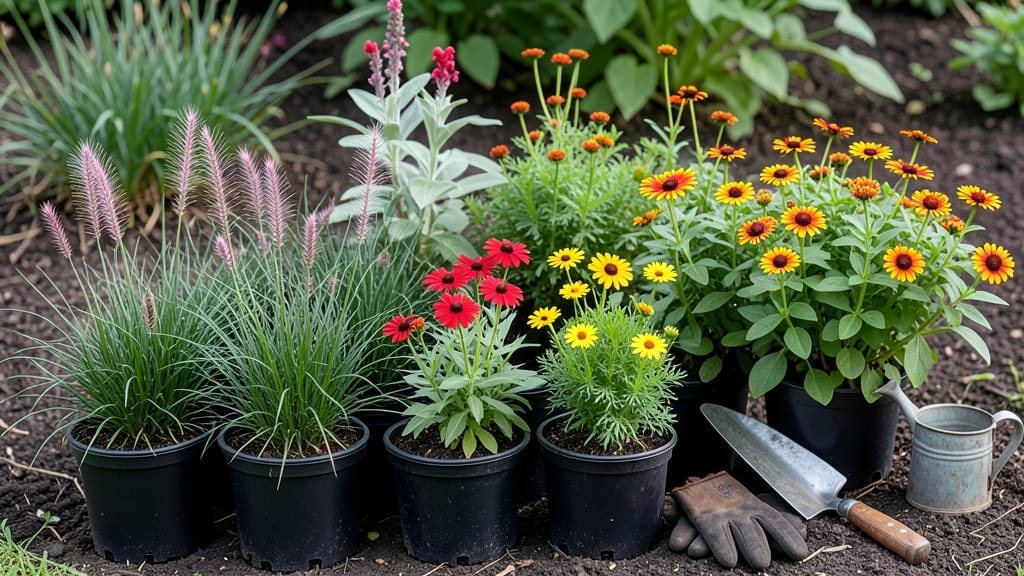
Planting fall flowers in Texas is all about timing—get it right, and you’ll enjoy vibrant blooms from September through December 🌼, even in the heat zones.
Texas gardeners know timing is everything—plant too early, and your fall flowers wilt in the summer heat; too late, and winter frosts steal their beauty. The key is knowing your heat zone and adjusting for Texas’ unpredictable fall weather.
In zones 8a-10b, North Texas gardeners should start in August, while Central and South Texas can wait until September or even October for cooler soil. The right window ensures strong roots before the first frost.
Below, I’ll break down the best planting months for popular Texas fall flowers like mums, asters, and salvias, plus soil prep tips to keep them thriving until winter.
Texas heat-Zone planting deadlines for fall flowers (by region)
Texas stretches from USDA Zone 7b in the Panhandle to Zone 10b along the Gulf Coast, creating wildly different planting schedules for fall flowers. In North Texas, where nights dip below freezing by November, you must plant 6-8 weeks before frost—typically mid-August to early September.
Meanwhile, South Texas gardeners enjoy a 3-month extension, with safe planting through mid-November. Central Texas falls somewhere in between, where Hill Country and Austin zones demand earlier starts than San Antonio or Houston.
Heat-tolerant annuals like zinnias and cosmos can handle Texas' late-summer heat, but perennials such as salvias and black-eyed Susans need cooler soil to establish roots. The key is soil temperature—wait until it drops below 80°F (27°C) for most seeds or transplants.
In Zone 8a and below, this often means late August planting; in Zones 9-10, you can push it to October.
Here’s your region-by-region breakdown of ideal planting windows, including heat-tolerant varieties that thrive in Texas’ late-summer conditions:
| Region | USDA Zone | Ideal Planting Window | Heat-Tolerant Varieties | Last Chance |
|---|---|---|---|---|
| North Texas | 7b-8b | Mid-August – Early September | Zinnias, Cosmos, Snapdragons, Marigolds | Late September (for frost-hardy types) |
| Central Texas (Hill Country) | 8a-8b | Late August – Mid-October | Salvias, Black-Eyed Susans, Pentas, Lantanas | Early November (mild winters) |
| Central Texas (Austin/San Antonio) | 8b-9a | Early September – Late October | Dahlias, Chrysanthemums, Vincas, Petunias | Mid-November (frost-sensitive areas) |
| South Texas (Houston/Gulf Coast) | 9a-10b | September – November | Portulacas, Gaillardias, Mexican Sunflowers, Tropical Hibiscus | Early December (frost rare) |
For North Texas, focus on cool-season annuals like pansies and snapdragons, which can handle light frosts. Plant these by September 1st to ensure blooms before winter. In Central Texas, where Hill Country freezes earlier than San Antonio, adjust by 2-3 weeks.
For example, zinnias in Zone 8a (e.g., Lubbock) should go in by August 15th, while the same variety in Zone 9a (e.g., San Antonio) can wait until September 15th.
In South Texas, heat-loving tropicals like Mexican sunflowers and portulacas thrive when planted as late as October. These varieties bloom in 30-45 days, so late plantings still yield winter color.
However, avoid frost-sensitive plants like tropical hibiscus after September 30th in Zone 9a, as even a light freeze can damage them.
Pro tip: Use mulch to regulate soil temperature and retain moisture. In hotter zones (9-10), apply 2-3 inches of straw mulch to protect roots from late-summer heat stress.
In cooler zones (7-8), opt for black plastic mulch to warm the soil and extend the growing season by 2-3 weeks.
Don’t forget to harden off transplants if starting from seedlings. Move them to partial shade for 3-5 days before planting to prevent shock from Texas’ intense afternoon sun. This is especially critical for delicate perennials like salvias and coreopsis, which can bolt if stressed.
Finally, monitor local frost dates using the National Weather Service or Texas A&M AgriLife Extension. For example, Dallas (Zone 8a) averages its first frost by November 15th, while Corpus Christi (Zone 9a) rarely sees frost before January 1st.
Adjust your planting schedule 1-2 weeks earlier if your area has had unusually warm summers, as
How to time your planting for Texas' unpredictable fall weather
Texas' fall weather is famously unpredictable—one week can bring 90-degree heat, while the next delivers chilly mornings. To succeed, I adjust planting dates based on soil temperature and local frost forecasts.
In the Hill Country, for example, I start heat-tolerant cosmos by mid-August, while Gulf Coast gardeners can wait until late September for the same results. The key is matching your plant's heat tolerance to your region's last expected heatwave.
I always check the National Weather Service's frost predictions—North Texas often sees its first frost by mid-November, while South Texas may avoid frost until January. For chrysanthemums or asters, I aim to plant 6-8 weeks before frost to ensure full blooming before winter sets in.
This window shifts dramatically between USDA Zone 8a (North Texas) and Zone 10a (Rio Grande Valley).
⚠️ callout warning
⚠️ Texas Frost Traps: Where Cold Settles First
Texas' microclimates create frost pockets that can kill fall flowers even if your weather app says "safe." Watch for:
- Low-lying areas (cold air sinks)
- North-facing slopes (less sun = faster cooling)
- Valleys near lakes (e.g., Hill Country)
- Urban areas (concrete holds heat longer but cools faster at night)
Pro Tip: Plant frost-sensitive flowers like marigolds on south-facing slopes or near stone walls that radiate heat.
Soil temperature is just as critical as air temperature. I use a soil thermometer to confirm the ground has cooled to 60-65°F before planting cool-season flowers. In Central Texas, this often happens by early September, but in East Texas, humid soils stay warm longer.
If your soil is still above 70°F, even drought-tolerant zinnias may struggle to establish roots. I always mulch heavily (2-3 inches of straw) to help cool the soil faster.
Rainfall patterns also dictate my planting schedule. In West Texas, I plant drought-resistant salvias in late August to capitalize on summer rains, while in East Texas, I delay until October to avoid hurricane season flooding.
I check the NOAA Climate Prediction Center for 30-day outlooks—if drought conditions are forecasted, I opt for deep-rooted perennials like blackfoot daisies over thirsty annuals.
For container gardening, I follow a different timeline. Potted flowers heat up faster and dry out quicker, so I start them 2-3 weeks earlier than in-ground plants. Black containers absorb heat—my pansies in black pots need afternoon shade in September to survive.
I also pre-chill seeds for 48 hours in the fridge before sowing to mimic natural fall conditions and improve germination rates.
Finally, I never rely on calendar dates alone. Instead, I combine three factors: soil temperature, frost predictions, and plant maturity timelines.
For example, mums need 90 days to bloom, so I plant them by September 1st in North Texas but can wait until October 1st in South Texas. By tracking these variables, I've extended my fall bloom season by 4-6 weeks compared to my early attempts.
The secret? Flexibility—and a backup plan for when Texas decides to defy expectations. 🌿