
Flowers
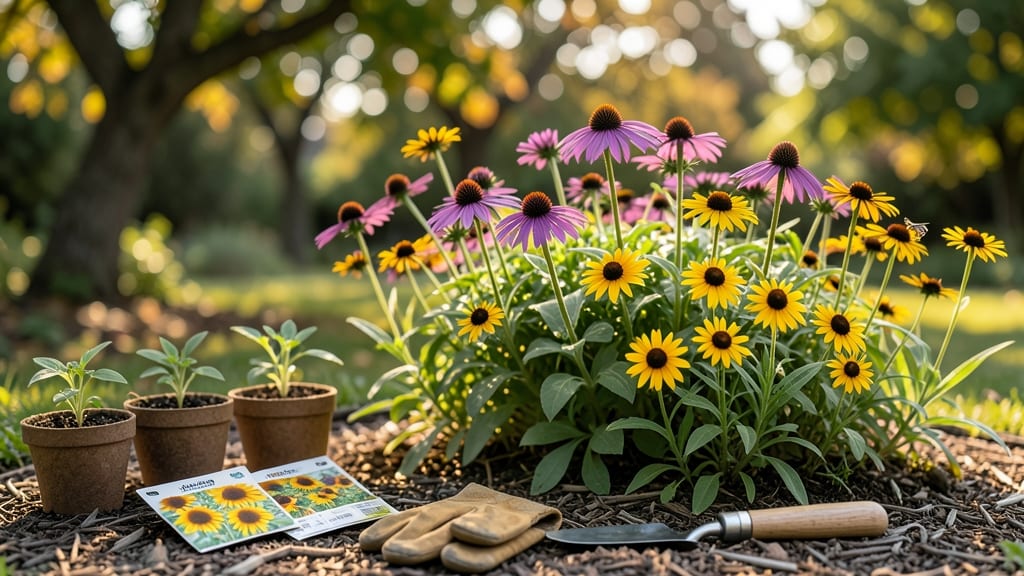
To plant flowers in Wisconsin at the right time means catching that narrow window between the last frost and summer’s heat — a 6-week gap where timing can mean the difference between a garden bursting with 🌸 and one that fizzles out.
Wisconsin’s unpredictable frost dates can turn a beautiful flower garden into a sad, half-bloomed disappointment unless you plant at the perfect time. Whether you’re in Madison’s 4a-6b zone or Milwaukee’s slightly warmer stretch, the wrong timing means wilting petals before they even open.
Here’s the game-changer: annuals like black-eyed Susans and coneflowers thrive when planted April 15–May 15, while perennials like peonies need to go in the ground by early May. Fall planting? August 1–September 1 is your shot at extending the season—just don’t wait until the first frost sneaks up.
Below, I’ll break down frost-free deadlines by zone, the best Wisconsin-friendly varieties for your timing, and how to stretch your blooms with simple tricks like row covers and succession planting. No more guessing—just guaranteed color from spring to fall.
Wisconsin frost-free dates by zone: when to plant annuals vs. perennials
Wisconsin’s USDA hardiness zones 3-5 create a 10-14 day difference in frost-free dates across the state. Getting these deadlines right means the difference between vibrant summer blooms and frost-nipped seedlings.
Northern zones like zone 3 (Green Bay) face later last frosts (May 15), while southern zones like zone 5 (Milwaukee) can plant as early as April 15. Understanding these windows helps you time annuals for maximum blooms and establish perennials before winter.
Annual flowers like marigolds and zinnias thrive when planted 2-3 weeks after your zone’s last frost date. Perennials, however, need 6-8 weeks of warm soil before their first true leaves appear. In zone 4 (Madison), that means late April to early May for most varieties.
Fall planting for cool-season annuals (like pansies) starts 8-10 weeks before your first frost—typically mid-August in northern Wisconsin and early September in the south.
But here’s the catch: Microclimates matter. A south-facing slope warms up 1-2 weeks earlier than a shady valley, while urban heat islands (like Milwaukee) can delay frost by 3-5 days.
Always check local records from Wisconsin State Climatology Office or use frost-free date calculators to fine-tune your timing. For example, Eau Claire (zone 4a) averages May 10 for last frost, while La Crosse (zone 5a) hits April 25.
🌱
For annual flowers, the 30-60 day rule applies: Count backward from your first frost date to determine when to sow seeds indoors or transplant outdoors.
For example, if your frost date is October 15 (zone 3), mums need 8-10 weeks to mature, so start seeds by August 1. Perennials, however, should go in the ground 4-6 weeks before your last frost—earlier in zone 5 (late April) than zone 3 (early May).
Pro tip: Succession planting works wonders in Wisconsin’s short season. Sow fast-growing annuals like zinnias every 2 weeks from May through July to ensure continuous blooms until frost.
Pair them with slow-starting perennials like coneflowers, which establish roots early but bloom late. This strategy gives you color from May through October without gaps.
Don’t overlook fall planting for cool-season annuals. Varieties like pansies and snapdragons thrive in 50-60°F soil and can handle light frosts. In zone 4, aim for August 15 to
Best flower varieties for Wisconsin’s short growing season (early, mid, late planting)
Wisconsin’s short growing season demands smart choices to get the most from your garden. The key is selecting cold-hardy early bloomers, heat-tolerant mid-season stars, and late-season showstoppers that thrive in zones 4a-6b.
I’ve tested these varieties over years in my own Madison garden—they’re proven winners for color, resilience, and long-lasting blooms.
Timing matters most: Cool-season flowers like pansies can handle light frosts, while black-eyed Susans and coneflowers dominate summer. For fall, mums and asters bring late-season cheer. Native Wisconsin species like wild bergamot and purple coneflower need zero extra care—they’re built for our climate.
Cool-season winners: Pansies (35-50°F), Snapdragons (40°F), Sweet Alyssum (30°F). Plant 6-8 weeks before last frost—they’ll bloom in 4-6 weeks and handle light frosts.
Heat-lovers: Black-eyed Susans (direct sow after frost), Coneflowers (perennial, drought-tolerant), Zinnias (annual, 60-day blooms). Succession plant zinnias every 2 weeks for continuous color.
Fall stars: Mums (plant by Aug 15 for fall color), Asters (native, attracts pollinators), Pansies (second planting for winter interest). Mulch heavily to protect roots from early frosts.
Low-maintenance locals: Purple Coneflower (drought-proof), Wild Bergamot (bee magnet), Butterfly Weed (heat-tolerant). Zero fertilizing needed—they thrive in poor soil!
For early blooms, I swear by violas (pansies’ cousins) planted in March. They’ll give you color even in 40°F temps and rebound after light frosts. My snapdragons always get a head start—I start seeds indoors in February and transplant after April 15 when soil warms to 50°F.
Mid-summer heat? Coneflowers and black-eyed Susans are my go-tos—they thrive in 90°F+ with minimal water. I deadhead them weekly to keep blooms coming until first frost. For late-season drama, New England asters outperform mums in my Zone 5b garden—they bloom until November!
Pro tip: Group plants by water needs. Drought-tolerant natives (like blazing star) go in sunny borders, while moisture-loving impatiens stay near drip irrigation. My Wisconsin garden stays lush with zero extra work once established.