
Flowers
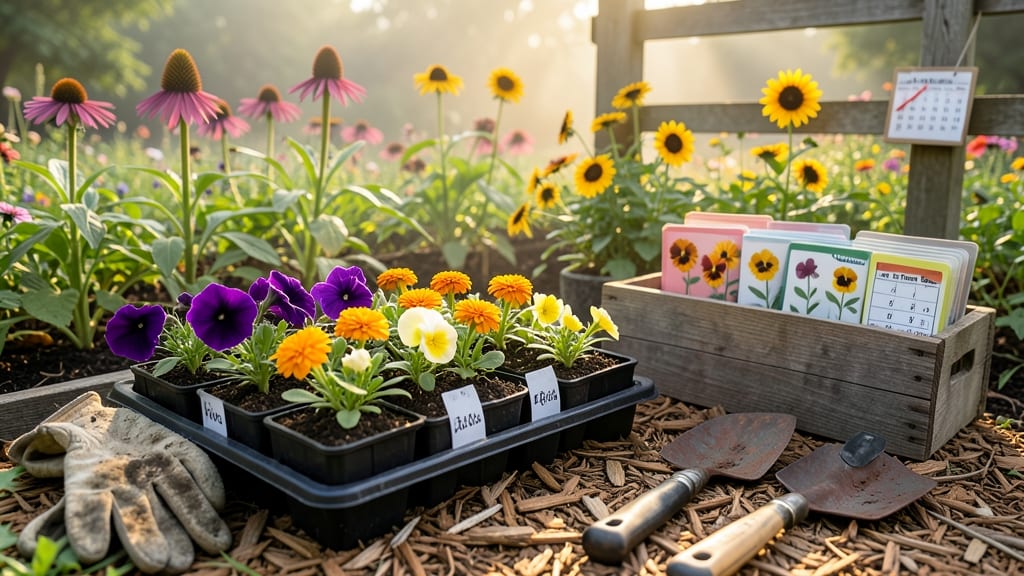
To plant flowers in Maine means timing your sowing to beat the last frost—usually between mid-April and early June, depending on your zone—and avoiding the early freezes that can wipe out tender blooms.
Maine’s unpredictable spring frost dates and short growing season can make planting flowers a guessing game—but timing is everything for vibrant blooms.
Whether you're a seasoned gardener or a first-time planter, knowing the exact window to sow seeds or transplant flowers in Maine’s USDA Zones 4-6 will save you from wasted effort and ensure a showstopping garden.
Annuals like marigolds and pansies can handle cooler soil, while perennials like coneflowers and black-eyed Susans thrive when planted after the last frost. Below, I break down the best months for each type, how to prep your soil, and what to do if your spring runs late—or worse, early.
You’ll leave this guide with a clear month-by-month schedule, tips for extending your blooms into fall, and the confidence to choose flowers that actually survive Maine’s climate. Let’s get those 🌱 planted right!
Maine’s frost dates & ideal planting months by flower type
Maine’s USDA Zones 4-6 bring unique challenges for gardeners, with last frost dates ranging from late May in southern Maine to early June in northern regions. Understanding these planting deadlines ensures your flowers thrive despite Maine’s unpredictable weather.
Whether you're planting cold-hardy perennials or heat-loving annuals, timing is critical for vibrant blooms.
For most of Maine, the average last frost date falls between May 15-30, but microclimates near coastlines or lakes can push this window earlier. Meanwhile, the first frost typically arrives between September 15-30, shortening the growing season.
This means planning ahead for succession planting or choosing late-blooming varieties can extend your garden’s beauty well into autumn.
Below is a zone-specific planting guide for Maine’s most popular flowers, including when to start seeds indoors, direct sow outdoors, and transplant hardy perennials. I’ve also included notes on cold-resistant varieties that can handle Maine’s early springs and heat-tolerant annuals for summer-long color.
| Flower Type | Zone 4 (Northern ME) | Zone 5 (Central ME) | Zone 6 (Southern ME) | Notes |
|---|---|---|---|---|
| Cold-Hardy Perennials (Coneflowers, Black-Eyed Susans) | Transplant May 1-15 | Transplant April 20-May 1 | Transplant April 15-30 | Direct sow late May-early June after frost |
| Bulbs (Tulips, Daffodils) | Plant September-October (fall) | Plant September-October (fall) | Plant September-October (fall) | Choose late-blooming varieties for Zone 4 |
| Annuals (Heat-Loving) (Marigolds, Petunias) | Start indoors March 15-April 1 | Start indoors March 1-April 15 | Start indoors February 15-March 15 | Transplant after last frost (May-June) |
| Cool-Season Annuals (Pansies, Snapdragons) | Direct sow April 15-May 15 | Direct sow April 1-May 1 | Direct sow March 15-April 15 | Tolerates light frost; great for early spring |
| Vegetable Flowers (Nasturtiums, Calendula) | Direct sow May 15-June 15 | Direct sow May 1-June 1 | Direct sow April 15-May 15 | Edible blooms; drought-tolerant |
If you’re growing annual flowers, starting seeds indoors 6-8 weeks before the last frost date gives them a head start. For example, marigolds and petunias thrive when transplanted after Memorial Day, while pansies and snapdragons can handle Maine’s cooler springs and even light frosts.
These cool-season annuals often bloom earlier, adding color to your garden before summer heat arrives.
For perennial flowers, timing depends on whether you’re dividing established plants or planting new ones. Most perennials, like coneflowers or black-eyed Susans, can be transplanted in early spring (as soon as the ground is workable) or early fall.
However, Zone 4 gardeners should wait until after May 1 to avoid late frosts damaging tender roots.
Bulbs like tulips and daffodils are planted in fall (September-October) to establish roots before winter. In Maine, late-blooming varieties (like Darwin Hybrid tulips) are ideal—they push their blooms later in the season, avoiding the risk of early spring frosts.
For spring-blooming bulbs, aim to plant by October 15 to ensure they’re rooted before the ground freezes.
Heat-loving flowers, such as geraniums or salvias, need extra care in Maine’s climate. Start these indoors by late March and harden off before transplanting after the last frost.
If you’re unsure about your local frost dates, use a frost protection cloth to shield tender plants until temperatures stabilize. This simple step can extend your growing season by 2-3 weeks.
Always check your specific microclimate—gardens near bodies of water or in sheltered valleys may experience earlier last frosts than inland areas. For example, Portland’s last frost often occurs by May 10, while Presque Isle may not see frost-free conditions until June 1.
Adjust your planting schedule accordingly to avoid frost damage to your prized blooms.
With these zone-specific deadlines and a little planning, you can create a stunning Maine garden that blooms from spring through fall. Whether you’re a beginner gardener or a seasoned pro, mastering Maine’s frost dates is the key to long-lasting, vibrant flowers year after year.
Best flowers to plant in Maine by season (with exact timing)
Maine’s four distinct seasons create unique opportunities for gardeners to enjoy colorful blooms year-round. While summer steals the show with vibrant annuals, don’t overlook spring bulbs that poke through snow or hardy perennials that brave autumn frosts.
The key is planting at the right time—too early and frost will kill tender seedlings; too late and you’ll miss peak bloom seasons.
I’ve tested these seasonal flower lists in my own Maine garden (Zone 5), adjusting for late springs and early autumn frosts. Whether you’re sowing seeds or transplanting, these exact timing guidelines will help you maximize your garden’s potential without guessing.
Spring (March-May)
Bulbs: Plant daffodils and tulips in October-November (they’ll bloom May-June). For spring pansies and sweet peas, sow seeds indoors in March or transplant hardy annuals after last frost (mid-May).
Summer (June-August)
Annuals: Plant marigolds, zinnias, and cosmos after June 1 (soil temps >50°F). For perennials like coneflowers, transplant in May—they’ll bloom all summer. Succession plant basil every 2 weeks for continuous blooms.
Fall (September-October)
Cold-hardy annuals: Sow pansies and snapdragons by September 15 for winter color. Plant fall-blooming bulbs like crocuses (October) and alliums (September). Perennials like black-eyed Susans can be divided in early fall for next year’s growth.
Winter Interest (November-February)
Evergreen shrubs: Plant hemlock or boxwood in fall for year-round structure. Winter pansies (sown in September) and ornamental grasses add texture. Dormant-season care (mulching, pruning) keeps perennials healthy for spring reblooms.
For Maine’s short season, focus on perennials like Russian sage (Zone 5) or lavender, which thrive with minimal care. Annuals like geraniums and petunias need monthly deadheading to prolong blooms.
Pro tip: Use row covers to extend the season for heat-loving flowers like dahlias (plant after July 4 for late-summer color).
My go-to Maine flowers include black-eyed Susans (summer), mums (fall), and heather (winter). These low-maintenance picks handle Maine’s humidity and temperature swings better than fussy varieties. Always check your local frost dates—they vary by 5-10 days across Maine’s regions!
Start with one season’s flowers to master timing, then expand. For example, spring bulbs planted last fall will reward you with early color before summer annuals take over. Plan your garden like a calendar: bulbs in fall, perennials in spring, annuals in summer, and fall bloomers in early autumn.
That’s how you get year-round interest in Maine’s challenging climate. 🌷