
Plants
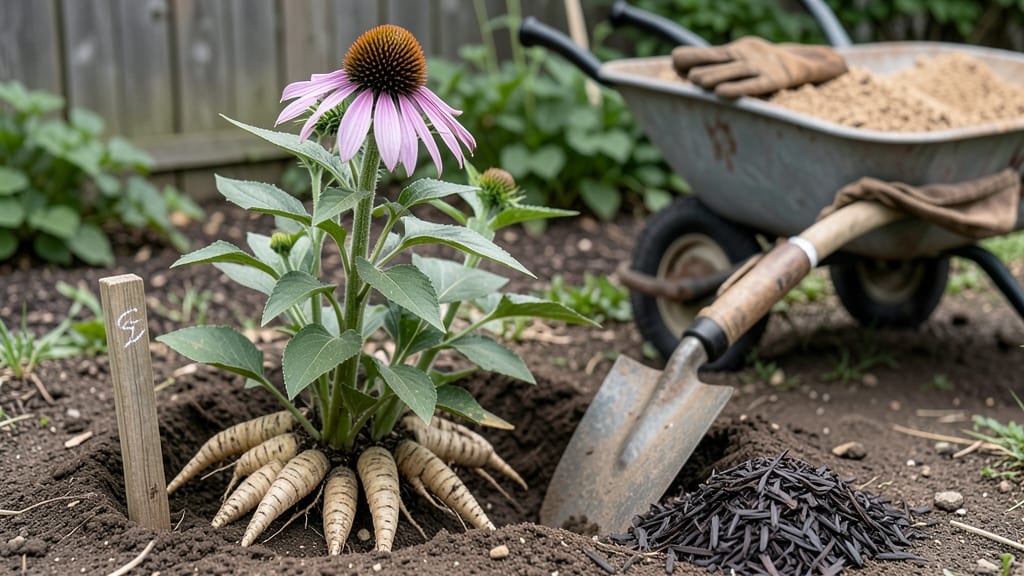
To plant coneflower bulbs for those showstopping mid-summer blooms 🌼, aim for spring or early fall—timing that lets roots establish before the heat or frost hits.
Timing your coneflower bulb planting can mean the difference between a vibrant summer garden and a missed opportunity—these hardy perennials thrive when planted at the perfect moment, but getting it wrong can delay (or even prevent) those iconic purple blooms.
In USDA Zone 6a, where many gardeners call home, the ideal window runs from March through April for spring planting or September to October for fall.
Plant too early, and the bulbs may sprout before the soil warms enough; too late, and they won’t root deeply before winter sets in.
Below, I’ll break down the exact months for your zone, soil prep secrets to speed up growth, and the one trick to guarantee blooms by July—no matter where you garden.
Best planting months for coneflower bulbs by USDA hardiness zone
Coneflowers (Echinacea) are beloved for their durable blooms and low-maintenance nature, but their planting window depends heavily on your USDA hardiness zone. Planting at the wrong time can lead to frost damage or delayed blooms, so understanding your regional climate patterns is key.
Most gardeners focus on spring or fall planting, but the best month varies by zone.
In cooler zones (3-5), fall planting gives bulbs time to establish roots before winter, while warmer zones (6-10) allow for both spring and fall options. Early planting in spring risks late frost, while late fall planting may not give roots enough time to settle.
Let’s break down the ideal months for each zone to maximize your summer blooms.
| USDA Zone | Best Planting Month | Key Considerations | Frost Risk |
|---|---|---|---|
| Zones 3-4 | Early September to mid-October | Soil temps should be 50-60°F; roots need 4-6 weeks to establish before frost. | High (first frost: Oct 1-Oct 15) |
| Zones 5-6 | Late August to early October | Avoid planting when soil temps drop below 45°F; aim for 6-8 weeks before frost. | Moderate (first frost: Nov 1-Nov 15) |
| Zones 7-8 | Spring (March-April) or Fall (September-October) | Spring planting works if soil is workable; fall planting allows two bloom seasons if mild winters. | Low (first frost: Dec 1-Jan 15) |
| Zones 9-10 | Spring (February-March) or Fall (October-November) | Fall planting is ideal; spring planting risks heat stress if planted too late. | Minimal (first frost: rare or Dec+) |
For Zones 3-4, prioritize fall planting—this gives bulbs time to root before winter’s harsh freeze. Plant 6-8 weeks before your first expected frost, typically between early September and mid-October.
If you miss this window, wait until early spring (after soil thaws) to avoid root rot from soggy winter soil.
In Zones 5-6, you have flexibility but must act quickly. Fall planting should finish by early October to allow root establishment.
If you plant too late, bulbs may not survive winter. Spring planting is also viable if done by April, but avoid planting when soil is still frozen or waterlogged.
Gardeners in Zones 7-10 enjoy the most options. In Zones 7-8, both spring and fall work, but fall planting often yields earlier blooms the following year. For Zones 9-10, fall planting is ideal—bulbs can root in mild winters, and you’ll see blooms as early as late spring.
Spring planting is riskier due to heat stress if bulbs dry out.
Always check your local frost dates—a quick search for “USDA frost map [your state]” will give precise timing.
For example, in Zone 6, planting in late September might work, but in Zone 4, you’ll need to plant by mid-September to avoid frost damage. Soil temperature, not air temperature, is the real indicator—aim for 50-60°F for root growth.
Pro tip: If you’re unsure about timing, plant in containers first. This lets you move bulbs indoors if frost threatens, giving you extra flexibility. Just ensure containers have drainage holes to prevent rot. Once you’ve mastered timing, you’ll enjoy coneflowers blooming reliably for years to come.
🌼
How to adjust planting time for early or late blooms
Want to coax your coneflowers into blooming earlier or extend their show into fall? Adjusting planting time is the secret weapon in your gardening toolkit. Spring planting can force blooms weeks ahead, while fall planting extends the season—both strategies work beautifully with coneflowers' adaptable nature.
The key lies in understanding soil temperature triggers and cold stratification techniques that mimic natural conditions.
For early blooms, plant coneflower bulbs in late winter (February-March) when soil temperatures hover around 40-45°F. This jumpstarts root growth before the last frost, giving plants a head start.
In colder zones (3-5), consider cold stratification—chilling bulbs for 6-8 weeks in a damp paper towel before planting to break dormancy. For late-season color, plant in early fall (September-October), allowing roots to establish before winter while blooms appear the following year.
Pro tip: Test your soil's moisture before planting—coneflowers hate soggy roots. Amend clay soil with compost or perlite to improve drainage, especially in fall plantings where excess moisture can rot bulbs before winter.
In warmer zones (8-10), plant in late fall (November-December) to avoid summer heat stress, which can delay blooming.
Adjusting planting time isn’t just about timing—it’s about reading your climate. In Zone 6, for example, I’ve seen coneflowers bloom 3 weeks earlier by planting in mid-March instead of April.
Track your garden’s microclimate: shady spots stay cooler longer, while south-facing beds warm up faster. Use these insights to fine-tune your schedule each year.
Remember, coneflowers are perennials, so they’ll reward patience. If you plant for early blooms one year, you might get late-season blooms the next—nature’s way of balancing the equation. Start with small batches to experiment, and soon you’ll have coneflowers blooming from June to October in your garden! 🌼