
Plants
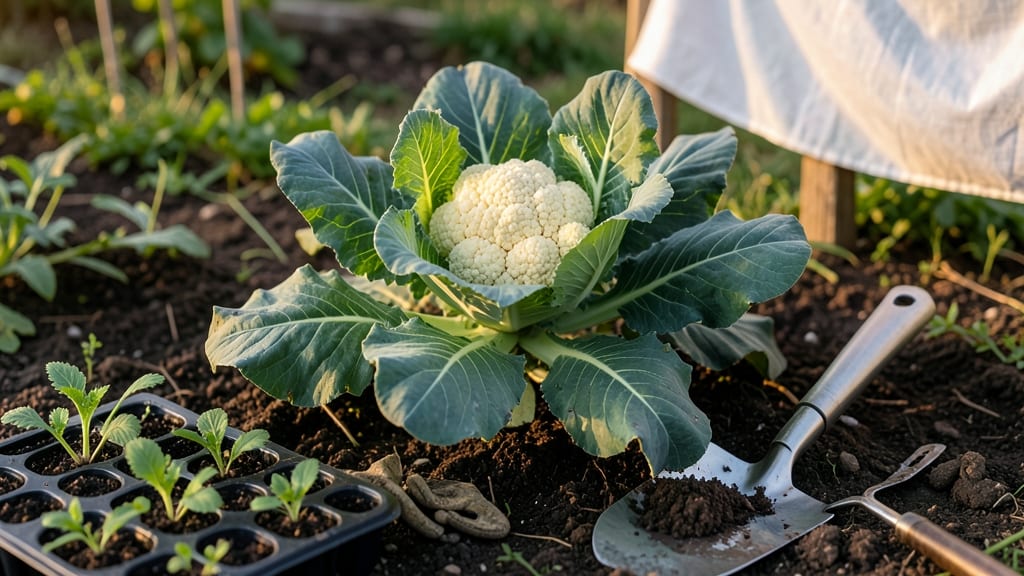
Planting cauliflower in Texas requires precise timing to outsmart the heat and frost—aim for early spring or late summer, when temperatures stay mild.
Texas gardeners know the struggle: cauliflower hates heat, yet the Lone Star State’s long summers make growing this cool-weather crop a high-stakes challenge. Timing your planting just right could mean the difference between a bountiful harvest and wilted disappointment.
The key is starting seeds indoors 8-10 weeks before your last frost date, then transplanting once soil warms to 50°F. Fall planting works too, but you’ll need shade cloth to protect young plants from late-season heat spikes.
Below, I break down the exact months for North, Central, and South Texas, plus the heat-resistant varieties that actually thrive here—no more guessing, just proven results.
Best planting months for cauliflower in Texas (by region)
Texas gardeners face a unique challenge with cauliflower—this cool-weather crop despises our 90°F+ summers, yet with the right timing, you can grow it successfully. The key is planting when temperatures stay below 75°F during the day.
North, Central, and South Texas each have different frost dates and microclimates, so I’ll break down the best months for each region to maximize your harvest.
For North Texas (USDA Zones 7-8), your growing window is shorter but more predictable. You’ll want to focus on fall and early spring plantings to avoid summer heat. In Central Texas (Zones 8-9), you’ll have slightly warmer winters, allowing for a longer fall planting window.
Meanwhile, South Texas (Zones 9-10) gardeners must time plantings carefully to avoid extreme heat—your best bet is a late summer/early fall start with shade protection.
Here’s the critical rule: Cauliflower needs 60-90 days of cool weather to mature. If temperatures rise above 80°F during this period, heads will bolt (send up a flower stalk) or become bitter.
That’s why I recommend using shade cloth (30-50%) during peak summer months to buy extra time for your plants.
Now, let’s dive into the exact months for each region, including how to extend your growing season with shade and mulch. This comparison table will help you visualize the best planting windows based on your location.
Let’s talk about fall planting, which is often the most reliable method for Texas gardeners. In North Texas, start seeds indoors 6-8 weeks before your average first frost (usually mid-September). Transplant seedlings outdoors in late August so they mature before winter sets in.
For Central and South Texas, aim for July-August plantings—this gives your cauliflower enough time to grow before temperatures soar in late summer.
If you’re growing in containers, choose compact varieties like 'Purple of Sicily' and plant them in 5-gallon pots with self-watering capabilities. Containers warm up faster, so monitor soil temperatures closely—cauliflower roots prefer 55-65°F.
Use a soil thermometer to check before planting; if it’s above 70°F, wait or use shade cloth.
For spring plantings, North Texas gardeners can start seeds indoors in February and transplant in March, while Central and South Texas should wait until January for outdoor planting. The goal is to harvest before May 1, when heat stress becomes inevitable.
I’ve had success using row covers to protect young plants from unexpected late frosts in North Texas—just remove them once temperatures stay above 50°F.
One of my favorite tricks to extend the growing season is using black plastic mulch. Lay it down before planting to warm the soil faster in spring or keep roots cool in summer.
Pair this with drip irrigation to maintain even moisture—cauliflower hates fluctuating water levels, which can cause heads to split or become misshapen. Water deeply twice a week and avoid wetting the leaves to prevent disease.
Finally, don’t forget to harvest before bolting. Look for tight, firm heads with a rich color (white, purple, or green depending on variety). If you see yellowing leaves or the head starts to loosen, it’s time to cut it.
In Texas, this usually happens in late October for fall plantings or April for spring plantings. Save seeds from your best heads for next year’s garden!
With these regional guidelines, you’ll avoid the common pitfalls of Texas cauliflower growing—like bolting or poor germination—and enjoy a bountiful harvest even in our challenging climate. Happy gardening! 🌿
Top 5 heat-resistant cauliflower varieties for Texas gardens
Growing cauliflower in Texas feels like a high-stakes game of chance—until you pick the right varieties. The key is selecting heat-tolerant types that won’t bolt or wilt under 100°F+ temps.
These five varieties have proven themselves in Lone Star State gardens, offering everything from purple hues to compact heads perfect for small spaces.
For Texas gardeners, maturity time matters just as much as heat tolerance. You’ll want varieties that mature in 60-80 days to avoid summer’s worst heat.
Some even handle partial shade, which is a lifesaver when afternoon sun becomes brutal. Let’s dive into the top performers and how to source them.
My top pick for Texas heat is Snowball Y Improved—it matures in just 60-70 days and handles heat better than most varieties.
The white heads stay crisp even when temps flirt with 95°F. For something visually striking, Purple of Sicily delivers vibrant purple heads that add color to your plate and garden.
If you love unique colors, Graffiti cauliflower grows striped heads in shades of green, white, and purple. It’s a conversation starter and thrives in partial shade, making it ideal for East Texas gardens where afternoon sun can be intense.
For a cheesy flavor without the white look, Cheddar offers orange-yellow heads that mature in about 75 days.
Lastly, Aran is perfect for small spaces thanks to its compact, Romanesco-style heads. It takes slightly longer to mature (75-85 days) but handles heat exceptionally well.
All these varieties are available from Baker Creek Heirloom Seeds, Johnny’s Selected Seeds, or local Texas nurseries like Native American Seed.
Pro tip: Pair these varieties with shade cloth during peak summer to extend your growing season. Even heat-resistant types will appreciate some afternoon relief when temps exceed 90°F. Happy planting—your Texas garden will thank you! 🌱