
Flowers
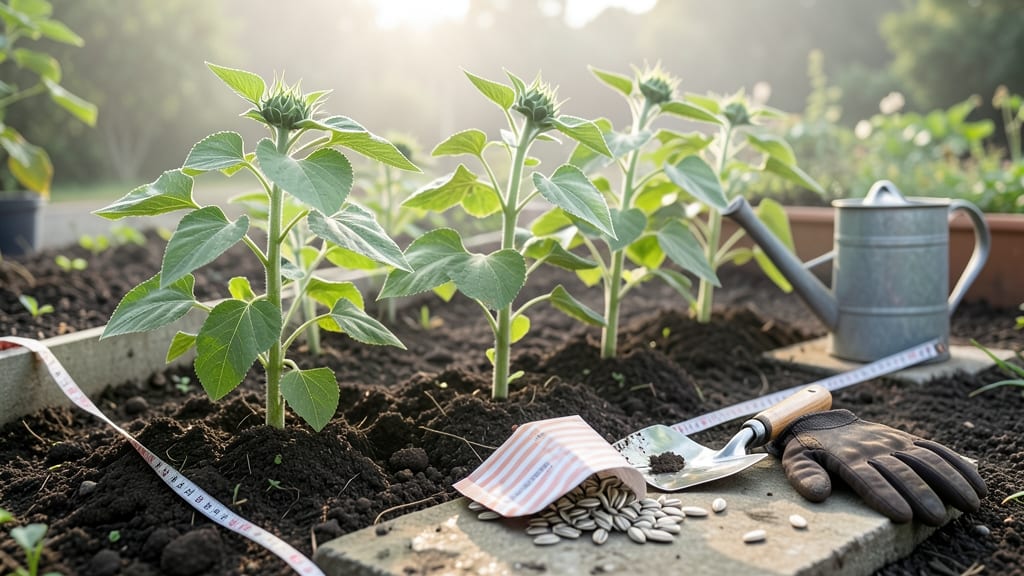
Planting sunflowers in Central Texas at the right time means the difference between a 10-foot tower of golden blooms and a sad, wilted stalk that never reaches its potential.
Sunflowers thrive in Central Texas’ long, hot summers—but planting them at the wrong time means wilting before they bloom. Timing is everything for these sun-loving giants, and missing the frost-free window could cost you vibrant flowers and towering stems.
For Central Texas gardeners in USDA zones 8a-9b, the ideal planting window is late February through early April or again in August through early September. This aligns with soil temperatures and avoids the brutal summer heat that can stress young plants.
Below, I’ll break down the exact frost dates, heat-tolerant varieties, and soil prep tips to ensure your 🌻 sunflowers grow strong and tall—no matter when you plant.
Central Texas sunflower planting calendar: frost dates & heat-tolerant varieties
Central Texas gardeners know the sunflower is a showstopper, but timing your planting is crucial to avoid frost damage or heat stress. With our last frost date of March 15 and first frost arriving November 15, you’ve got a narrow window to plant for vibrant blooms.
The key? Two planting seasons—spring and fall—with heat-tolerant varieties that thrive in our 100°F+ summers.
My favorite heat-resistant varieties for Central Texas include 'Autumn Beauty', which blooms in deep reds and lasts through fall, and 'Moulin Rouge', a striking bicolor that handles our intense sun.
These varieties won’t wilt like less-adapted types when temperatures soar, giving you longer bloom times and healthier stems.
| Planting Window | Best Varieties | Soil Temp | Bloom Time |
|---|---|---|---|
| Late February – Early April | 'Autumn Beauty', 'Moulin Rouge', 'ProCut Hybrid' | 50°F+ | June–October |
| August – Early September | 'Teddy Bear', 'Russian Giant', 'Sunspot' | 55°F+ | October–December |
| Avoid May–July | N/A (Heat stress risk) | N/A | Poor performance |
For spring planting, aim for April–May when soil temperatures consistently stay above 50°F. This gives your sunflowers enough time to establish roots before summer’s intense heat sets in. I’ve found that direct sowing works best—just plant seeds 1 inch deep and 6 inches apart in well-draining soil.
If you prefer fall blooms, plant in August–September for flowers that last through October and November. This second planting window avoids the peak summer heat while still giving you stunning autumn color.
Just be sure to choose dwarf varieties like 'Teddy Bear' if space is limited—these stay under 4 feet tall but still pack a punch.
One mistake I see often is planting too early in March. While the last frost date is March 15, early March nights can still dip into the 30s°F, stunting young seedlings.
Wait until mid-April for guaranteed frost-free growth. For fall planting, stop by early September to ensure flowers mature before the first frost.
Central Texas sunflowers need full sun exposure—at least 6–8 hours daily—and well-draining soil. Amend heavy clay soil with compost to improve drainage, and mulch around the base to retain moisture during our dry spells.
Water deeply 2–3 times per week until established, then reduce to once weekly once they’re thriving.
Pro tip: Use black plastic mulch to warm soil faster in spring or straw mulch to conserve moisture in fall. Both methods help sunflowers grow faster and resist heat stress.
I’ve also had success with container growing for patio sunflowers—just use a 5-gallon pot and bury the container halfway for stability.
Watch for sunflower pests like cucumber beetles and aphids, which love tender new growth. A spray of neem oil or insecticidal soap keeps them at bay without harming pollinators. Deadhead spent blooms to encourage more flowers, and save seeds from your best plants for next year’s garden.
With the right timing and varieties, your Central Texas sunflowers will reach towering heights and brighten your landscape from spring to fall. Plant in April–May or August–September, choose heat-loving varieties, and enjoy the sunshine-yellow blooms that define Texas summers! 🌻
How to extend your sunflower season: direct sowing vs. starter plants
Central Texas gardeners know sunflowers are a summer staple, but getting them to thrive requires smart timing. Direct sowing in early spring or fall gives you the longest growing season, while transplanting starter plants in late summer can extend blooms into autumn.
Both methods have pros and cons, and choosing the right one depends on your local microclimate and planting goals.
For early spring planting (March–April), direct sowing is ideal because sunflower seeds germinate quickly in warm soil. Fall planting (August–September) also works well, letting you enjoy blooms before the first frost.
However, if you're aiming for a late summer harvest, starter plants give you a head start in extreme heat when direct sowing might fail due to bolting or poor germination.
Direct Sowing vs. Starter Plants
Direct Sowing
- Pros: Cost-effective, stronger roots, longer season
- Cons: Slower growth, risk of bolting in heat
Starter Plants
- Pros: Faster growth, better late-summer success
- Cons: More expensive, transplant shock risk
When direct sowing, plant seeds 1 inch deep and 6 inches apart in well-draining soil. Loosen the soil to a depth of 12 inches and mix in compost for nutrients. Sunflowers need full sun (6+ hours daily), so choose a location with minimal shade.
Water deeply after planting to encourage root growth, and maintain 1–2 inches of mulch to retain moisture.
For starter plants, harden them off for 5–7 days before transplanting in late summer. Space them 12–24 inches apart, depending on the variety—dwarf types need less space, while giant varieties require more.
Water thoroughly after transplanting to reduce shock, and avoid fertilizing until new growth appears. Morning watering prevents fungal issues in Central Texas’ humidity.
Extreme heat can cause sunflowers to bolt prematurely, so provide afternoon shade if temperatures exceed 95°F. Use drip irrigation to keep foliage dry and reduce stress.
If planting in clay-heavy soil (common in Central Texas), amend with sand or organic matter to improve drainage. This simple step prevents root rot and ensures healthy growth.
Whether you choose direct sowing or starter plants, consistent care is key. Monitor for pests like sunflower moths or beetles, and remove affected leaves promptly. With the right timing and techniques, you can enjoy vibrant sunflowers from spring through fall in Central Texas’ challenging climate. 🌻