
Plants
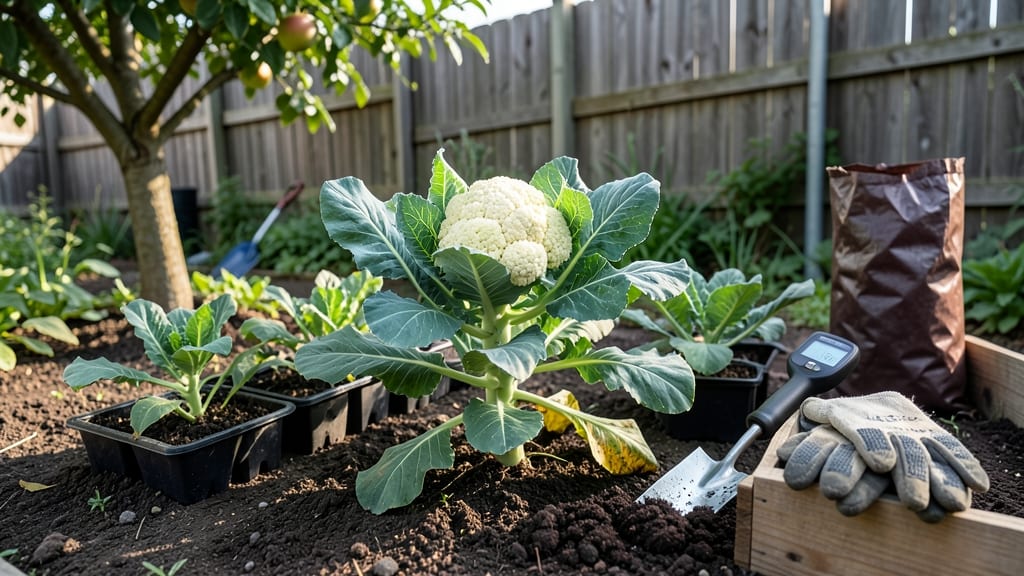
Planting cauliflower in NC at the right time means the difference between a bumper crop 🥬 and a sad, wilted disappointment.
North Carolina’s diverse climate zones—from the Piedmont’s mild winters to the Coastal Plain’s unpredictable frost—can make timing a guessing game. Plant too early, and frost will ruin your crop; too late, and summer heat will stunt growth.
If you’ve ever watched your seedlings shiver under a late frost or bolt in the heat, you know how critical the window is. The best planting months depend on your USDA zone, whether you’re growing early or late varieties, and even your local microclimate.
In this guide, I’ll break down the exact frost-free dates for your region, the best varieties for NC’s climate, and how to adjust your schedule for maximum yields—so you can finally stop second-guessing and start harvesting.
NC frost zones and ideal cauliflower planting windows by month
North Carolina spans USDA zones 7a to 8b, creating dramatic differences in frost timing across regions. The Coastal Plain (like Wilmington) often sees last frosts by March 15, while the Mountains (Asheville) can linger until April 15.
These variations mean your cauliflower planting windows must align with your exact microclimate—or risk frost damage or stunted growth.
Cauliflower thrives in cool weather (50°F–75°F), making spring and fall the ideal seasons. In NC, spring planting starts 6–8 weeks before your last frost date, while fall planting should begin 3–4 months before first frost.
Let’s break down the exact months for your region, plus how to adjust for early/late varieties.
📌 PRO TIP: Use row covers to extend spring planting by 2–3 weeks in colder zones (7a–7b), or opt for heat-tolerant varieties like ‘Cheddar’ for summer planting in zone 8b.
For zone 7a–7b (Piedmont/Mountains), start indoor seeds in January for a March transplant. Coastal Plain gardeners in zone 8a can direct-sow as early as mid-February, but protect seedlings with frost cloth if nights dip below 40°F.
Fall planting is trickier—aim for August in zone 8a or July in zone 7a to ensure heads mature before first frost. Use fast-maturing varieties (e.g., ‘Early Snowball’) if your season is short. Avoid planting after September 1 in colder zones, as days shorten and temperatures drop too quickly.
🌡️ TEMPERATURE CHECK: Soil should be at least 40°F for transplanting; use a soil thermometer to confirm. If nights are still chilly (50°F), wait 1–2 weeks or use black plastic mulch to warm the soil faster.
In zone 8b (e.g., Raleigh), you can attempt a summer crop in June using shade cloth to protect plants from heat stress. Choose heat-tolerant varieties like ‘Cheddar’ and harvest by early September before temperatures rise again.
Always monitor your local frost forecast via the NC State Climate Office or NOAA. A light frost (28°F) can damage young plants, while a hard frost (24°F) will kill them outright. If frost is predicted, cover plants with row fabric or a lightweight blanket.
Pro tip: Mark your planting dates on a garden calendar and adjust yearly based on your observations. NC’s climate shifts—what worked in 2023 might fail in 2024 due to unpredictable weather patterns. Stay flexible and be ready to protect your crop when needed!
Best cauliflower varieties for NC’s climate and their unique planting needs
North Carolina’s cool mountain air and humid coastal breezes create a perfect stage for growing cauliflower—but only if you pick the right variety. Cold-hardy types like ‘Snowball Y Improved’ thrive in Piedmont’s early springs, while heat-tolerant varieties such as ‘Cheddar’ handle Coastal Plain summers better.
Each needs a tailored approach to avoid bolting or frost damage.
Your USDA zone (7a-8b) dictates timing: Mountain regions (zone 6b) can plant 2-3 weeks earlier than Coastal Plain areas (zone 8a). For example, ‘Purple of Sicily’—a late-summer favorite—needs August sowing in Raleigh but July planting in Asheville. Let’s break down the best varieties and their exact needs.
| Variety | Cold Tolerance | Heat Tolerance | Planting Window (NC) | Days to Maturity | Succession Tip |
|---|---|---|---|---|---|
| Snowball Y Improved | ❄️ High (30°F+) | ☀️ Low (bolts at 85°F) | Feb 15–March 15 (spring) / Aug 1–15 (fall) | 70–80 days | Plant every 2 weeks for staggered harvests |
| Purple of Sicily | ❄️ Moderate (35°F+) | ☀️ Moderate (tolerates 90°F) | March 1–April 15 / Aug 15–Sept 1 | 80–90 days | Use row covers for early spring protection |
| Cheddar | ❄️ Low (40°F+) | ☀️ High (thrives in heat) | March 15–April 30 / Sept 1–15 | 60–70 days | Best for late summer; mulch to retain moisture |
| Graffiti | ❄️ Moderate (35°F+) | ☀️ Moderate (color-stable in heat) | Feb 20–March 30 / Aug 10–Sept 10 | 75–85 days | Stagger plantings for multi-colored harvests |
For extended harvests, try succession planting with ‘Snowball Y Improved’. Start your first batch indoors 6–8 weeks before your last frost date, then plant outdoor batches every 2 weeks until mid-April.
This ensures a steady supply from May through June. In fall, repeat the process starting in August for October harvests.
If you’re in Coastal NC (zone 8a), focus on heat-tolerant varieties like ‘Cheddar’ and plant late summer batches after the July heatwave. Use drip irrigation to prevent bolting during 90°F+ days.
For Mountain regions (zone 6b), prioritize early cold-hardy types like ‘Snowball Y’ and protect seedlings with row covers until soil warms to 45°F.
Pro tip: Blanch the heads of ‘Purple of Sicily’ by tying outer leaves over the purple curds 2–3 days before harvest. This keeps the color vibrant and sweet. For ‘Cheddar’, harvest when the orange head is firm—don’t wait for it to turn yellow, or the flavor bitters.
🌱