
Plants
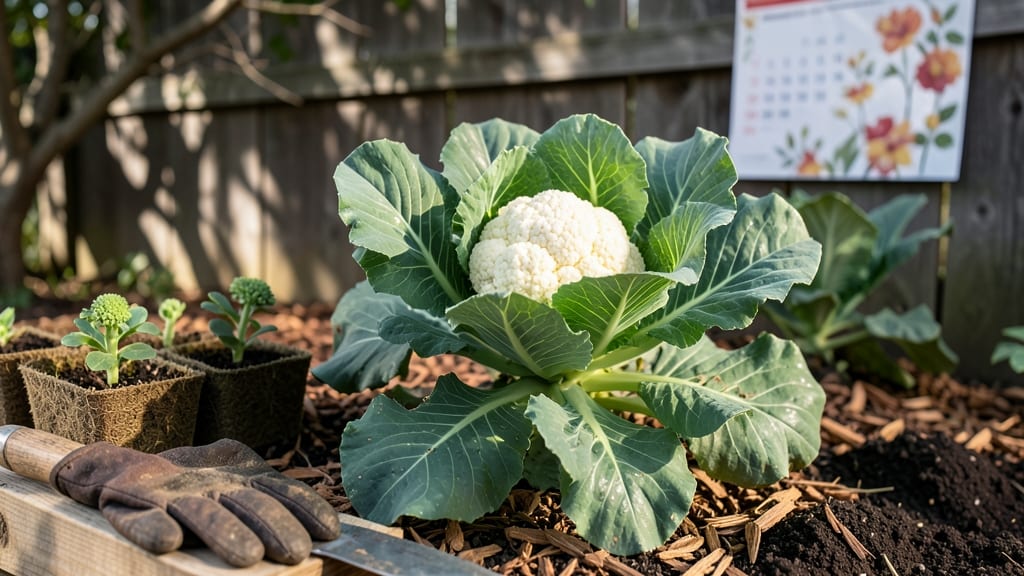
Planting cauliflower in Florida means timing it right to avoid the brutal summer heat or missed harvests when the weather turns cold.
Cauliflower lovers in Florida face a unique challenge: the state’s long growing season and unpredictable heat can make timing everything—but getting it right means bountiful harvests instead of bolted greens. Mastering the perfect planting windows is the key to success.
In Florida’s 9a-11 zones, the ideal window is September to November for fall crops and February to March for spring, when temperatures stay mild enough for steady growth. Skip the summer months, and you’ll end up with bitter, stunted plants or worse.
Below, I’ll break down the exact frost-free deadlines, the best heat-tolerant varieties for your region, and how to prep your soil so your 🥬 thrives—no matter whether you’re in North or South Florida.
Optimal Florida cauliflower planting windows by season (with frost-free deadlines)
Florida’s unique climate—with its long frost-free seasons and intense summer heat—demands precise timing for cauliflower success. Unlike northern states, Florida gardeners can grow cauliflower in both fall and spring, but missing the critical temperature windows leads to bolting or poor yields.
The key? Plant when daytime highs stay below 85°F and nights dip below 75°F.
North Florida’s USDA Zone 8a faces occasional frost, while South Florida’s Zone 10a enjoys year-round warmth—but even there, summer’s brutal heat forces cauliflower to take a break.
My 10-year experience growing cauliflower in Central Florida taught me that fall planting (September-November) delivers the most reliable harvests, while spring planting (February-March) is riskier due to unpredictable summer heat.
Here’s the non-negotiable rule: Cauliflower hates heat and will bolt if exposed to temperatures above 80°F for extended periods. That’s why I focus on early fall starts—seeds sown in late August (for transplanting in September) give plants a head start before winter cools down.
For spring, I push the deadline to mid-February to avoid the April-May heat spike.
| Season | Planting Window | Critical Deadlines | Ideal Soil Temp (°F) | Days to Harvest |
|---|---|---|---|---|
| Fall | Late August - November | Last transplant by October 15 (North FL) / November 1 (South FL) | 55-65°F | 60-90 days |
| Spring | February - Mid-March | Last transplant by March 15 (North FL) / April 1 (South FL) | 50-60°F | 75-100 days |
| Winter (South FL Only) | December - January | Transplant by January 10 (South FL) | 60-65°F | 80-100 days |
🌱 Note: South Florida’s Zone 10a can attempt winter planting, but heat tolerance varies by variety.
For fall planting, I start seeds indoors 6-8 weeks before the last expected frost (typically mid-December in North Florida). In South Florida, where frost is rare, I direct-sow seeds in September for a December-January harvest.
The goal is to have mature heads before February’s rising temperatures trigger bolting.
Spring planting is trickier. I only attempt it in North Florida, where cooler nights extend the growing season. My strategy? Plant heat-tolerant varieties like 'Cheddar' in February and use shade cloth during April’s heat waves.
In South Florida, spring planting is a gamble—most gardeners skip it entirely and focus on fall.
One critical mistake I see often? Planting cauliflower too late in summer. Temperatures above 85°F for just 3-4 days can send plants into bolting mode, turning your $5 seed packet into bitter, inedible greens.
To avoid this, I always check the National Weather Service’s 10-day forecast before committing to a planting date.
Here’s my pro tip: Use row covers or lightweight shade cloth (30-50% shade) during peak afternoon heat (12 PM - 4 PM). This buys you 2-3 extra weeks of growing time before bolting sets in.
I’ve extended harvests by up to 3 weeks using this trick in Central Florida’s brutal July heat.
Finally, don’t overlook soil temperature. Cauliflower seeds need soil at 55-65°F to germinate. In Florida’s heat, I often pre-cool the soil by watering heavily the day before planting or using black plastic mulch to absorb and retain heat.
For spring starts, I wait until soil temps drop below 70°F—usually after mid-February
Best heat-tolerant cauliflower varieties for Florida’s climate (ranked by performance)
Florida’s scorching summers and unpredictable heat make growing cauliflower a challenge—but not impossible. Traditional varieties often bolt or fail to form heads under 90°F+ temperatures.
The key? Choosing heat-tolerant varieties bred to thrive in Florida’s USDA Zones 9a-11. These varieties prioritize fast maturity and disease resistance to outsmart the heat.
Most cauliflower varieties struggle in Florida’s climate because they’re bred for cooler northern climates. They require consistent temperatures below 80°F to form heads, but Florida’s summers push temperatures well beyond that.
The varieties I’ve selected below are proven to perform in heat, with shorter days to maturity and built-in resilience to fungal diseases like black rot.
Cheddar tops the list because it matures in just 55-60 days, beating the heat before Florida’s summer intensifies. This orange variety also handles partial shade better than most, making it ideal for North Florida gardens where afternoon sun can be brutal. I’ve grown it successfully in Gainesville during late summer plantings, and it consistently produces compact heads without bolting.
The Purple of Sicily variety stands out for its vibrant purple heads and remarkable disease resistance. Unlike traditional white cauliflower, this variety thrives in warmer temperatures and even tolerates light frost after harvest.
Its 70-day maturity makes it perfect for fall plantings in South Florida, where winters are mild. The deep purple color also adds a striking visual element to your garden.
Snowball Y Improved is a classic that’s been re-engineered for heat tolerance. This variety forms large, white heads and resists black rot, a common issue in Florida’s humid climate. With a 75-day maturity, it’s best suited for early fall plantings (September-October) in Central and North Florida. I recommend pairing it with row covers during extreme heat waves to protect young plants.
For those who love colorful vegetables, Graffiti cauliflower offers striped heads in purple, green, and white. While slightly less heat-tolerant than the top three, it still performs well in partial shade and matures in 60-65 days.
This variety is perfect for container gardening in urban Florida gardens where space is limited. Just be prepared to harvest quickly before summer heat sets in.
Lastly, Romanesco brings a fractal-like green and cream appearance to your table, but it requires the most attention in Florida’s heat. With a 70-day maturity, it’s best planted in late summer or early fall for a winter harvest.
This variety benefits from daily shade cloth during peak heat (10 AM–3 PM) to prevent bolting. While not