
How To
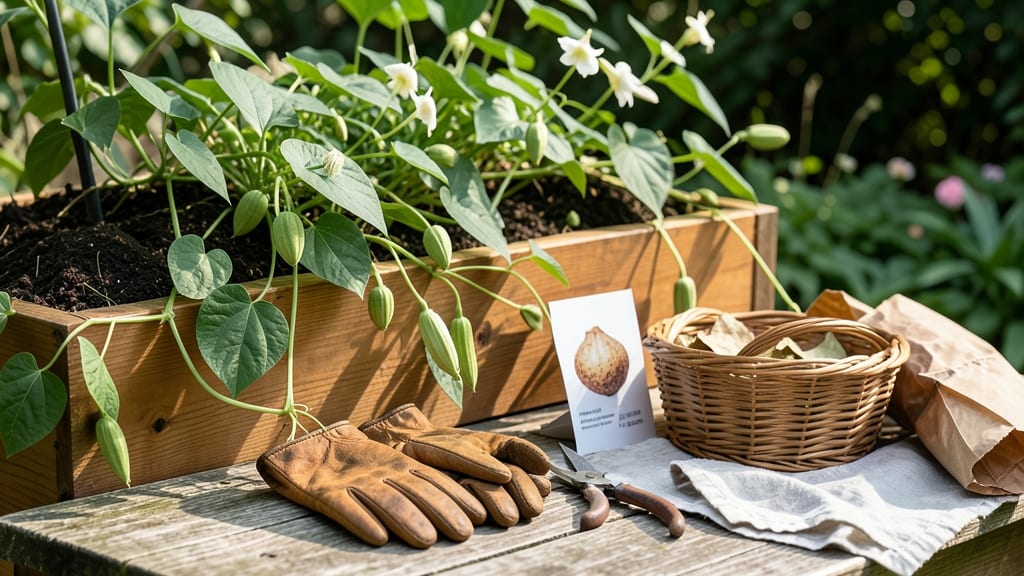
Harvesting moonflower seed pods at the right time ensures you capture viable seeds for next season’s garden, and missing the window means wasted effort.
Picture this: your 🌙 moonflower vines are heavy with pods, but you’re not sure if they’re ready. Too early, and the seeds won’t germinate; too late, and they’ll scatter on their own. The key is knowing those 3 subtle signs that tell you it’s time to act.
Season matters too—late summer to early fall is your best shot in Zone 6a, when pods mature after the blooms fade. But timing isn’t just about the calendar; it’s about the color, texture, and sound of the pods themselves.
Below, I’ll walk you through how to spot the perfect moment, avoid common mistakes, and even store your seeds for planting. No more guesswork—just perfect harvests every time.
3 Visual signs moonflower seed pods are ready for harvest
Harvesting moonflower (Ipomoea alba) seed pods at the right moment ensures high germination rates and saves you from wasted effort. The key lies in watching for three distinct visual cues that signal peak ripeness.
These signs transform your seed pods from green and firm to ready for collection, guaranteeing healthy seeds for next season's planting.
First-time harvesters often struggle to distinguish between premature pods and those that are overripe. A missed window means seeds either won't sprout or lose viability. By focusing on these three physical indicators, you'll know exactly when to act for the best results.
🌾 Moonflower Seed Pod Harvest Checklist
- 1. Color Change: Pods shift from green to light brown (like dried parchment). Avoid harvesting if they're still green or yellowish.
- 2. Texture Test: Gently squeeze the pod—it should feel dry and papery, not moist or squishy. Overripe pods become brittle and may crack open naturally.
- 3. Seed Rattle: Shake the pod near your ear—seeds should rattle loudly inside. No sound means seeds aren't mature enough for collection.
Pro Tip: Harvest on a dry morning after dew has evaporated to prevent moisture damage to seeds.
Timing your harvest based on pod color is the first critical step. When moonflower seed pods turn from vibrant green to a light tan or brown hue, they're ready for collection. This color shift typically occurs in late summer to early fall, depending on your climate zone.
Don't rely solely on color—texture is equally important. A ripe moonflower pod should feel lightweight and dry to the touch, almost like crumpling parchment paper.
If you press gently and feel any moisture or resistance, the pod isn't ready yet. This tactile check helps avoid harvesting seeds that won't germinate properly.
The seed rattle test is my favorite indicator because it's foolproof. Hold a mature-looking pod between your fingers and give it a gentle shake. You should hear a distinct rattling sound from the seeds inside.
This confirms the seeds have fully developed and are ready for collection. If you don't hear anything, wait another 2-3 days before checking again.
One common mistake gardeners make is harvesting overripe pods that have already split open. While the seeds inside might still be viable, they're more susceptible to disease and pests. Always harvest before the pod naturally opens to maximize seed quality and quantity for your next planting season.
For best results, collect moonflower seed pods in a paper bag or envelope to allow airflow while preventing moisture buildup. Store them in a cool, dry place for 1-2 weeks to complete the drying process before long-term storage.
Proper drying at this stage significantly improves germination rates when you're ready to plant.
Remember that moonflowers are fast-growing annuals, so their seed pods mature quickly once the flowers fade. Paying attention to these three visual cues will help you time your harvest perfectly and ensure you have healthy seeds for next year's garden.
The effort pays off with stunning night-blooming flowers that return year after year.
🌱
Best time of day and season to harvest moonflower seeds
Timing is everything when harvesting moonflower seed pods. These delicate pods spoil quickly if left too long on the vine or harvested too early. For optimal seed viability, focus on two critical factors: seasonal windows and daily timing.
In temperate climates, aim for late summer to early fall (August–October), while tropical zones can extend harvesting into early winter due to warmer conditions.
Daily timing matters just as much. Harvesting in the morning hours (before 10 AM) is ideal because it allows pods to dry naturally throughout the day.
Evening harvests risk trapping moisture inside pods, which can lead to mold or premature seed spoilage. Always prioritize dry, sunny conditions to preserve seed quality.
Climate zones dramatically affect harvest windows. In USDA Zones 8-10, moonflowers often produce seeds later into fall, while cooler Zones 5-7 may see earlier harvests due to frost risks. Tropical climates (Zones 11-12) can extend harvesting until early winter, but watch for sudden rain showers that can ruin exposed pods.
| Climate Zone | Best Harvest Season | Optimal Daily Time | Key Risks to Avoid |
|---|---|---|---|
| Temperate (Zones 5-7) | Late August–early October | Morning (6–10 AM) | Early frost, overripe pods |
| Warm (Zones 8-10) | September–November | Morning (7–11 AM) | Humidity, fungal growth |
| Tropical (Zones 11-12) | October–early December | Late morning (9–12 PM) | Sudden rain, heat stress |
For maximum seed viability, avoid harvesting during or after rain. Wet pods are prone to mold and won’t dry properly, even if they look ripe. If you must harvest after rain, spread pods on a dry, shaded surface for 24 hours to air-dry before storing.
Never harvest when dew is still present on pods—this guarantees poor seed quality.
Pay close attention to pod texture when selecting harvest times. In humid climates, pods may appear dry but still contain moisture. Test by gently squeezing a pod—if it feels slightly squishy, wait another day.
The goal is completely dry, papery pods that rattle when shaken, signaling perfect harvest readiness.
Once you’ve mastered timing, store seeds in a cool, dry place (50–60°F) to maintain viability for up to 2 years. Label seed packets with the harvest date to track freshness. With the right timing, you’ll enjoy healthy moonflower regrowth season after season.