
Propagation
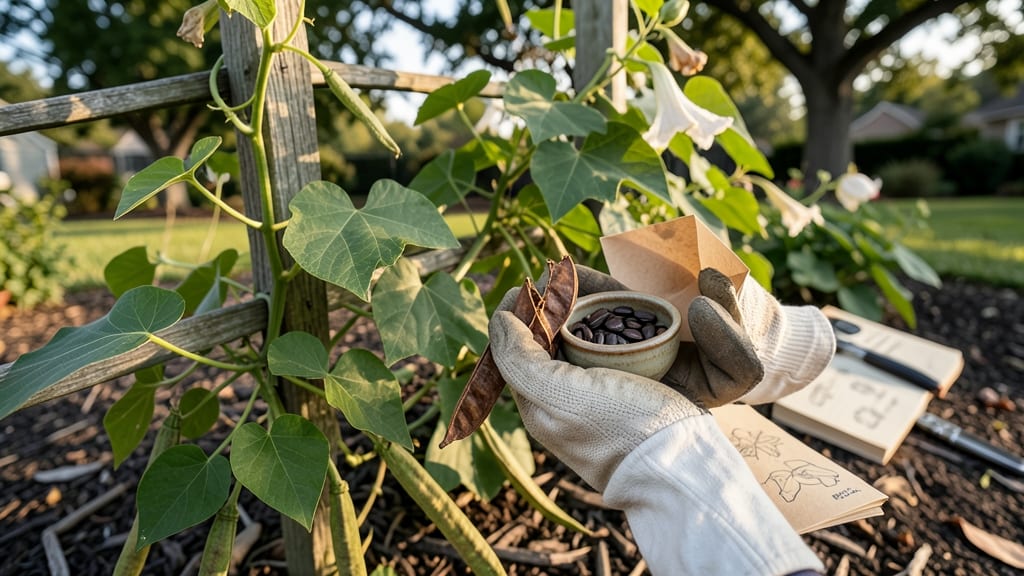
To harvest moonflower seeds at their peak germination potential, wait until the pods turn fully brown and begin splitting open—usually 2-3 weeks after flowering.
Moonflowers (Ipomoea alba) are a gardener’s dream—fragile, fragrant, and fleeting—but their seeds hold the key to next year’s enchanting blooms. Timing your harvest wrong can mean poor germination or wasted effort, so when exactly should you collect these delicate pods for maximum success?
These nocturnal beauties 🌙 produce seeds in pods that dry out quickly once mature, making the window for collection tight. Harvest too early, and the seeds won’t be viable; wait too long, and they’ll scatter across your garden before you can collect them.
In this guide, I’ll walk you through the best time to harvest, how to tell when seeds are ready, and the simple steps to store them for planting next season—so you can enjoy another season of those magical night-blooming whites.
Best time to harvest moonflower seeds for maximum germination
Moonflowers (Ipomoea alba) produce their seeds in delicate pods that require precise timing to harvest. Collecting too early means immature seeds with low viability, while waiting too long risks losing them to birds or weather.
The ideal harvest window falls when pods turn fully brown and dry, typically 2-3 weeks after flowering, but understanding the seasonal cues is key.
Moonflowers bloom in late summer, usually between July and August in most USDA zones. Their white, nocturnal blooms close by midday and reopen at night, signaling the start of the seed maturation process.
Pay close attention to your local climate—cooler temperatures and shorter daylight hours accelerate pod drying, while humid conditions can delay maturity.
Here’s how to identify perfectly ripe pods before they split open naturally:
| Pod Stage | Color | Texture | Sound | Action |
|---|---|---|---|---|
| Immature | Green | Firm, plump | None | Wait 2-3 weeks |
| Mature (Ready) | Brown | Dry, papery | Rattles when shaken | Harvest immediately |
| Overripe | Gray/brown | Brittle, splitting | Seeds scatter | Missed harvest |
For maximum germination rates, aim to harvest moonflower seeds in late August to early September in most climates. In warmer zones (like USDA 9-10), pods may mature as early as July, while cooler regions (USDA 5-6) might extend the window to early October.
Always check pods daily during this period—overripe pods split open, releasing seeds to the ground or attracting wildlife.
Weather plays a critical role in seed viability. Harvest during dry, clear days to prevent mold growth on freshly collected pods. If rain is forecasted, prioritize harvesting 24-48 hours ahead to avoid damp conditions.
Store pods in a well-ventilated, dry location (like a paper bag) until you can process the seeds further.
Moonflower seeds are light-sensitive, meaning they require exposure to light to germinate. When harvesting, avoid damaging the outer pod membrane, as this can block light from reaching the seeds.
Gently twist or cut open mature pods to release seeds without crushing them—whole, undamaged seeds germinate at rates up to 85%.
If you miss the harvest window, don’t despair! Moonflower seeds can remain viable for 1-2 years if stored properly in a cool, dark, dry place (like a sealed container with silica gel).
However, germination rates drop significantly after the first year, so timing is still your best ally for strong, healthy starts the following season.
For gardeners in shorter growing seasons, consider starting moonflower seeds indoors under grow lights 4-6 weeks before the last frost. This gives you a head start on the 90-120 day growth cycle needed to produce mature pods.
Just ensure your indoor setup mimics full sun conditions (6+ hours of light daily) to encourage flowering.
One common mistake is waiting until pods split open naturally. By then, seeds may have already been scattered by wind or animals. Instead, harvest pods when they’re fully brown but still intact, then spread them on a clean, dry surface to finish drying for 1-2 days before storage.
🌙 Final Tip: Label your seed packets with the harvest date and store them in paper envelopes (not plastic) to prevent moisture buildup. With the right timing and care, your moonflower seeds will deliver next summer’s magical nocturnal blooms.
Step-by-step guide to collecting and storing moonflower seeds
Once you’ve identified your moonflower seed pods as fully mature, the next critical step is harvesting them correctly to preserve seed viability. Moonflower seeds are delicate and must be handled with care to avoid damage or premature germination.
The process involves gentle collection, proper drying, and careful storage—each step directly impacts whether your seeds will sprout next season.
Start by gathering a few essential harvesting tools to make the process smoother. You’ll need pruning shears or sharp scissors, a small paper bag or envelope for collecting seeds, and a flat surface for drying.
Avoid using plastic bags, as they trap moisture and encourage mold growth. The goal is to mimic natural drying conditions while preventing contamination.
Step-by-Step Harvesting Process
-
Step 1: Identify Mature Pods
Look for fully brown, dry pods that rattle when shaken. Avoid pods that are still green or partially cracked open. -
Step 2: Harvest Gently
Use pruning shears to snip pods from the vine, leaving a small stem attached. Place pods immediately in a paper bag to prevent moisture buildup. -
Step 3: Dry the Pods
Spread pods on a flat surface in a well-ventilated area away from direct sunlight. Allow them to dry for 7-10 days until completely crisp. -
Step 4: Extract Seeds
Once dry, gently squeeze the pods to release seeds. Remove any debris or chaff using a fine mesh sieve or by hand. -
Step 5: Store Seeds Properly
Place seeds in a paper envelope or airtight container with a silica gel packet to absorb moisture. Label with the harvest date and store in a cool, dark place.
After extracting the seeds, the final step is long-term storage. Moonflower seeds can remain viable for 2-3 years if stored correctly. Use paper envelopes or small glass jars with tight-sealing lids, but avoid plastic containers, which trap humidity.
Store seeds in a cool pantry or refrigerator to slow down moisture loss and prevent mold.
Label each storage container with the harvest year and moonflower variety (if applicable). This helps track seed age and ensures you plant the freshest seeds first. For example, if you harvest in September 2024, label it clearly to avoid confusion when replanting in spring 2025.
To test seed viability before planting, perform a simple water float test. Place a few seeds in a glass of water—viable seeds will sink, while empty or damaged ones will float. This quick check saves time and ensures you’re not wasting effort on non-viable seeds.
With these steps, your moonflower seeds will stay fresh and ready to grow into next year’s breathtaking night-blooming vines. Proper handling now means a flourishing garden later—just imagine the fragrant white blooms lighting up your evenings once again! 🌙