
Aphids
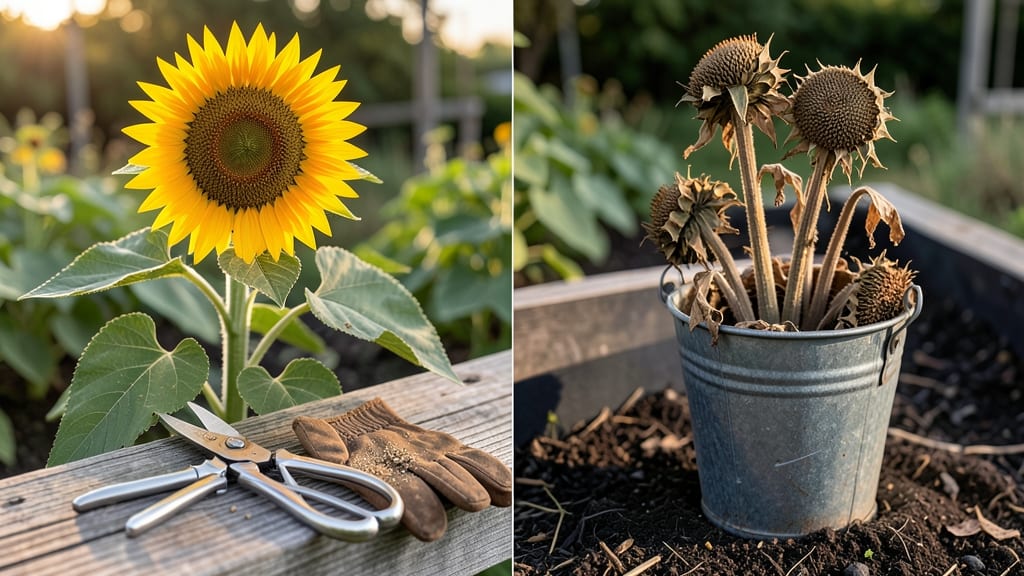
Cutting down sunflowers at the wrong time can mean wasted seeds or even plant disease—but timing it right ensures you get the best from your 🌻 harvest.
Sunflowers bring joy to gardens, but cutting them down at the wrong time can mean wasted seeds or even plant disease. Timing matters more than you think!
For seed harvesting, wait until the back of the flower head turns brown and the petals droop—usually July to October, depending on your variety. Cutting too early means immature seeds, while waiting too long risks seed loss to birds or pests.
In colder regions like USDA Zone 6a, aim to cut before the first frost hits—typically by late October. Leave a few stalks standing for birds, and always sterilize your tools to prevent spreading disease. Here’s how to do it right.
The perfect timing to cut down sunflowers for seed preservation
Harvesting sunflower seeds at the right time ensures you save high-quality seeds for next year's garden. Cutting too early means immature seeds, while waiting too long risks seed loss to birds or disease. The key is watching for visual maturity cues that show seeds are ready for harvest.
Most sunflower varieties take 70-120 days to reach seed maturity, depending on the type. Early bloomers like 'Teddy Bear' may be ready in 60-80 days, while giant varieties like 'Mammoth' can take up to 120 days. Understanding your specific variety's timeline helps you plan your harvest schedule.
🌻 Visual Maturity Cues: The back of the flower head turns from green to brown or tan, and the petals droop or fall off. The seed head should feel firm and heavy when lifted, and seeds should rattle when shaken gently.
| Maturity Stage | Visual Cues | Action | Best Time |
|---|---|---|---|
| Early Flowering | Petals fully open, vibrant yellow | Leave standing | N/A |
| Seed Development | Petals begin drooping, seed head turns brown | Monitor daily | Late summer |
| Full Maturity | Petals fallen, seed head dry and firm, seeds rattle | Cut and dry seeds | Early fall (before frost) |
| Overripe | Seed head splits open, seeds scattered | Too late; discard | Late fall/winter |
🌾 Pro Tip: Leave 1-2 sunflowers uncut for birds to enjoy!
For early blooming varieties, timing your harvest in late August to early September works best. These sunflowers mature faster and may even finish before the first frost in warmer climates. Late bloomers, like 'Russian Giant', often need harvesting in September or October.
Regional differences matter too. In warmer climates (Zones 8-10), sunflowers may mature earlier, while in cooler zones (3-6), they might need extra time. Always aim to harvest before the first frost, as frost can damage seeds and reduce viability.
When cutting sunflowers for seeds, use clean, sharp pruners to avoid crushing the seed head. Cut the stem 2-3 inches below the flower head and hang the heads upside down in a dry, well-ventilated area for 1-2 weeks to fully dry. This prevents mold and ensures seeds stay viable.
If you're unsure whether seeds are ready, perform the "shake test". Hold the seed head over a dark surface (like a black bag) and shake gently. If seeds fall easily, they're ready. If they don't, wait 2-3 more days before checking again.
Saving seeds from sunflowers is rewarding, but don't forget to leave some for wildlife. Birds like goldfinches and chickadees rely on sunflower seeds as a food source. Cutting down just half your plants ensures you still provide for local birds while securing seeds for your garden.
Once seeds are fully dry, remove them from the flower head and store them in a paper envelope or breathable container in a cool, dry place. Properly stored seeds can remain viable for 3-5 years, making them a cost-effective way to grow sunflowers year after year.
How to tell when sunflowers are ready for disease prevention
Overripe sunflowers can become a breeding ground for fungal infections like powdery mildew or bacterial diseases such as stem rot. When you ignore these signs, your entire garden could be at risk.
The key is recognizing when your sunflowers have passed their prime and need immediate removal to protect neighboring plants.
Look for yellowing petals that start to droop and fall off naturally. This is nature's way of signaling the plant has completed its life cycle. If you see dark spots or fuzzy growth on stems or leaves, that's a clear warning sign of mold or mildew.
These issues spread quickly, especially in humid conditions, so don't wait to act.
🚨 When to Cut Down Sunflowers for Disease Prevention
Remove sunflowers showing 3+ signs of overripeness or disease:
- All petals fallen or yellowed
- Stem feels soft or mushy
- Seed head shows black/brown mold
- Leaves have white powder (mildew)
Action: Cut stems 1 inch above ground and remove from garden immediately. Do NOT compost infected plants.
Start by checking the stem base for signs of rot or discoloration. Healthy stems should be firm and upright, while diseased ones may feel spongy or emit a foul odor.
If you notice blackened areas or oozing sap, these are clear indicators that the plant is compromised and needs removal.
Don't forget to inspect the seed heads for signs of infestation. If you see small holes or chewed seeds, pests like squirrels or birds may have already feasted. While this isn't a disease, it's still a sign the plant has outlived its usefulness in your garden's ecosystem.
After removing diseased sunflowers, sterilize your tools with rubbing alcohol to prevent cross-contamination. Then, consider adding a layer of mulch around your remaining plants to create a barrier against spores. This simple step can make a big difference in keeping your garden healthy.
Timing is everything when it comes to preventing disease spread. In humid climates, act faster—within 24-48 hours of noticing symptoms. In drier areas, you may have slightly more time, but don't delay beyond 3-5 days once signs appear. Your garden will thank you!