
Pruning
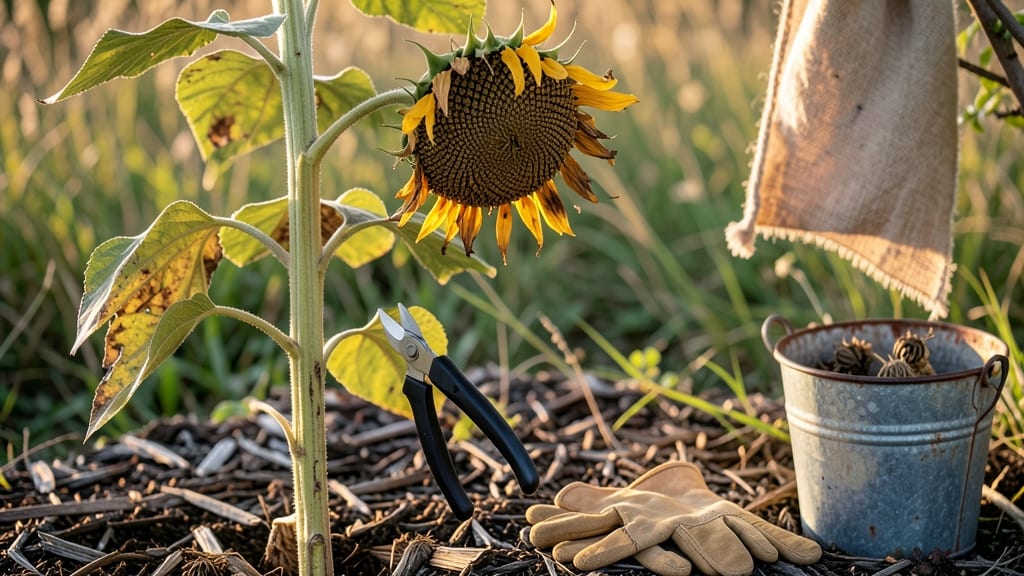
Cutting your sunflower heads off at the right time ensures high-quality seeds for next year’s garden — and waiting too long means losing them to birds or frost.
Picture this: you’ve waited months for your 🌻 sunflowers to bloom, only to realize the seeds are already gone or too dry. The key is timing—cut too early, and seeds won’t mature; wait too late, and you’ll miss the harvest window entirely.
In USDA Zone 6a, the best time to cut sunflower heads is when the petals wilt and the back turns brown, usually between July and September. But there’s more to it than just watching the calendar—humidity, bird activity, and frost risk all play a role.
Below, I’ll walk you through the exact steps to harvest, dry, and store your sunflower seeds—plus common mistakes that ruin seeds and how to avoid them. Let’s make sure your hard work pays off!
The exact stage to cut sunflower heads for best seed quality
Timing is everything when harvesting sunflower heads for seed saving. Cut too early, and your seeds won’t germinate properly; wait too long, and you risk losing them to birds or frost. The ideal harvest window occurs when the petals wilt but before the seed head turns completely brown.
This stage ensures maximum seed viability and germination rates up to 90%. Pay attention to both visual cues and environmental factors to lock in the perfect moment.
Start by checking the center disk of the sunflower head. When it turns from green to deep brown, seeds inside are mature and ready for harvest. Gently squeeze the back of the head—if seeds rattle like marbles, that’s your signal.
This usually happens 70-100 days after planting, depending on your sunflower variety. Missing this window means lower-quality seeds or wasted effort.
| Stage | Visual Cues | Environmental Factors | Action |
|---|---|---|---|
| Early Flowering | Petals fully open, vibrant yellow | Warm days, no frost risk | Wait 2-3 weeks |
| Seed Maturity | Petals wilted, center disk brown | Dry weather, 50-70°F | Harvest immediately |
| Overripe | Petals fallen, head fully brown | Cold nights, bird activity | Seeds may shatter |
| Frost Risk | Frost forecast within 3 days | Temperature drop below 32°F | Harvest heads immediately |
Frost is your biggest enemy when saving sunflower seeds. If a frost warning appears in your area, harvest heads immediately—even if they’re not fully mature. Seeds can still germinate if dried properly, though germination rates may drop to 70-80%.
Always prioritize speed over perfection when frost looms. Use a sharp pruning shear to cut stems 2-3 inches below the head to prevent moisture buildup during drying.
Birds are another threat, especially in late summer. If you notice squirrels or birds pecking at your sunflower heads, act fast. Cover heads with breathable mesh bags or harvest them immediately. The best time to cut is on a dry, sunny morning when dew has evaporated.
This reduces the risk of mold growth during the drying process. Never leave harvested heads sitting in humid conditions for more than 24 hours.
Pay close attention to the seed color inside the head. Mature seeds should be plump and cream-colored, not shriveled or black. If you crack open a seed and find it green or hollow, it’s not ready.
This often happens if you harvest too early or if the plant didn’t receive enough sunlight or water during flowering. Always aim for full maturity to ensure the best germination rates.
One common mistake is waiting until the petals fall off completely. By then, seeds may have already shattered or been eaten by wildlife. The ideal moment is when petals are partially wilted but still attached.
This gives you the best balance between seed maturity and head integrity. Use a small notepad to track the maturity stages of multiple sunflower varieties—some mature faster than others.
For tall sunflowers (6+ feet), consider using a step stool or ladder for safe harvesting. Never stretch or strain—sunflower stems can be surprisingly brittle when mature. After cutting, hang heads upside down in a well-ventilated, dry space (like a garage or shed) for
Step-by-step guide to harvesting and drying sunflower heads
Once you’ve identified the perfect harvest stage for your sunflower heads, the next step is cutting and drying them properly. This process ensures your seeds stay viable for next year’s garden.
Start by gathering your tools—a sharp pruning shears or garden knife, a clean bucket, and protective gloves to avoid thorns. Work on a dry, sunny day to minimize moisture and speed up drying.
Timing matters beyond just the flower’s appearance. In USDA Zone 6a or warmer, aim to harvest before the first frost, typically between late August and September. If frost threatens earlier, act quickly to save your seeds.
For cooler climates, you might extend the season slightly, but never let frost damage the heads—this ruins seed quality.
How to Harvest Sunflower Heads
- 1 Cut the heads at a 45-degree angle, leaving a 2-inch stem. Use clean, sharp tools to avoid crushing the head.
- 2 Remove petals and any remaining green foliage. This prevents mold and speeds up drying.
- 3 Hang heads upside down in a well-ventilated, dry area with 60-70°F temperatures and low humidity. A garage, shed, or even a sunny porch works well.
- 4 Dry for 2-4 weeks until seeds rattle when shaken. Check weekly to avoid over-drying or mold.
- 5 Store seeds in a cool, dry place (like a sealed jar) for up to 3 years if kept dry.
Drying conditions are critical. Aim for a low-humidity environment—high humidity (above 60%) invites mold, which can spoil your seeds. If your climate is naturally damp, consider using a dehumidifier or a fan to circulate air. Avoid direct sunlight, which can overheat the heads and crack the seeds.
Pests like rodents or insects can also target your drying sunflowers. Store heads in mesh bags or place them in a pest-proof container if you’re drying them indoors. If birds are a problem, harvest heads early in the morning when they’re less active.
Once fully dried, gently rub the seed head over a clean towel or tray to remove seeds. Discard any shriveled or discolored seeds, as they won’t germinate. Label your stored seeds with the variety name and harvest date to track their freshness for future planting.
With these steps, you’ll preserve high-quality seeds ready for next season’s garden. Happy harvesting—and may your sunflowers thrive again next year! 🌻