
Flowers
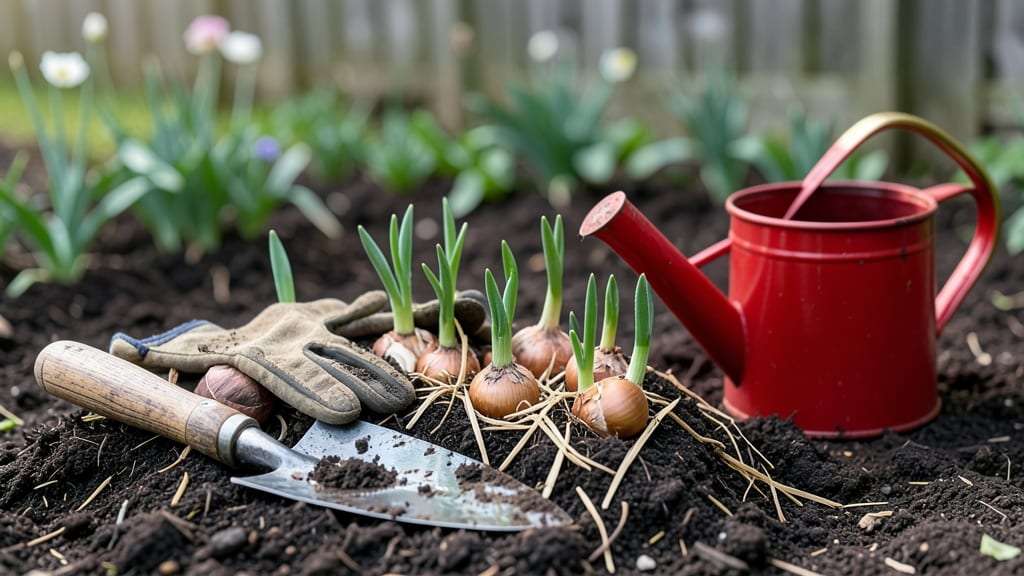
Planting flowers in spring is all about timing—wait too long, and your 🌸 Spring Flowers might miss their prime blooming window, while starting too early risks frost damage.
Spring’s fleeting window for planting flowers can make the difference between vibrant blooms and wasted seeds—timing is everything, and your USDA zone dictates when to act.
In Zone 6a, where many gardeners live, the ideal window opens after the last frost date, typically between April 15 and May. But even then, soil temperature matters just as much as the calendar.
Below, I’ll break down the exact dates for your zone, the best Spring Flowers to prioritize, and how to prep your soil for maximum success—so you can enjoy a garden bursting with color all season.
Spring flower planting dates by USDA zone: exact timing for peak blooms
Timing your spring flower planting by USDA zone ensures your seeds and transplants thrive instead of freezing or bolting too early. The average last frost date in your zone marks the starting line, but soil temperature and microclimates can shift that window by 2-4 weeks.
Early bloomers like pansies and sweet peas can handle cooler soil, while heat-lovers like petunias need warmer ground.
For precise timing, calculate your frost-free window—the number of days between the last spring frost and first fall frost. Most zones have 150-240 frost-free days, but coastal areas may stretch to 300+ days.
Use this window to schedule annuals, perennials, and bulbs for maximum bloom potential.
Here’s a zone-by-zone breakdown of ideal planting dates, adjusted for soil warmth and frost risk. Always verify your local last frost date using the National Weather Service or Old Farmer’s Almanac, as microclimates can vary even within a zone.
In Zones 3-4, where frosts linger until mid-May, focus on cold-hardy annuals like pansies and sweet peas. These flowers tolerate 40-50°F soil and even light frosts after planting. For perennials, like coneflowers or black-eyed Susans, wait until soil warms to 55°F to avoid stunted growth.
Gardeners in Zones 5-6 have the most flexibility, with a 6-week window between frost dates.
Start tender annuals like petunias indoors 6-8 weeks before your last frost, then transplant after soil reaches 60°F. Bulbs, such as tulips and daffodils, should be planted in fall (Zones 5-6: October-November) for spring blooms.
Warmer Zones 7-10 allow early planting, but avoid rushing—heat-sensitive flowers like impatiens or begonias may bolt if planted too soon. In Zone 10, where frost is rare, rotate seasonal flowers every 2-3 months to maintain continuous blooms. Always check seed packets for heat tolerance guidelines.
Pro tip: Use a soil thermometer to confirm warmth before planting. If your soil runs 10°F cooler than the zone average, delay planting by 1-2 weeks or use black plastic mulch to warm it faster. This trick adds 5-10°F to soil temperature, extending your planting window in cooler zones.
For container gardening, adjust timing by 1-2 weeks earlier—pots warm up faster than ground soil. Place containers in south-facing spots or use heat mats under pots to jumpstart germination. Just remember: watering containers daily is critical once planted, as they dry out faster.
Finally, perennial flowers like daylilies or lavender can handle a wider planting window but thrive when installed in early spring (Zones 5-8) or fall (Zones
How to adjust flower planting dates for your local microclimate
Your USDA zone gives you a starting point, but local microclimates can shift planting dates by weeks or even months. Urban heat islands, coastal winds, or high-altitude chill can all affect when your flowers thrive.
I’ve learned to adjust based on these four key factors to maximize my garden’s success.
For example, urban areas often experience 5-10°F higher temperatures than rural zones, meaning heat-loving flowers like marigolds or zinnias can go in 2-3 weeks earlier. Meanwhile, coastal gardens face delayed warming due to ocean breezes, pushing back planting by 10-14 days.
High-altitude gardens (5,000+ feet) have shorter growing seasons, so I start cold-hardy flowers like pansies or snapdragons 4-6 weeks earlier than my zone’s average. These adjustments prevent seedling loss from late frosts.
Warning: Late Frost Risks
Even after average last frost dates, unpredictable cold snaps can kill tender seedlings. Use frost cloths or row covers for 2-3 weeks post-planting in zones 3-7. Monitor your local weather alerts—I once lost 60% of my petunias in zone 6a due to a May frost.
To extend your planting window, I rely on soil warming tricks. Laying black plastic mulch 2-3 weeks before planting raises soil temps by 5-10°F, letting me plant heat-loving annuals like geraniums 10-14 days earlier.
For cool-season flowers, cloches protect seedlings from late frosts while letting sunlight through.
Coastal gardeners should also account for wind exposure. Salty air and strong breezes dry out soil faster, so I mulch heavily and choose wind-resistant varieties like cosmos or black-eyed Susans.
In my zone 7b coastal garden, I delay tender annuals by 2 weeks to avoid transplant shock from gusts.
For high-altitude adjustments, I focus on early succession planting. In zone 5 at 7,000 feet, I start hardy perennials like coneflowers indoors 8 weeks before my zone’s last frost.
This gives them a 4-6 week head start in the shorter season. I also choose dwarf varieties to mature faster.
Pro tip: Use a soil thermometer—plant when soil hits 60°F for warm-season flowers or 50°F for cool-season types. My zone 8 garden often hits these temps 2 weeks earlier than the zone average, so I adjust accordingly.
With these tweaks, you’ll turn microclimate challenges into longer bloom times! 🌱