
Flowers
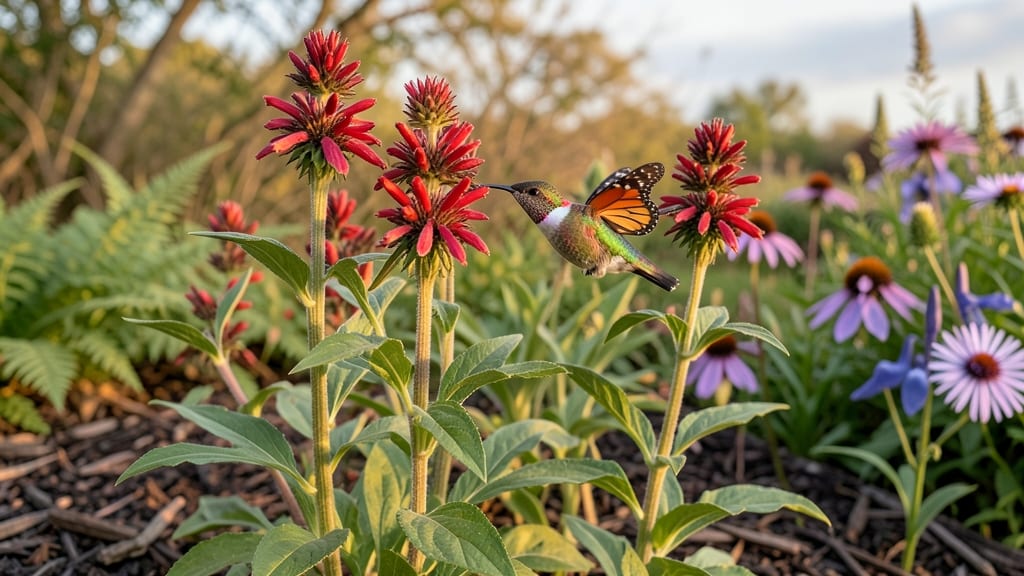
Hummingbirds like these perennial flowers that bloom reliably year after year 🌸—these vibrant, nectar-rich plants turn your garden into a nonstop buffet.
Want hummingbirds to flock to your garden every year without replanting? The secret lies in perennial flowers that thrive season after season—and these tiny pollinators adore them. Unlike annuals, perennials return stronger each spring, giving you continuous color and endless visits from hummingbirds.
But not all perennials are created equal. The best hummingbird favorites share a few key traits: bright reds, pinks, or purples, tubular shapes for easy sipping, and blooms that last from early summer through fall. Think bee balm, columbine, or cardinal flower—each one a magnet for these iridescent visitors.
In this guide, I’ll walk you through the top 10 perennial flowers that hummingbirds can’t resist, how to plant them for maximum impact, and design tips to create a pollinator paradise that keeps your garden buzzing all season long.
Top 10 perennial flowers that attract hummingbirds year-round
Creating a hummingbird haven in your garden doesn't require annual replanting. The key is selecting perennial flowers with tubular blooms and high nectar content. These tiny pollinators are drawn to vibrant colors like red, orange, and pink, but they also love purple and blue varieties.
The best part? Once established, these perennials return year after year, offering a continuous nectar source from spring through fall.
Hummingbirds have specialized long beaks and tongues perfect for accessing nectar from deep-throated flowers. Their metabolism is incredibly fast, so they need high-energy blooms that provide quick fuel.
The plants on this list have been scientifically proven to attract hummingbirds reliably, with some even blooming in early spring or late fall when other flowers are scarce.
Before we dive into the top 10 perennials, it's important to note that bloom duration and hummingbird activity vary by region. In USDA Zones 6-9, these flowers thrive best with full sun exposure (6+ hours daily) and well-draining soil.
Some varieties may require light pruning after blooming to encourage reblooming.
🌸 Comparison Table: Top 10 Perennial Flowers for Hummingbirds
| Rank | Plant Name | Bloom Color | Bloom Time | Height | Sun Needs | Key Feature |
|---|---|---|---|---|---|---|
| 1 | Bee Balm (Monarda didyma) | Red, Pink, Purple | June - September | 2-4 ft | Full Sun | Long tubular blooms, attracts butterflies too |
| 2 | Columbine (Aquilegia canadensis) | Red, Yellow, Blue | April - June | 1-2 ft | Partial Sun | Early bloomer, shade-tolerant |
| 3 | Cardinal Flower (Lobelia cardinalis) | Scarlet Red | July - September | 2-4 ft | Full Sun | Hummingbird favorite, vertical spikes |
| 4 | Butterfly Weed (Asclepias tuberosa) | Orange | June - August | 1-2 ft | Full Sun | Drought-tolerant, attracts monarchs |
| 5 | Coral Bells (Heuchera sanguinea) | Pink, Red | May - July | 1-2 ft | Partial Shade | Early nectar source, unique foliage |
| 6 | Penstemon (Penstemon digitalis) | Purple, Pink, White | May - July | 2-3 ft | Full Sun | Drought-resistant, long blooming |
| 7 | Joe Pye Weed (Eutrochium purpureum) | Pink, Purple | July - September | 3-5 ft | Full Sun | Late-season nectar, attracts butterflies |