
Flowers
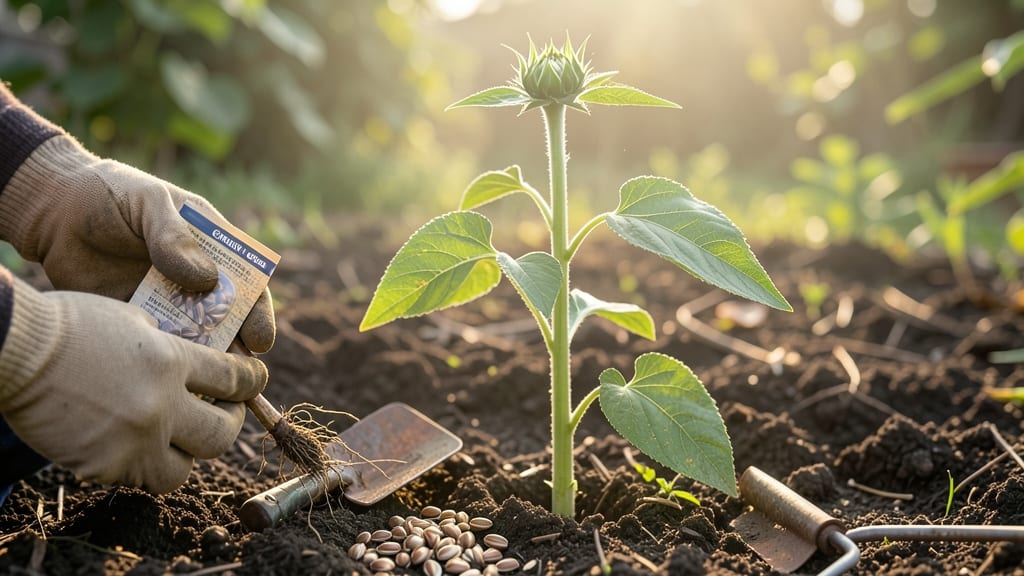
Planting sunflowers in Georgia at the right time means faster germination and bigger blooms 🌻 — aim for soil temperatures above 50°F to kickstart growth.
Georgia’s warm climate and long growing season make sunflowers a thriving choice, but timing is everything. Plant too early, and frost will stall growth; too late, and summer’s heat may shrink your blooms. Mastering the perfect soil temperature window unlocks fast germination and happier sunflowers.
In most of Georgia’s 7b-8a zones, the best window is mid-April to early June after the last frost, with a second chance in late July for fall blooms. I’ll show you how to test soil temps and adjust for your microclimate—whether you’re in the Piedmont or near the coast.
From dwarf varieties that bloom in 60 days to towering giants reaching 14 feet, I’ll break down the best sunflower types for Georgia’s heat and how to plant them for maximum impact.
Georgia sunflower planting calendar: best months by soil temperature
Georgia’s diverse climate—from the humid coastal plains to the cooler Appalachian Mountains—means sunflower planting windows vary dramatically. The key to success lies in soil temperature triggers: seeds won’t germinate below 50°F, but ideal growth kicks in at 60°F+.
Forget guessing dates—align your planting with Georgia’s microclimates for faster sprouts and bigger blooms.
In coastal Georgia (USDA Zones 8a-8b), warm soil arrives earlier, while the Piedmont region (7b-8a) and mountain areas (6b-7a) often face delayed warming. Use these soil temperature benchmarks to adjust your schedule: 50°F for germination, 60°F+ for robust growth, and 70°F+ for rapid flowering.
Here’s your Georgia sunflower planting calendar, tailored to soil temps and frost-free dates. Early varieties can handle cooler soils, while late-season types thrive in summer’s heat.
For spring plantings, coastal gardeners can start as early as mid-March when soil hits 50°F, while mountain regions should wait until mid-April to avoid frost damage. Use early varieties like ‘Moulin Rouge’ for cooler soils—they germinate at 50°F and bloom faster.
In the Piedmont, aim for late March to early June when soil temps stabilize above 55°F. This window ensures seeds germinate before summer’s heat peaks.
If you’re in North Georgia, wait until mid-April—soil temps lag behind due to higher elevations, and frost risks linger until April 15.
Don’t overlook fall planting! Georgia’s mild winters allow for a second crop. Plant late July to early September when soil stays above 65°F. Choose heat-tolerant varieties like ‘ProCut’ or ‘Russian Giant’—they handle summer’s intensity and still produce blooms before frost.
Pro tip: Use a soil thermometer to confirm temps before planting. If your soil runs 10°F below the ideal range, wait 1–2 weeks or use black plastic mulch to warm it faster. In cooler microclimates, extend your season with row covers or cold frames for early starts.
Missed the spring window? No problem! Georgia’s long growing season lets you plant sunflowers in August for fall blooms. Just space seeds 12 inches apart to prevent overcrowding as they grow taller in cooler weather. With the right timing, you’ll enjoy sunflowers from June through November.
🌻
How to test soil temperature for sunflower success in Georgia
Sunflowers love warmth, and in Georgia, getting the soil temperature just right is key to unlocking fast germination and robust growth. Most sunflower seeds need soil to reach at least 50°F (10°C) to sprout, but ideal conditions kick in at 60°F (15°C) or higher.
Without proper testing, you might plant too early and risk frost damage or too late and miss the peak blooming window.
Testing soil temperature is simpler than you think. You don’t always need a fancy soil thermometer—though they’re the gold standard. DIY methods like the candle wax test or egg timer trick work in a pinch, especially when Georgia’s unpredictable spring rains delay warming.
Let’s break down the best ways to check your soil’s readiness for sunflowers.
Step-by-Step: Testing Soil Temperature for Sunflowers
- Step 1
- Step 2
- Step 3
- Step 4
- Step 5
Georgia’s spring can be a rollercoaster—one day sunny and warm, the next chilly with rain. If your soil temperature tests below 50°F (10°C) for more than a week, consider starting seeds indoors under grow lights and transplanting once outdoor conditions improve.
This is especially useful for tall varieties like ‘Russian Giant’, which need a longer growing season.
Don’t let a few degrees hold you back! With the right tools and a little patience, you’ll nail the perfect planting window for sunflowers that burst into bloom and bring joy to your Georgia garden all summer long. Happy testing—and may your soil be ever-warm! 🌱