
Planting
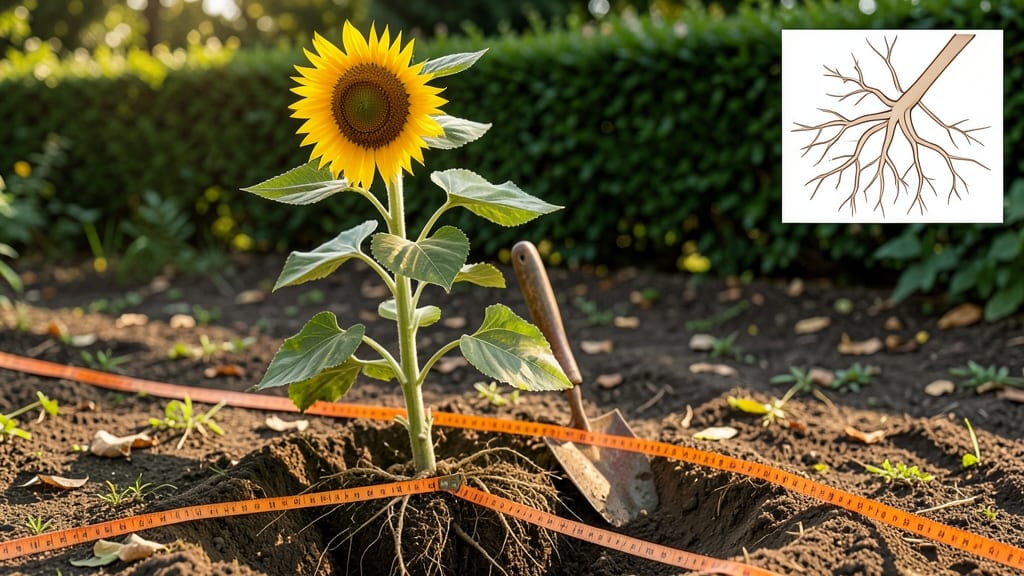
Sunflower roots grow 2 to 3 feet deep — a fact that changes everything about how you plant, water, and prepare the soil for these towering beauties.
Picture this: a 12-foot sunflower standing firm in a summer storm, its massive 🌻 head nodding but never toppling. That stability comes from roots that dig deep, anchoring the plant while also reaching for nutrients far below the surface.
But many gardeners unknowingly sabotage their sunflowers by planting too shallowly, leading to weak stems and poor growth.
Understanding root depth isn’t just about preventing floppy stems—it’s about giving your sunflowers the best shot at thriving in your climate. In this guide, you’ll discover how deep to plant for maximum stability, which soil types encourage deeper roots, and how to avoid common mistakes that leave your sunflowers struggling.
Whether you’re growing dwarf varieties for containers or giants for cutting, the secrets to deeper roots start with the right soil prep and planting technique. Let’s dig in.

Sunflower root depth by variety: how deep do giant vs. dwarf roots grow?
Sunflowers are famous for their towering stems, but what happens below the soil is just as impressive.
Their roots grow deep and extensive, reaching down to access water and nutrients. Giant varieties like 'Mammoth' can develop roots 3-5 feet deep, while dwarf types like 'Teddy Bear' stay shallower at 1-2 feet. This difference directly impacts their stability and water needs.
The deeper the roots, the more stable the plant becomes, especially in windy conditions. Tall sunflowers need that extra depth to anchor themselves, while smaller varieties rely on shallower, wider-spreading roots. Understanding these differences helps you choose the right variety for your garden space and soil conditions.
Here’s a breakdown of how root depth varies by sunflower type, including lateral spread and growth patterns:
Giant sunflowers like 'Mammoth' develop roots that can reach 5 feet deep to access moisture and nutrients, making them ideal for dry climates. Their lateral spread of 3-4 feet also helps stabilize the plant in windy areas.
In contrast, dwarf varieties like 'Teddy Bear' prioritize width over depth, spreading out horizontally to stay stable in containers or small gardens.
Root depth also affects watering needs. Deeper roots mean giant sunflowers can survive longer droughts, while dwarf varieties need frequent watering to keep their shallower roots hydrated.
This is why tall sunflowers often thrive in loamy soil that allows roots to penetrate easily, while dwarf varieties can adapt to container gardening with well-draining mixes.
If you’re growing sunflowers in clay-heavy soil, consider amending it with compost to encourage deeper root growth. For sandy soils, adding organic matter helps retain moisture, which is crucial for dwarf varieties with limited root depth.
Always plant seeds 1 inch deep—deeper planting can restrict root development, while shallower planting risks exposure.
For maximum stability, especially in wind-prone areas, choose taller varieties and ensure they have at least 2 feet of loose soil around their base. This gives roots room to spread and anchor the plant. If you
Optimal soil depth for sunflower growth: how to prepare your garden for deep roots
Sunflowers thrive when their roots have space to explore, but many gardeners underestimate how deep these roots need to go. On average, sunflower roots grow 2–3 feet deep, with some giant varieties reaching 4+ feet to support their towering stems.
Shallow planting can lead to weak stems, poor nutrient uptake, and plants that topple in wind.
To give your sunflowers the best start, focus on creating a loose, nutrient-rich soil profile that extends at least 18–24 inches deep. This isn’t just about depth—it’s about breaking up compacted layers and improving drainage.
Heavy clay soils or sandy loam can both pose challenges, but with the right amendments, you can create the perfect root environment.
Warning: Shallow Planting Kills Growth!
Planting sunflower seeds less than 1 inch deep or in soil with hardpan layers (compacted subsoil) forces roots to grow sideways. This creates weak stems that bend or snap under their own weight. Always test soil depth with a trowel or probe—if resistance occurs before 12 inches, amend the soil.
For clay-heavy soils, mix in 2–3 inches of compost or aged manure and top with a 2-inch mulch layer of straw or wood chips. This improves aeration and prevents waterlogging, which can suffocate roots.
Sandy soils, on the other hand, benefit from organic matter like peat moss or coconut coir to retain moisture and nutrients.
When preparing your garden bed, remove weeds and loosen the soil to a depth of 12–18 inches using a broadfork or digging fork. Avoid tilling too deeply, as this can disrupt beneficial soil organisms.
After loosening, create small mounds or ridges to plant seeds on, ensuring the soil around them stays moist but not soggy during germination.
Another critical tip: Space seeds properly to avoid root competition. Dwarf varieties need 12–18 inches apart, while giant sunflowers should have 2–3 feet of space in all directions. This gives roots room to spread laterally while also growing deep, creating a stable base for the plant’s impressive height.
Finally, monitor soil moisture after planting. Sunflowers need consistent watering during their first 4–6 weeks to encourage deep root development. Water deeply 2–3 times per week (or as needed) rather than shallowly, which trains roots to seek moisture below the surface.
A moisture meter can help track soil conditions at deeper levels.