
Blooming
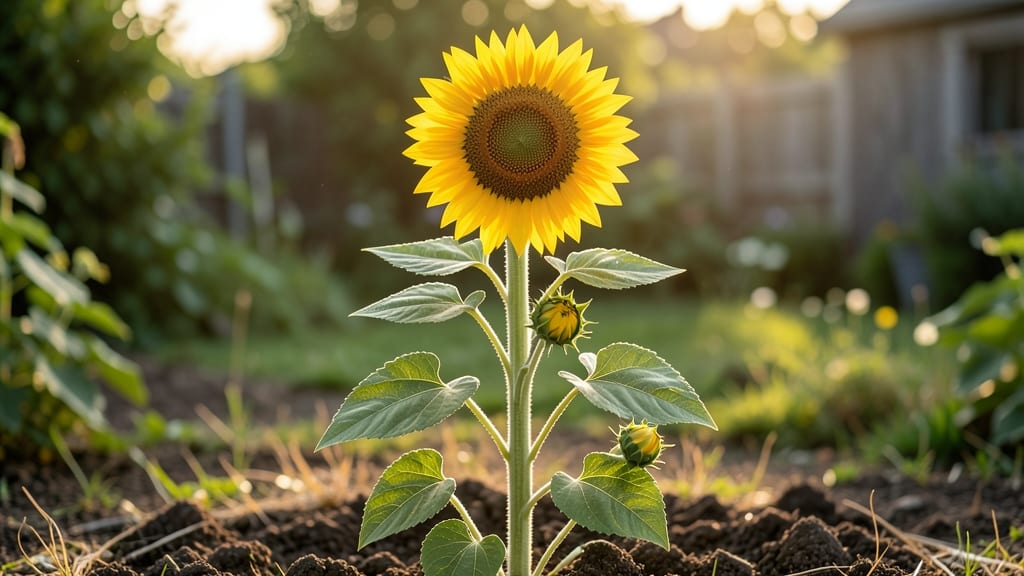
Sunflowers start to bloom anywhere from 40 to 150 days after planting, depending on the variety and growing conditions — but most gardeners miss the mark on timing because they focus on the wrong factors.
Picture this: you’ve waited months for those towering 🌻 stems to reward you with color, only to find your sunflowers still standing bare. The truth? Bloom speed isn’t just about days in the ground—it’s a mix of sunlight, soil warmth, and even the type of seeds you planted.
In this guide, I’ll break down the exact bloom windows for dwarf, standard, and giant varieties, plus the 5 key variables that can delay or accelerate flowering.
Whether you’re in USDA Zone 6a or a warmer climate, you’ll learn how to track progress from seedling to bloom and troubleshoot common mistakes.
Ready to turn those green stalks into a sunlit spectacle? Let’s dive into the science—and shortcuts—behind getting your sunflowers to open on time.
Sunflower bloom time by variety: days after planting breakdown
Sunflowers are nature’s showstoppers, but their bloom timing varies dramatically by variety. Whether you’re growing dwarf sunflowers for containers or giant varieties for cut flowers, knowing the exact days to bloom helps you plan your garden layout and harvest.
Most sunflowers are annuals, but a few perennial types exist—though they’re rare in home gardens. Let’s break down the timelines so you can predict when those golden faces will turn toward the sun.
The days to bloom depend on three key factors: variety type, climate zone, and planting season. Early bloomers like ‘Teddy Bear’ can surprise you with flowers in just 40-50 days, while towering giants like ‘Mammoth’ take 100-150 days to reach their full glory.
Even within the same variety, a northern climate might delay blooming by 2-3 weeks compared to a southern garden. Let’s dive into the specifics so you can set realistic expectations for your sunflower patch.
🌻
If you’re planting in cool climates (zones 3-5), aim for an early May planting to maximize daylight hours and warm soil temperatures. In warm climates (zones 8-10), you can extend your season by planting in late summer for fall blooms—just expect slightly slower growth due to shorter days.
For example, a 'Teddy Bear' sunflower planted in Zone 7 on May 1st will likely bloom by June 10th, while the same variety in Zone 4 might not reach bloom until June 25th.
Pro tip: Direct-sown seeds germinate faster than transplants, shaving off 5-7 days from your bloom timeline. Plant seeds 1 inch deep in well-draining soil and keep them moist until sprouts appear.
Once seedlings emerge, thin them to 12-18 inches apart (closer for dwarfs, wider for giants) to prevent competition, which can delay flowering by up to 2 weeks. Overcrowding stresses plants, diverting energy from bud formation to leaf growth.
🌱
For giant sunflowers, focus on soil fertility—these heavy feeders need phosphorus-rich soil to support their massive blooms. Work in compost or a balanced fertilizer (10-10-10) at planting, then side-dress with bone meal when stems reach 12 inches tall.
In contrast, dwarf varieties thrive in poor soil and can even tolerate container growing, making them perfect for balconies or small gardens. Their compact size also means they bolt to flower faster than their towering cousins.
One common misconception is that all sunflowers bloom at the same time. In reality, many varieties produce secondary blooms throughout the season. For instance, 'Autumn Beauty' sunflowers start with yellow flowers
5 Factors that delay or speed up sunflower blooming (and how to control them)
Sunflowers are famously fast-growing, but their bloom timing can vary wildly depending on growing conditions. While some varieties bloom in as few as 45 days, others take 120+ days to show their golden faces.
The good news? You can control these factors to either rush or optimize your sunflowers' flowering schedule.
Understanding these five key variables will help you troubleshoot delays and create ideal conditions for faster, healthier blooms. Whether you're growing dwarf varieties for containers or giant sunflowers for competition, mastering these elements puts you in the driver's seat.
- 1 Sunlight Exposure: 6+ hours daily speeds blooms by 20-30%. South-facing locations bloom 10-14 days faster than shaded spots.
- 2 Soil Temperature: Warm soil (70°F+) triggers faster germination and blooming. Cold soils (50°F) can delay by 3-4 weeks.
- 3 Watering Schedule: Deep watering every 3-4 days prevents stress. Drought conditions can delay blooms by up to 30 days in extreme cases.
- 4 Fertilizer Type: Balanced 10-10-10 at planting time boosts early growth. Over-fertilizing with nitrogen delays blooming by 15-20 days as plants focus on foliage.
- 5 Plant Spacing: 12-24 inches apart prevents competition. Crowded plants delay blooming by 2-3 weeks as they fight for resources.
Let's start with the most critical factor: sunlight exposure. Sunflowers are heliotropic plants, meaning they follow the sun's movement. This natural behavior requires full sun exposure (6+ hours daily) to trigger the hormonal changes that lead to flowering.
If your plants aren't getting enough light, their energy goes into leaf production rather than bud formation.
For faster blooms, consider using reflective surfaces like white mulch or mirrors to bounce extra light onto your plants. I've seen sunflowers in my garden bloom 10-14 days earlier when grown near a white-painted fence that reflects sunlight.
Even moving pots to sunnier locations during cloudy periods can make a difference.
Soil temperature plays a surprisingly large role in bloom timing. Sunflower seeds need soil temperatures of at least 50°F (10°C) to germinate properly, but optimal growth occurs at 70°F (21°C) or warmer.
If you're in a cooler climate, consider using black plastic mulch or planting in raised beds to warm the soil faster. This simple trick can shave 2-3 weeks off your bloom timeline.
Watering might seem straightforward, but inconsistent moisture levels can severely delay blooming. Sunflowers need deep, infrequent watering rather than light daily showers. Aim for 1-2 gallons per plant every 3-4 days during active growth.
The key is keeping the soil consistently moist but not waterlogged—this prevents stress that diverts energy away from flower production.
When it comes to fertilizer, less is often more for sunflowers. While they do need nutrients, too much nitrogen-heavy fertilizer will produce lush foliage at the expense of blooms. Instead, use a balanced 10-10-10 fertilizer at planting time and again when plants reach 12-18 inches tall.
For even faster results, try a low-phosphorus fertilizer (like 5-5-5) which encourages flowering over leafy growth.
Finally, don't underestimate the power of proper plant spacing. Sunflowers need room to develop strong stems and healthy root systems. When planted too closely (6 inches apart), they compete for nutrients and light, resulting in smaller blooms and delayed flowering.
Aim for 12-24 inches between plants depending on the variety, and watch your sunflowers reward you with earlier, more abundant blooms.