
Flowers
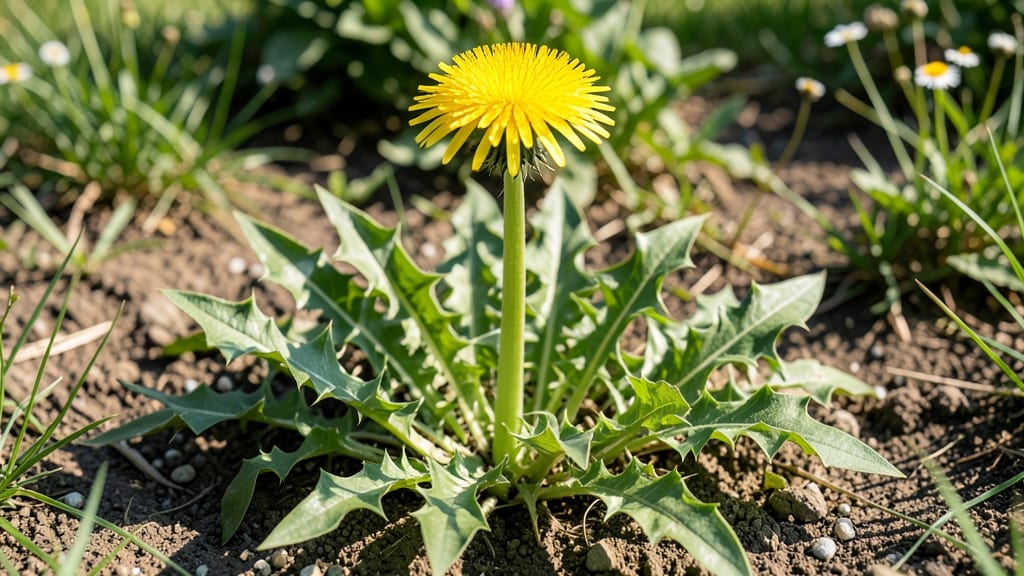
Weeds with yellow flowers spreading across your lawn aren’t just unsightly—they’re often aggressive ground covers that crowd out your plants and disrupt your garden’s balance.
Picture this: a sunny morning where your yard should be lush with your favorite perennials, but instead, you’re staring at a sea of bright yellow blooms 🌼. That’s the moment you realize these "weeds" are fighting for dominance—and they’re winning.
Identifying them early is your best defense. Some, like dandelions, might seem harmless, but others can take over quickly, smothering your garden before you know it. The good news? With the right approach, you can reclaim your space without resorting to harsh chemicals.
In this guide, I’ll walk you through 12 common yellow-flowered ground cover weeds, how to spot them, and the most effective ways to remove them—whether you prefer organic methods or targeted solutions. You’ll also learn when it’s okay to let a few thrive (yes, really!) for a healthier ecosystem.
12 Most invasive ground cover weeds with yellow flowers (identification guide)
Identifying invasive ground cover weeds with yellow flowers early can save your garden from becoming a tangled mess. These aggressive plants spread rapidly, smothering your desired plants and disrupting your landscape design.
The key to control is recognizing their unique traits—leaf shape, growth patterns, and flower structures—before they take over.
Many gardeners mistake these weeds for harmless wildflowers, but their deep root systems and prolific seed production make them formidable opponents. Let’s break down the 12 most troublesome yellow-flowered ground cover weeds you’re likely to encounter, so you can act fast and reclaim your yard.
Visual identification is your first line of defense. Pay attention to whether the weed has toothed leaves, lobed leaves, or hairy stems, as these details will help you distinguish between species. Some, like dandelions, have smooth, deeply lobed leaves, while others, like creeping buttercup, feature shiny, waxy leaves with jagged edges.
Below is a comprehensive identification guide featuring the most common offenders. Use this table to match what’s growing in your garden and learn how to tackle each one effectively.
| Weed Name | Leaf Shape | Flower Description | Growth Pattern | Key Distinguisher |
|---|---|---|---|---|
| Dandelion | Deeply lobed, toothed edges | Bright yellow, single flower heads | Rosette growth, taproot | White, fluffy seed heads |
| Creeping Buttercup | Shiny, waxy, jagged leaves | Golden-yellow, cup-shaped | Creeping stems, rhizomes | Burns skin when touched |
| Hawkweed | Basal rosette, hairy stems | Bright yellow, clustered | Forms dense mats | Stems turn red when mature |
| Oxeye Daisy | Serrated, lance-shaped | White with yellow center | Spreading via runners | White petals, not pure yellow |
| Yellow Woodsorrel | Clover-like, trifoliate | Small, bright yellow | Creeping ground cover | Leaves fold at night |
| Ground Ivy | Kidney-shaped, scalloped | Yellow, tubular flowers | Creeping, mat-forming | Pungent minty scent |
| Common Chickweed | Opposite, oval-shaped | Small, star-shaped yellow | Prostrate, sprawling | Sticky stems when crushed |
| Goldenrod | Narrow, lance-shaped | Plume-like, golden-yellow | Clumping, upright | Late-season bloomer |
| Yellow Toadflax | Narrow, lance-shaped | Bright yellow, snapdragon-like | Tall, upright stems | Self-seeding aggressively |
| Henbit | Opposite, square stems | Tiny, yellow, tubular | Creeping, winter annual | Blooms in early spring |
| Yellow Archangel | Kidney-shaped, scalloped | Bright yellow, whorled | Creeping, rhizomatous | Toxic to livestock |
How to remove yellow-flowered ground cover weeds without harming your gardenYellow-flowered ground cover weeds like creeping buttercup and dandelion don’t just steal the show—they smother your garden’s foundation. The key to removal is understanding each weed’s growth habits and choosing the right timing. Spring and early summer are ideal because weeds are actively growing but haven’t yet spread their seeds. I’ve tested these methods in my own yard, and they’ve saved my native perennials from total takeover. Before grabbing your gloves, know that not all yellow-flowered plants are bad. Some, like evening primrose, provide pollinator benefits. But if you’re dealing with aggressive spreaders, you’ll need a targeted approach. The methods I’ll share work for both chemical-free gardeners and those willing to use targeted herbicides. Always prioritize manual removal first—it’s the most eco-friendly option. ⚠️ Critical Removal Mistakes to AvoidLeaving seed heads intact guarantees next year’s infestation. Always deadhead flowers immediately after removal, and wear gloves—some weeds like creeping buttercup cause skin irritation. ✅ DO pull weeds after rain when soil is soft. ❌ DON’T use a string trimmer—it spreads seeds. For manual removal, focus on root extraction. Use a weed puller or fork to loosen deep roots—especially for bindweed, which can regrow from tiny fragments. Work in small sections to avoid missing any roots. I recommend tackling this on a cool, cloudy day to reduce plant stress and your own exhaustion. When manual methods fail, try vinegar-based herbicides. A mix of 1 gallon white vinegar, 1 cup salt, and 1 tbsp dish soap kills weeds on contact. Spray directly on leaves (avoid desirable plants!) and repeat weekly for 3 weeksbroadleaf weeds like henbit but may require multiple applications for tougher species. For persistent invaders like ground ivy, consider mulching with cardboard or landscape fabric. Block sunlight for 4-6 weeks to starve the weeds of energy. I’ve had success with wood chip mulch in perennial beds—it smothers weeds while improving soil over time. Just remember to keep mulch 2-3 inches thick for best results. Timing matters most. Early spring is perfect for pre-emergent herbicides (like corn gluten meal) to prevent weed seeds from sprouting. In late summer, focus on removing established plants before they set seeds. My fall strategy involves a final weed pull followed by composting—never let weeds compost in place where they’ll regrow. With patience and consistency, you’ll reclaim your garden’s balance. Start small, stay vigilant, and soon those yellow blooms will be wildflowers in a pollinator garden instead of unwanted invaders. Happy weeding! 🌱 |