
Flowers
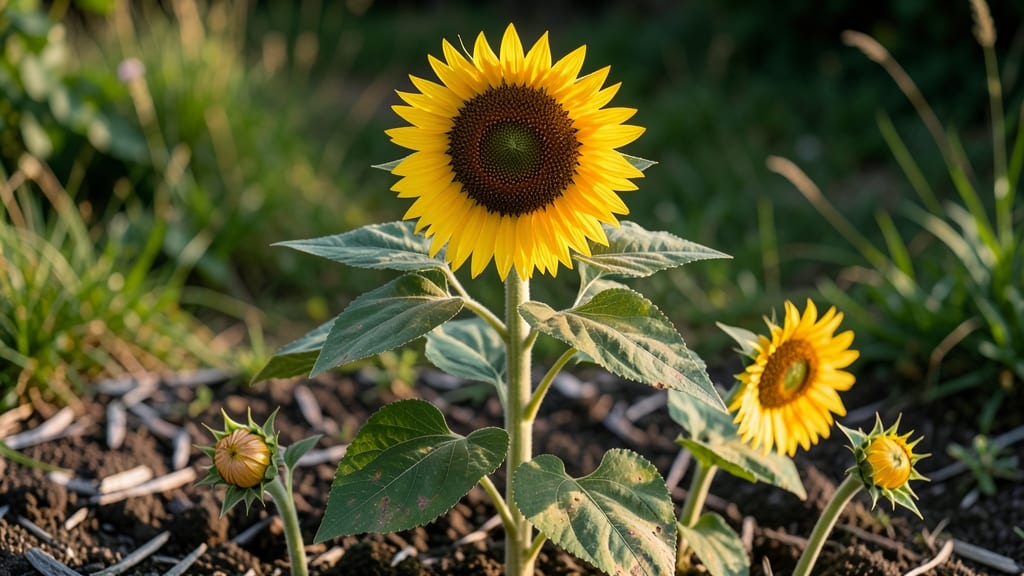
Sunflowers bloom for anywhere from 1-2 days to 2-4 weeks, depending on the variety and how you care for them—so timing your garden expectations matters more than you think.
Imagine planting a Mammoth sunflower 🌻 expecting weeks of golden glory, only to watch it wilt in 48 hours. That’s the reality for many gardeners who don’t know which varieties last longer or how simple tweaks—like deadheading or watering—can double their bloom time.
Below, I’ll break down the exact bloom duration for popular sunflower types, how climate zones (like USDA 6a) affect their lifespan, and the 3 biggest mistakes that cut blooms short.
You’ll also discover how to extend those cheerful faces by 2-4 weeks with minimal effort, plus when to harvest seeds before the petals fade for good.
Sunflower bloom duration by variety: exact days and seasonal patterns
Sunflowers are short-lived stars in the garden, with bloom durations that can surprise even seasoned gardeners. While some varieties like Teddy Bear sunflowers grace your garden for 1-2 weeks, others like Mammoth types may only shine for 1-3 days.
The difference comes down to genetics, climate, and care—factors we’ll break down to help you plan your garden for maximum impact.
Most sunflowers are annuals, meaning they complete their entire lifecycle in one season. However, a few perennial varieties (like Maximilian sunflowers) can rebloom yearly under ideal conditions.
Understanding these differences is key to choosing sunflowers that align with your seasonal goals, whether you want long-lasting cut flowers or quick summer color.
Climate plays a huge role in bloom longevity. In hot, dry climates like USDA Zone 9, sunflowers may bloom faster (sometimes just 1-2 days) due to rapid seed development.
Meanwhile, in cooler zones (6-7), blooms often last 3-7 days as the plant takes longer to transition from flower to seed. Even a 5°F temperature shift can alter bloom duration by 2-3 days.
Now, let’s cut to the chase with exact bloom durations by popular variety—because knowing these numbers lets you time your garden perfectly for continuous color or seed harvests.
If you’re planting sunflowers for cut flowers, prioritize Teddy Bear or ProCut varieties—their longer bloom windows give you more time to harvest before the petals wilt. For seed production, Mammoth types are ideal because their quick bloom cycle means faster seed maturation.
Seasonal timing matters too. Sunflowers planted in early summer (June) often bloom 2-3 weeks earlier than those sown in late spring (May). This is because cooler spring soil slows germination, delaying the entire bloom cycle.
For fall color, try sowing Autumn Beauty in late July—they’ll bloom just as summer fades into autumn.
Climate zones also shift bloom windows. In Zone 10 (hot desert climates), sunflowers may bloom 1-2 weeks earlier than in Zone 5 (cooler northern regions). If you’re in a transition zone (6-8), experiment with fall planting—some varieties like Maximilian can survive mild winters and rebloom the next season.
One common misconception is that bigger sunflowers bloom longer. In reality, tall Mammoth types often have shorter bloom periods because their energy goes into seed production.
Smaller varieties like Teddy Bear allocate more energy to petal longevity, which is why they’re the top pick for extended garden displays.
To maximize bloom duration, focus on three key factors: consistent moisture
5 Proven tips to extend sunflower blooms by 2-4 weeks
Want your sunflowers to stay vibrant longer? The secret lies in combining the right care techniques with smart variety selection. While most sunflowers bloom for 1-2 weeks naturally, these proven strategies can stretch that window by 2-4 weeks—or even longer in ideal conditions.
The key is understanding how to support their growth from the soil up.
First, let’s address the biggest misconception: not all sunflowers are created equal. Dwarf varieties like 'Teddy Bear' often bloom for 10-14 days, while tall varieties like 'Mammoth' can linger for 3-4 weeks with proper care.
Your goal should be to maximize this natural window by focusing on watering consistency, nutrient balance, and light optimization.
🌻 5 Proven Tips to Extend Sunflower Blooms
-
1. Master the Watering Schedule
Deep water 2-3 times per week during peak bloom (July-August). Avoid wetting flower heads to prevent browning petals. -
2. Deadhead Strategically
Remove wilted blooms daily to redirect energy to new buds. Use sterilized pruners to avoid disease spread. -
3. Boost Soil Nutrition
Add compost or 10-10-10 fertilizer at planting. Top-dress with bone meal (3-4-1 NPK) when buds form to extend flowering phase. -
4. Choose Late-Blooming Varieties
Opt for ProCut or Autumn Beauty varieties—they bloom 2-3 weeks later than standard types and tolerate cooler temps. -
5. Optimize Sun Exposure
Plant in full sun (6+ hours/day). South-facing beds maximize light absorption, delaying petal drop by up to 10 days.
Let’s dive deeper into the first tip: watering. Sunflowers thrive on consistent moisture, but overwatering can cause petals to yellow and drop prematurely. Aim for 1 inch of water per week, delivered in the early morning to reduce evaporation.
Mulch around the base with straw or shredded leaves to retain moisture and regulate soil temperature—this simple step can add 5-7 extra days to your blooms.
Another game-changer is deadheading. Most gardeners skip this, but removing spent blooms 2-3 times per week encourages the plant to produce secondary buds. Focus on cutting stems just above a leaf node to stimulate new growth.
Pro tip: Use a small pair of scissors for precision, and always sterilize tools with rubbing alcohol to prevent fungal infections that can shorten bloom life.
Don’t overlook the power of soil amendments. Sunflowers are heavy feeders, especially during their 6-8 week growth cycle. Before planting, mix composted manure into the top 6 inches of soil.
Then, when buds form, switch to a low-nitrogen fertilizer (like 5-10-10) to promote flowering over foliage growth. This tweak can extend your bloom period by up to 2 weeks in optimal conditions.
For the longest-lasting displays, time your planting. In USDA Zone 6a, sow seeds 2-3 weeks earlier than recommended (mid-April instead of May) to take advantage of cooler spring temps.
This delays the rapid growth phase and spreads out blooming over a longer period. Pair this with fall-planted varieties like 'Autumn Beauty' for a September-October extension.
With these strategies, you’ll transform your sunflowers from short-lived showstoppers into month-long garden highlights. The secret? Consistency in care and intentional variety selection. Start with just one tip this season—like deadheading—and watch your blooms last weeks longer than ever before. 🌻