
Blooming
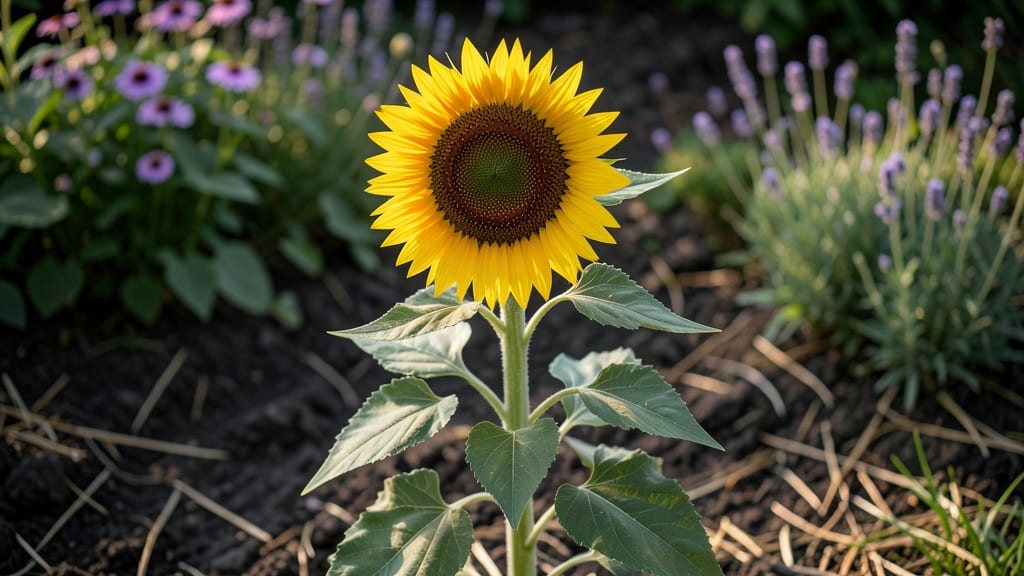
Sunflowers bloom in Texas between June and October, but the exact timing depends on your heat zone, planting window, and variety.
Picture this: you’ve spent weeks nurturing your 🌻 seedlings, only to watch them bolt into bloom too early—or worse, wait until late summer for a single flower. That’s why knowing your region’s frost dates and heat patterns is the key to a reliable harvest.
North Texas growers can expect blooms as early as June if planted in February, while South Texas varieties often peak in September or October. The difference? Heat zone and soil prep—two factors that can shift your bloom window by months.
Below, I break down the month-by-month schedule for each Texas region, plus pro tips to adjust timing for early or late seasons. Whether you’re growing giant varieties in the Panhandle or compact types in the Hill Country, you’ll find the exact strategy for your garden.
Texas sunflower bloom schedule by heat Zone & planting month
Texas sunflowers 🌻 bloom year-round in different regions, but their exact timing depends on your USDA heat zone (A-J) and planting month. Whether you're in the Panhandle (Zone A) or Rio Grande Valley (Zone J), understanding these patterns ensures you enjoy vibrant blooms from June through October.
The key is planting at the right time to align with your local frost dates and summer heat.
Sunflowers in Texas fall into two main categories: annual varieties (most common) and perennial types (like Helianthus annuus cultivars). Annuals planted in spring typically bloom 60-90 days later, while perennials may take longer but return yearly.
For example, a dwarf variety in Zone D (Central Texas) might bloom in July, while a giant variety in Zone B (North Texas) could stretch blooms until September.
Here’s how to match your heat zone to the perfect planting window for sunflowers that bloom from early summer to fall. The table below breaks down bloom timing by zone, along with optimal planting months for both annual and perennial types.
For Zone A (Panhandle), where frosts linger until mid-April, plant sunflowers by March 15 to ensure blooms by June. In Zone J (Far South Texas), you can even start seeds in January for blooms as early as March—ideal for extending your garden’s color palette.
The Central Texas (Zone D) sweet spot is March–April planting, yielding blooms from June through October.
If you’re growing perennial sunflowers, like Helianthus debilis
How to adjust sunflower blooming time in Texas: pro tips for early/late seasons
Texas gardeners know sunflowers love our heat—but getting them to bloom when you want requires strategy. The key lies in variety selection, soil prep, and light management.
In North Texas, early bloomers like 'Teddy Bear' can start flowering as early as June, while South Texas varieties like 'Moulin Rouge' may bloom until November. Let's break down how to shift those timelines to match your garden goals.
For earlier blooms, focus on cold-hardy varieties and extended-season techniques. In Zone 7a-8a (North Texas), plant dwarf varieties like 'Sunspot' in late February to bloom by June.
For later blooms, use heat-tolerant varieties and succession planting in Zone 9a-10b (South Texas) to enjoy flowers until fall frost. The right approach depends on your local heat zone and microclimate.
Soil preparation makes all the difference. Amend your garden beds with compost or aged manure to improve drainage in clay-heavy soils (common in East Texas).
For sandy soils (like those in West Texas), mix in organic matter to retain moisture. pH levels between 6.0-7.5 ensure optimal nutrient uptake, which directly impacts bloom timing.
Light manipulation is another game-changer. If you're in a shadier microclimate (e.g., under trees in Hill Country), choose tolerant varieties like 'ProCut'. For full-sun spots, use reflective surfaces like white plastic mulch to bounce extra light onto plants.
This trick can advance blooming by 2-3 weeks in North Texas gardens.
Don't overlook succession planting—this is how I extend my sunflower season from June to October. In South Texas, I plant every 2 weeks from March to May, ensuring continuous blooms.
For North Texas, stagger plantings in late February and early April to catch both spring and summer blooms. This method works especially well with dwarf varieties, which mature faster.
Finally, watch for heat stress in South Texas during summer months. If temperatures exceed 95°F, provide afternoon shade with lightweight shade cloth (30-50% shade). This prevents flower drop and ensures later-season blooms stay vibrant until fall frost.
With these tips, you'll have sunflowers blooming exactly when you want them—whether that's for early summer cut flowers or fall harvests.