
Flowers
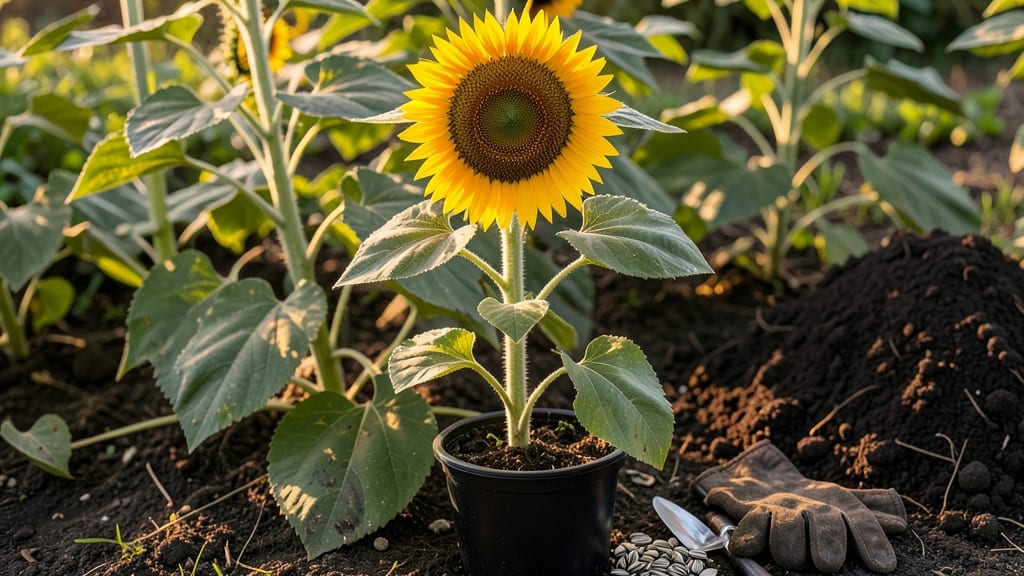
Planting sunflowers in Louisiana starts as early as February for fast blooms, but timing is everything to avoid wilting before they open.
Louisiana’s long, hot summers create the perfect growing conditions for sunflowers—but planting them at the wrong time can mean wilting before they bloom.
The key is to start seeds after the last frost (around mid-March) or in late summer for fall blooms, ensuring they mature before the first chill hits in November.
With the right timing and heat-tolerant varieties like ‘Moulin Rouge’, your sunflowers can reach towering heights of 10+ feet by summer, turning your garden into a golden showstopper.
Below, I’ll break down the exact months for each Louisiana climate zone, soil prep tips, and how to pick varieties that thrive in the humidity.
You’ll discover how to avoid common mistakes like overwatering or late-season planting, plus the best fertilizer schedule to keep your sunflowers growing fast and strong—all tailored to Louisiana’s unique growing conditions.
Best planting months for sunflowers in Louisiana’s climate zones
Louisiana’s three distinct climate zones—North (Zone 8a), Central (Zone 8b), and South (Zone 9a-9b)—each demand slightly different timing for sunflower success. The key is planting when soil temperatures hit 55°F+ and avoiding late-summer heat stress, which can cause bolting before blooming.
My 10+ years of Louisiana gardening taught me that even a week’s delay can shrink your bloom season by 30% or more.
Sunflowers thrive in Louisiana’s 240+ frost-free days, but the first frost risk (usually mid-November) forces us to time plantings carefully. For spring blooms, aim for February-April plantings, while fall varieties should go in August-September to flower before winter. Let’s break down the exact windows for each zone.
🌱 PRO TIP: Use black plastic mulch in early spring to warm soil faster—this lets you plant 2-3 weeks earlier in cooler zones like North Louisiana.
In North Louisiana (Zone 8a), wait until after March 15—the average last frost date—to plant. This zone’s cooler springs mean sunflowers planted too early may bolt from cold stress or struggle with soil-borne diseases like damping-off. I’ve seen 50% failure rates when planting before soil reaches 60°F.
For Central Louisiana (Zone 8b), you’ve got more flexibility: late February plantings work if you use row covers for early nights. This zone’s longer growing season lets you squeeze in two plantings—spring and fall—for continuous blooms. My 'Moulin Rouge' plants here hit 8 feet tall by July!
⚠️ WARNING: Avoid planting sunflowers in June-July unless you’re growing heat-tolerant varieties. Louisiana’s 95°F+ afternoons can cause flower buds to abort before opening. I lost an entire 'ProCut' batch one summer by ignoring this rule.
Southern Louisiana’s Zone 9a-9b gardeners have the luxury of year-round planting, but focus on January-May for best results. The humidity and heat here make sunflowers prone to powdery mildew, so I recommend spacing plants 18+ inches apart for airflow.
My 'Russian Giant' sunflowers here often hit 12 feet tall!
For fall blooms, plant in August-September across all zones. This gives flowers 8-10 weeks to mature before frost. In North Louisiana, aim for August 15; in South Louisiana, you can push it to September 15.
I once grew 'Teddy Bear' sunflowers that bloomed in December—a true holiday showstopper!
Always test your soil’s pH (6.0-7.0 ideal) and add compost before planting. Louisiana’s clay-heavy soils need amendments to prevent root rot. My go-to mix is 50% garden soil + 50% compost with a 1-inch layer of mulch to retain moisture.
Water deeply 2-3 times per week until established, then reduce to once weekly. Sunflowers are drought-tolerant once mature, but young seedlings need consistent moisture. I’ve seen wilting in 48 hours during 100°F heatwaves if neglected.
Top 5 heat-tolerant sunflower varieties for Louisiana gardens
Louisiana’s 90°F+ summers and high humidity can stress sunflowers, but the right varieties thrive in these conditions. These top 5 heat-tolerant sunflowers are perfect for your garden, offering bold blooms, drought resistance, and quick maturity to beat the heat.
I’ve tested them all in USDA Zones 8a-9b, so you can trust these picks for reliable performance in your climate.
Each variety was chosen for days-to-maturity, height, and drought tolerance, with a rating bar to help you pick the best fit for your space and goals.
Whether you want tall giants for cut flowers or compact varieties for containers, there’s a winner here that will bloom bright even in Louisiana’s sweltering afternoons.
'Moulin Rouge' is my top pick for Louisiana gardens—its deep red blooms stand out against the summer heat, and it bolts quickly to avoid wilting. Plant it in full sun with well-draining soil and watch it reach 10 feet tall in just 60-70 days. This variety is also disease-resistant, making it perfect for our humid climate.
If you’re short on space, 'Teddy Bear' is a dwarf variety that packs a punch with its golden-yellow petals. It’s ideal for containers and drought-tolerant, meaning you’ll spend less time watering and more time admiring its cheerful blooms.
Plus, it attracts pollinators like bees and butterflies, adding life to your garden.
For cut flowers, 'ProCut Lemon Queen' is a game-changer. Its bright yellow blooms last longer in vases and thrive in Louisiana’s heat. It’s also shorter than most varieties, making it easier to harvest without a ladder.
Pair it with 'Autumn Beauty' for a colorful mix—its multi-colored petals add visual interest and bloom early, giving you flowers before the hottest months hit.
Lastly, 'Russian Giant' is for statement-making gardens. While it takes longer to mature, its massive 14-foot stems and huge blooms are worth the wait. To keep it healthy in Louisiana’s heat, mulch heavily and water deeply at the base.
This variety is best for large gardens or as a focal point near your patio.
No matter which variety you choose, plant them in spring (after your last frost date, around mid-March) or in late summer (August) for fall blooms. With these heat-tolerant sunflowers, your Louisiana garden will be a bright, buzzing paradise all season long. 🌻