
Flowers
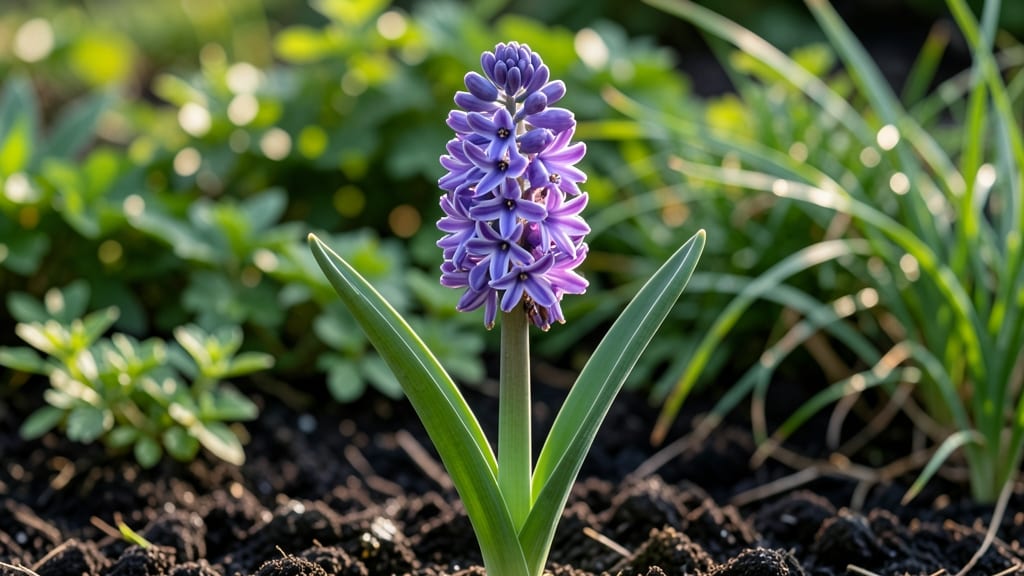
Hyacinths flower in late winter to early spring 🌷, turning your garden into a fragrant, colorful spectacle when timed just right.
If you're eager to add vibrant bursts of color but timing is everything, knowing when hyacinths flower could mean the difference between a stunning spring display and missed blooms. These fragrant favorites thrive on precision—so let's unlock their secret bloom windows by USDA zone and variety.
In USDA Zone 6a (like where I garden), most hyacinths burst into bloom between April and May, but early varieties can start as soon as March, while late ones may linger into June. The key? Planting in fall—between September and November—sets the stage for perfect timing the following spring.
Beyond the calendar, factors like sunlight, soil, and even your chosen color variety can shift bloom dates. Below, I’ll break down how to predict—and even extend—your hyacinths’ show-stopping season, so you’re never left waiting for that first sweet scent.
Hyacinth bloom timeline by USDA hardiness Zones: when to expect flowers
Timing your hyacinth blooms depends heavily on your USDA hardiness zone and the specific variety you plant. In colder zones like Zone 3-5, expect fragrant blooms as early as late March, while warmer Zones 8-10 may see flowers stretching into May or June.
Understanding these windows helps you create a sequential spring display with minimal effort.
Hyacinths are cool-season bulbs that need 6-8 weeks of chilling before blooming. This means planting in fall (after first frost) sets the stage for spring flowers. The key is matching your local frost dates with the right variety timing—early bloomers need earlier planting than late-season types.
🌷
| USDA Zone | Early Varieties | Mid-Season Varieties | Late Varieties |
|---|---|---|---|
| Zone 3-5 | Late March - Early April | Mid-April - Early May | Early May - Mid-May |
| Zone 6-7 | Early April - Mid-April | Mid-April - Late April | Early May - Mid-May |
| Zone 8-9 | Late February - Early March | March - Early April | April - Early May |
| Zone 10 | January - February | February - March | March - April |
In Zones 3-5, where winters are harsh, hyacinths often bloom 3-4 weeks earlier than in milder Zones 8-10. This delay happens because cooler soils and shorter daylight hours in northern climates speed up flowering once the bulbs sense spring's approach.
For example, 'Woodstock' (white) typically blooms in late March in Zone 4 but waits until early April in Zone 7.
Climate plays a critical role in bloom timing. Warmer winters in Zones 8-10 can cause delayed or inconsistent blooming if bulbs don't get enough chill hours.
To fix this, plant hyacinths in containers and move them to a garage or cold frame for 8-10 weeks of chilling before transferring outdoors in fall. This trick works wonders for Zone 9-10 gardeners who want reliable spring color.
For sequential blooming, mix early, mid, and late varieties in the same bed. Start with 'Jan Bos' (purple, early) in Zone 5 (blooms late March), followed by 'City of Harlem' (red, mid-season) in April, and end with 'Pink Pearl' (late) in May.
This creates a 3-4 week extension of fragrant color without extra work.
Adjust your planting depth slightly based on your zone. In Zones 3-5, plant bulbs 6 inches deep to protect them from freeze-thaw cycles, while Zones 8-10 can use 4-5 inches to prevent overheating in winter.
Always use well-draining soil to avoid rot, which can delay or prevent blooming entirely.
Watch for bud swelling in late winter—this is your cue that blooms are 4-6 weeks away. In Zone 6, for example, buds may appear in February, with flowers opening by late March.
If buds don't swell by mid-March in your area, check for poor drainage or overcrowded bulbs, which can stunt growth.
Pro tip: Deadhead spent blooms but leave foliage until it yellows. This ensures the bulb stores enough energy for next year's flowers. In Zones 3-5, where summers are hot, mulch around hyacinths in June to preserve moisture and encourage stronger fall regrowth for another round of blooms.
If your hyacinths bloom late or not at all, consider replanting in a sunnier spot. These bulbs need 6+ hours of sunlight daily—even partial shade can delay flowering by 2-3 weeks.
For container growers, place pots near south-facing windows or under grow lights to compensate for limited outdoor space.
With the right variety selection and planting strategy, you can enjoy hyacinth blooms from January to June, depending
Top 5 hyacinth color varieties and their ideal flowering months
Hyacinths burst into color with fragrant blooms that transform early spring gardens. Each color variety has its own peak flowering time, letting you plan a sequential bloom display from late winter through early spring.
I’ve grown these beauties for years, and timing is everything—especially when you want a continuous color show.
Selecting the right hyacinth colors isn’t just about aesthetics; it’s about strategic planting to extend your garden’s vibrancy. For example, purple varieties often bloom earliest, while yellow types tend to linger longer. Let’s dive into the top 5 colors and their ideal flowering windows.
Hyacinth Color Varieties: Bloom Timing Guide
✅ Pros of Each Variety
- Purple ('Annette'): Earliest bloomer (Feb-March), classic fragrance
- White ('Carnegie'): Brightens dark gardens, blooms March-April
- Pink ('Pink Pearl'): Soft contrast, blooms March-April
- Blue ('Delft Blue'): Vibrant hue, blooms April-May
- Yellow ('City of Haarlem'): Late bloomer (April-May), bold statement
❌ Cons to Consider
- Purple: Can attract bees aggressively (may need netting)
- White: Fades quickly in full sun (best in partial shade)
- Pink: Shorter stems (6-8 inches, needs support)
- Blue: Rare color, harder to find bulbs
- Yellow: Needs extra warmth to bloom reliably
For a garden that blooms nonstop, I recommend mixing early purple ('Annette') with late yellow ('City of Haarlem'). The purple blooms arrive in February-March, while the yellow varieties shine in April-May. This creates a 3-4 week color transition without gaps.
If you love soft pastels, the pink 'Pink Pearl' variety is a must. It blooms in March-April and pairs beautifully with white hyacinths ('Carnegie') for a romantic garden look. Just remember: pink varieties have shorter stems, so plant them near low-growing perennials like heuchera or ajuga.
Blue hyacinths like 'Delft Blue' are rarest and most striking, but they need full sun to maintain their vibrant hue. These bloom in April-May, making them perfect for late-season color when other bulbs fade.
I’ve found they pair best with dark foliage plants like black mondo grass.
Yellow hyacinths like 'City of Haarlem' are bold and cheerful, but they require extra care. Plant them in well-draining soil and a sheltered spot to prevent wind damage. Their April-May bloom time makes them ideal for Easter gardens or spring weddings.
To maximize your hyacinth display, plant bulbs in layers: deepest for late bloomers (yellow), shallower for early varieties (purple). This sequential blooming trick ensures your garden stays colorful from February through May—no boring gaps! 🌷