
Flowers
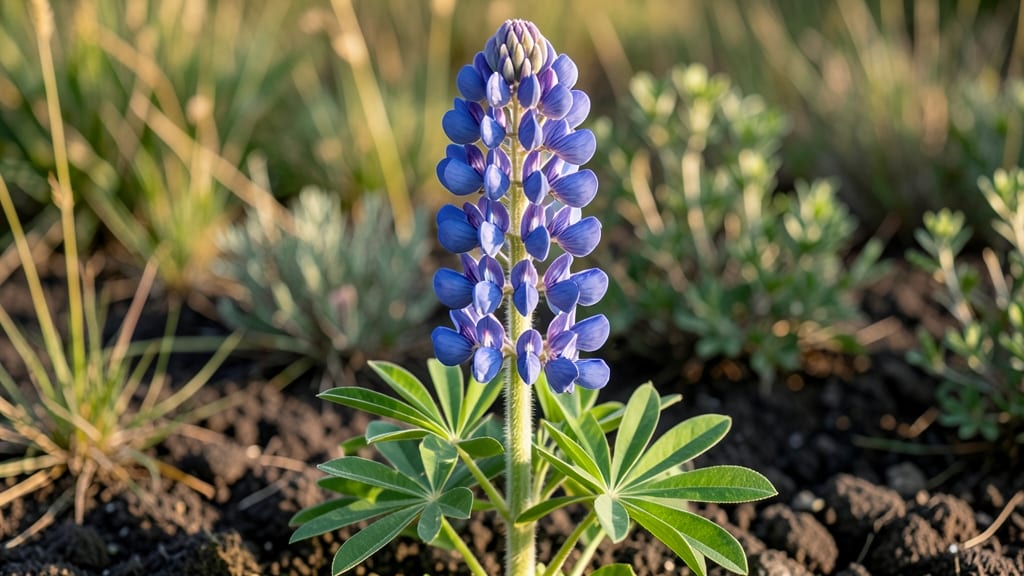
Lupins flower for anywhere from 2 weeks to 2 months, depending on the variety and how well you care for them — and that window of vibrant color can feel like a gift in a spring garden.
If you’ve ever admired the striking, colorful spikes of lupins in bloom, you’ve probably wondered: How long do these floral showstoppers last? The answer depends on the variety, growing conditions, and seasonal timing — making it crucial for gardeners to plan for their fleeting but spectacular display.
Most lupins, like the classic Russell Hybrid or Ashbury varieties, peak for 4–6 weeks under ideal conditions, but some dwarf types may only bloom for 2–3 weeks. Meanwhile, perennial lupins can extend their show if given the right care, especially in cooler climates like USDA Zone 6a.
Below, I’ll break down exactly how long your lupins 🌸 will stay in bloom, what factors can shorten or lengthen their flowering, and simple tips to keep those colorful spikes coming back year after year.
Lupin flowering duration by variety: from 2 weeks to 2 months
Lupins are one of the most dramatic annuals in the garden, but their flowering duration varies dramatically by variety. Some stunning spikes last just 2 weeks, while others bloom for up to 2 months with proper care.
The key difference lies in whether they're annual or perennial lupins, as well as their specific hybrid lineage.
Annual lupins like Russell Hybrid typically produce longer-lasting blooms (6–8 weeks) compared to shorter-lived perennials. Meanwhile, Ashbury varieties often deliver reblooming potential under ideal conditions. Understanding these differences helps you choose lupins that align with your garden's seasonal timeline and care capacity.
| Variety | Type | Bloom Duration | Rebloom? | Peak Season |
|---|---|---|---|---|
| Russell Hybrid | Annual | 6–8 weeks | No | Late spring to summer |
| Ashbury | Perennial | 4–6 weeks | Yes (with care) | Early summer |
| Myristica | Annual | 3–4 weeks | No | Summer |
| Russell | Annual | 4–5 weeks | No | Late spring |
| Sunset | Perennial | 8–10 weeks | Yes (partial) | Summer to early fall |
The Russell Hybrid lupin stands out as the longest-lasting annual, offering 6–8 weeks of continuous blooms when grown in full sun with well-draining soil. This makes it ideal for gardeners who want a prolonged floral display without the need for reblooming efforts.
Its tall spikes (4–6 feet) also make it perfect for cut flower arrangements.
If you're looking for reblooming lupins, the Ashbury variety is your best bet. While its initial bloom lasts 4–6 weeks, deadheading spent flowers can encourage a second flush of blooms later in the season. This makes Ashbury lupins a great choice for extended seasonal interest in perennial gardens.
For gardeners with limited space, shorter varieties like Myristica lupins offer 3–4 weeks of vibrant color but stay under 3 feet tall. These are perfect for container gardening or small beds where height isn't a concern.
Their compact growth habit also makes them easier to protect from strong winds.
One common misconception is that all lupins bloom for the same duration. In reality, perennial lupins like Sunset can outlast annual varieties by 2–4 weeks when given proper care. Their ability to rebloom partially makes them a low-maintenance option for gardeners who want longer seasonal color without replanting.
To maximize lupin bloom duration, focus on three key factors: sunlight exposure, soil fertility, and consistent moisture. Lupins thrive in 6+ hours of direct sun daily and well-draining, slightly acidic soil.
Overwatering can shorten bloom time, so aim for deep watering 2–3 times per week during their active growing season.
Another pro tip: Deadhead spent blooms regularly to redirect the plant's energy toward new flower production rather than seed development. This simple technique can extend bloom duration by 1–2 weeks in many varieties, especially Ashbury and Sunset lupins.
Just be sure to wear gloves when handling lupin plants, as their fine hairs can irritate skin.
For gardeners in cooler climates (USDA zones 3–5), lupins often bloom earlier in the season (late spring) compared to warmer zones (6–9), where blooms may extend into early fall.
This seasonal shift means timing your planting is crucial for maximizing bloom duration. Sow seeds 4–6 weeks before your last frost date for optimal results.
If you're planning a lupin-themed garden, consider mixing varieties to stagger bloom times. For example, pair Russell Hybrid (longer bloom) with Myristica (shorter but earlier bloom) to create a continuous display from late spring through summer. This approach ensures your garden never lacks colorful lupin spikes.
5 Key factors that extend or shorten lupin bloom time
Lupins are stunning but short-lived bloomers, with their vibrant spikes lasting anywhere from 2 weeks to 2 months depending on growing conditions.
As someone who’s spent years cultivating these showy flowers, I’ve learned that sunlight exposure, soil quality, and watering habits play the biggest roles in determining how long your lupins will flower. Understanding these factors lets you extend that floral display by weeks—or even months—with minimal effort.
For example, my Russell Hybrid lupins typically bloom for 6-8 weeks in ideal conditions, but last only 3-4 weeks when stressed. The difference comes down to how we manage these five critical factors.
Let’s break down what truly makes the difference in lupin bloom duration, so you can enjoy their dramatic beauty for as long as possible.
Let’s start with sunlight, the most critical factor. Lupins are sun-worshippers, and even a slight reduction in light can drastically cut their bloom time.
In my Zone 6a garden, lupins placed in partial shade (4-5 hours of sun) lasted just 2-3 weeks, while those in full sun (6+ hours) bloomed for 7-8 weeks.
If your garden has limited sun, consider placing lupins near a south-facing wall or reflective surface to maximize light exposure.
Next, soil quality directly impacts nutrient uptake, which affects both plant health and bloom duration. Lupins prefer well-draining, slightly acidic to neutral soil (pH 6.0-7.0).
I’ve seen poor soil shorten bloom time by up to 50%, while amending with compost and bone meal extended it by 2-3 weeks. A simple soil test ($15 at garden centers) reveals what amendments you need—often just lime or sulfur to adjust pH.
Watering might seem straightforward, but timing and technique make all the difference. Lupins hate wet feet, so deep, infrequent watering (once weekly) works better than light daily doses.
I’ve noticed that morning watering (before 10 AM) keeps blooms vibrant longer than evening watering, which can promote fungal diseases like powdery mildew. Mulching with straw or wood chips also helps retain moisture and regulate soil temperature.
Don’t overlook pruning and deadheading, which can extend lupin bloom time by weeks. For perennials like Myrtle Gates, I remove spent blooms weekly to encourage new flower spikes. Annuals like Russell Hybrid benefit from a light trim after the first flush of blooms to promote bushier growth.
Just avoid cutting into woody stems, as lupins are sensitive to severe pruning.
Finally, your climate zone plays a surprising role. In cooler zones (USDA 3-5), lupins often bloom for 8+ weeks due to slower growth cycles. In hotter zones (8-9), heat stress can shorten bloom time to 4-6 weeks.
To combat this, I’ve had success with shade cloth during peak afternoon sun or drip irrigation to keep roots cool. Even a light mulch layer can make a difference in extending those colorful spikes.