
Blooming
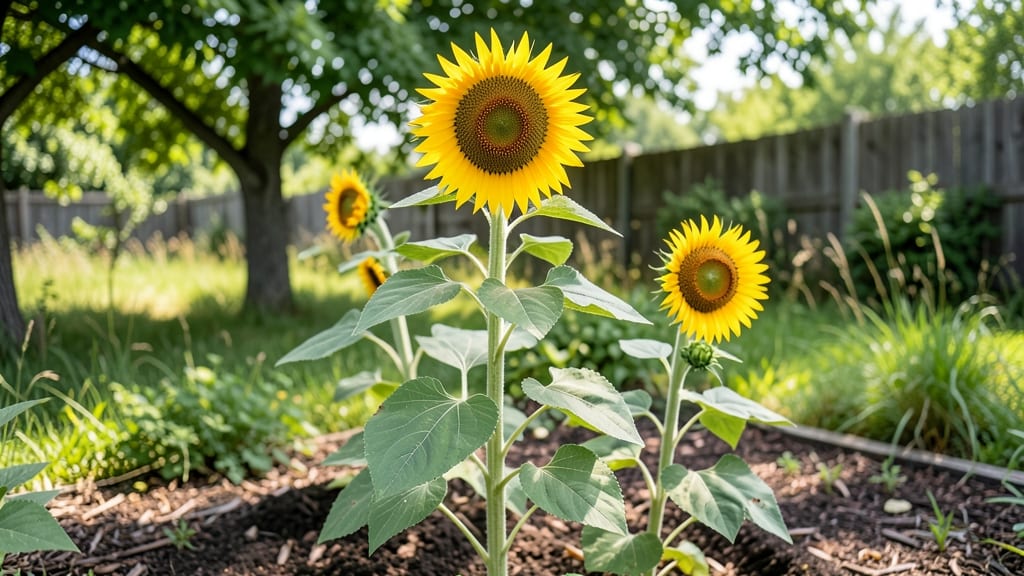
Sunflowers take 60 to 90 days to flower from seed, but the exact timeline depends on your variety, soil, and sunlight—so don’t be surprised if your 🌻 blooms earlier or later than expected.
Picture this: You’ve just tucked those tiny seeds into the soil in April, dreaming of towering golden blooms by summer. But what if your Teddy Bear variety takes 70 days while your Mammoth needs closer to 90?
Or worse, your plants are stunted because they’re fighting for space or nutrients? The right timing isn’t just about patience—it’s about setting your sunflowers up for success from day one.
Below, I’ll break down the average flowering window for popular varieties, the critical factors that speed up or slow down growth, and how to troubleshoot delays before they happen.
Whether you’re planting in USDA Zone 6a or further south, you’ll know exactly when to expect those cheerful faces popping up in your garden.
Ready to plan your sunflower schedule like a pro? You’ll learn how to adjust for your climate, avoid common mistakes, and even push your blooms to open a few days earlier—because no gardener wants to wait a second longer than necessary!
Sunflower flowering timeline by popular variety (from seed to bloom)
If you've ever planted sunflower seeds hoping for those cheerful blooms, you know the wait can feel endless! Most sunflowers take between 60 to 90 days to flower from seed, but the exact timeline depends on the variety and growing conditions.
For example, Mammoth varieties can take up to 120 days to reach full bloom, while dwarf types like Teddy Bear may flower in as little as 50 days. Understanding these differences helps you plan your garden for maximum impact.
Sunflowers are fast growers, but their flowering speed also hinges on factors like soil quality, sunlight exposure, and temperature. A seedling planted in rich, well-draining soil with full sun will often bloom weeks earlier than one struggling in poor conditions.
Even the planting method matters: direct-sown seeds typically flower faster than transplanted seedlings because they establish deeper roots sooner.
Here’s a quick look at how different sunflower varieties compare in their flowering timelines, along with key factors that influence their growth speed. This breakdown will help you set realistic expectations and troubleshoot delays if your sunflowers take longer than expected.
| Variety | Days to Flower (Direct-Sown) | Days to Flower (Transplanted) | Height | Notes |
|---|---|---|---|---|
| Mammoth (e.g., 'Russian Giant') | 90–120 days | 100–130 days | 10–16 ft | Slowest to bloom; needs deep soil |
| Teddy Bear (Dwarf) | 50–60 days | 60–70 days | 1–3 ft | Fastest bloomer; great for containers |
| ProCut (Cut Flower) | 60–75 days | 70–85 days | 5–7 ft | Balanced growth; ideal for bouquets |
| Autumn Beauty | 70–85 days | 80–95 days | 6–8 ft | Multi-colored blooms; mid-season |
| Sunspot (Dwarf) | 55–65 days | 65–75 days | 2–3 ft | Compact; great for borders |
As you can see, dwarf varieties like Teddy Bear and Sunspot are the fastest bloomers, making them perfect for impatient gardeners or small spaces. If you're growing sunflowers for cut flowers, ProCut strikes a balance between speed and height, typically flowering in 60–75 days.
Meanwhile, tall varieties like Mammoth take the longest but reward you with stunning, towering blooms.
One common question I get is whether transplanted seedlings flower faster than direct-sown seeds. The answer? Usually, the opposite! Direct-sown seeds often bloom 10–20 days earlier because they develop deeper root systems without transplant shock.
If you’re starting seeds indoors, give them a head start by planting them 4–6 weeks before the last frost, but be prepared for a slightly delayed bloom compared to outdoor planting.
Temperature also plays a huge role in
5 Critical factors that speed up or delay sunflower flowering
Sunflowers are fast growers, but their blooming timeline can vary dramatically based on your care routine. If your sunflowers aren't flowering within the expected 60–90 days, it’s likely due to one of these five factors. Understanding them will help you accelerate blooming or troubleshoot delays before they happen.
First, let’s address the biggest misconception: not all sunflowers bloom at the same time. Dwarf varieties like Teddy Bear may flower in as little as 45–55 days, while giant Mammoth types can take up to 120 days.
Your growing conditions play an even bigger role than variety selection, though. Let’s break down the critical factors that control your sunflowers’ timeline.
- 🌞 Sunlight Exposure: Sunflowers need 6–8+ hours of direct sun daily. Even partial shade can delay blooming by 2–4 weeks. South-facing plots get the fastest results.
- 💧 Watering Schedule: Deep watering 2–3x weekly (morning only) prevents stress. Overwatering or drought both stunt growth—aim for 1 inch of water per week.
- 🌡️ Temperature Thresholds: Ideal temps are 70–85°F. Below 50°F or above 90°F, growth slows dramatically. Use row covers in early spring for faster sprouting.
- 🌿 Soil Nutrients: Phosphorus-rich soil (5–10–10 fertilizer) boosts flowering. Nitrogen-heavy soils produce leafy stalks but fewer blooms. Test soil pH—aim for 6.0–7.0.
- 🌾 Spacing & Crowding: Seeds planted 6+ inches apart mature faster than crowded rows. Overcrowding (less than 4 inches apart) causes stunted growth and delayed blooms by 3+ weeks.
Now that you know the key factors, let’s tackle the most common mistakes that stall blooming. Many gardeners unknowingly create conditions that push back the flowering timeline. For example, planting seeds too early in cool soil (below 55°F) can delay germination by 10–14 days.
Always wait until the soil is warm and frost-free—use a soil thermometer if unsure.
Another overlooked issue is poor drainage. Sunflowers hate soggy roots, which can cause root rot and halt growth entirely. If your soil feels compacted or stays wet for days after rain, amend it with compost or perlite to improve airflow.
Even a 5% improvement in drainage can cut flowering time by 1–2 weeks.
Finally, don’t forget that pests and diseases can silently sabotage your sunflowers. Cucumber beetles and aphids weaken stems, while powdery mildew (common in humid climates) blocks sunlight. Inspect plants weekly and treat issues immediately—early intervention can recover a 2–3 week delay.
By focusing on these five factors, you’ll give your sunflowers the best shot at blooming on schedule. Start with sunlight and soil, then fine-tune with watering and spacing.
With the right conditions, even late-planted seeds can produce stunning blooms in just 70–80 days—proof that timing and care matter more than luck. 🌻