
Blooming
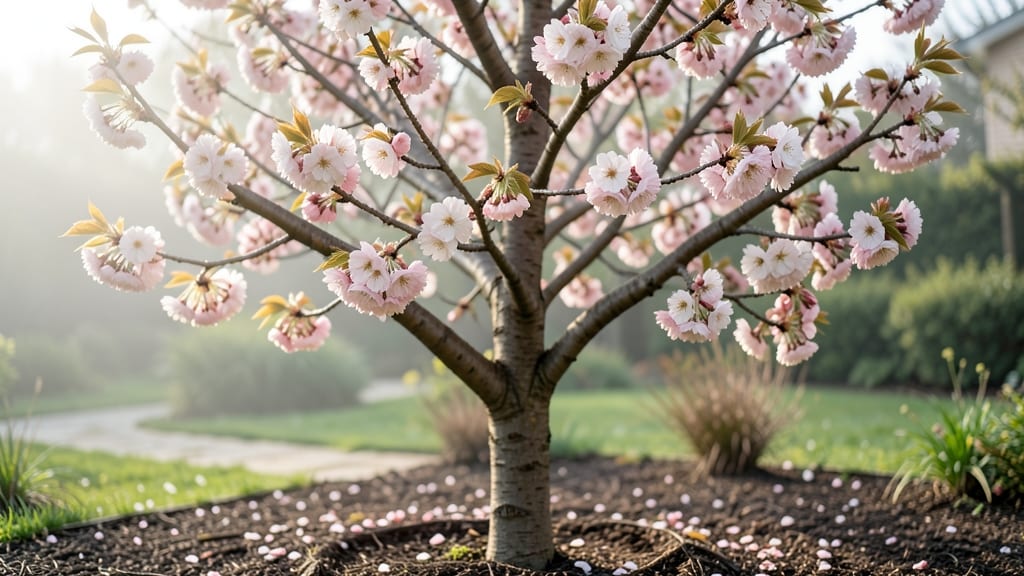
Cherry trees flower in late winter to early spring, with blooms typically appearing between February and April depending on the variety and climate zone.
Watching cherry blossoms burst into bloom is a magical sight—but timing is everything. If you’re planning to enjoy (or grow) cherry trees, knowing exactly when they flower can mean the difference between missing the show or welcoming a stunning spring spectacle.
Ornamental varieties like Yoshino and Kwanzan often bloom earlier, around March, while fruit-bearing cherries may wait until April. Climate plays a huge role—warmer southern regions see blooms weeks ahead of colder northern zones.
In this guide, I’ll break down the best times to expect flowers by variety, how to spot a healthy tree ready to bloom, and simple care tips to encourage those show-stopping blossoms year after year.
Cherry tree flowering seasons by variety: when to expect blooms
Timing your cherry tree blooms means planning for one of nature’s most breathtaking displays. Most ornamental cherry trees burst into flower in late winter to early spring, but the exact timing depends on the variety and your climate zone.
For example, the iconic Yoshino cherry typically blooms in March, while Kwanzan cherries often flower slightly later in April. Understanding these differences helps you witness—and even photograph—the peak bloom moments.
If you’re growing fruit-bearing cherries like Bing or Rainier, their flowering season usually aligns with ornamental types but may shift slightly earlier in warmer climates. The key to predicting bloom times lies in knowing your tree’s cultivar characteristics and local frost dates.
For instance, a Weeping cherry in USDA Zone 7 might bloom in late February, while the same variety in Zone 5 could wait until mid-April to avoid frost damage.
Here’s a quick comparison of popular cherry varieties and their typical bloom windows to help you plan your garden visits or photography sessions:
| Variety | Typical Bloom Month | Bloom Duration | Key Features | Best For |
|---|---|---|---|---|
| Yoshino Cherry | March (early) | 7–10 days | White flowers, upright growth | Landscaping, urban planting |
| Kwanzan Cherry | April (mid) | 10–14 days | Pink double blooms, rounded shape | Garden focal points, long bloom |
| Weeping Cherry | Late March–April | 10–12 days | Graceful weeping branches, white/pink flowers | Shade trees, dramatic displays |
| Stella Pink Cherry | April (late) | 10–14 days | Pink flowers, disease-resistant | Low-maintenance gardens |
| Bing Sweet Cherry | March–April (fruit-bearing) | 7–10 days | Dark red fruit, early blooms | Edible varieties, home orchards |
Early bloomers like the Yoshino cherry often start flowering in late February to March, making them ideal for gardeners in southern climates (Zones 7–9). These varieties thrive in warmer winters and can even bloom in January in Zone 9 or 10.
Meanwhile, Kwanzan cherries and Stella Pink tend to flower later, aligning with April in cooler regions like Zones 5–6, where frost risks delay blooming.
To identify early vs. late bloomers in your garden, watch for swollen flower buds on branches. Early bloomers will show buds in late winter, while late varieties may not develop visible buds until March.
Another trick is to note the leaf-out timing: trees that bloom before leaves appear (like Yoshino) are early bloomers, while those that flower after leaves emerge (like Bing cherries) are later in the season.
Regional variations can shift bloom windows by 2–4 weeks. For example, a Weeping cherry in California (Zone 9) might bloom in February, while the same tree in New York (Zone 5) could wait until mid-April.
Microclimates—like urban heat islands or protected garden spots—can also advance blooming by 1–2 weeks. If you’re in a transitional zone, consider planting multiple varieties to extend your bloom season.
Pro tip: Use a bloom calendar to track local cherry tree flowering. Many cities, like Washington D.C. or Tokyo, release annual bloom forecasts based on temperature trends. For home gardeners, note the first day of bloom in your area and adjust future planting plans accordingly.
This helps you avoid missing the peak bloom window, which is typically 5–7 days after the first flowers open.
If you’re growing fruit-bearing cherries, timing is critical for pollination. Most sweet cherries require cross-pollination from another variety, so plant at least two compatible trees that bloom within 3–5 days of each other. For example, pair Bing (early bloomer) with Stella (mid-season) to ensure successful fruit set.
Ornamental cherries, however, focus on visual impact, so mix early, mid, and late bloomers for a prolonged spring display.
For gardeners in cold climates
How climate Zones affect cherry tree flowering: a guide by USDA hardiness
Your cherry tree’s flowering window isn’t just about the calendar—it’s a delicate dance with your local USDA climate zone. In colder regions like Zone 5, blooms often wait until late April or May, while Zone 9 gardeners might see flowers as early as February.
These shifts happen because cherry trees need chilling hours (300–1,000 hours below 45°F) to trigger blooms, and warmer zones simply don’t provide enough cold snaps. Understanding your zone helps you predict—and even influence—when those pink cascades will appear.
Even within a zone, microclimates play a huge role. A sunny, south-facing slope in Zone 6 might bloom two weeks earlier than a shady valley spot just a mile away. Urban areas with heat islands can also push blooms earlier, while coastal regions with milder winters may delay them.
If you’ve ever wondered why your neighbor’s cherry tree flowers weeks before yours, the answer likely lies in these localized temperature variations. Pay attention to frost dates too—late frosts after buds swell can devastate blooms, especially in Zones 5–7.
For gardeners in Zones 5–7, the key to reliable blooms is protecting your tree from late frosts. If your area has a history of April frosts, consider planting late-blooming varieties like ‘Stella Compact’ or wrapping young trees in frost cloth.
In Zones 8–9, the challenge shifts to avoiding heat stress—cherry blossoms can wilt in temperatures above 85°F. Mulch heavily around the base to keep roots cool, and water deeply in the evening to extend bloom life.
Even a 10°F difference in average winter temps can shift flowering by 2–3 weeks!
If you’re in a warmer zone (like Zone 9) and notice your cherry tree flowering erratically, it might not be getting enough chill hours. Try placing a fan near the tree during winter to simulate cold winds, or choose low-chill varieties like ‘Royal Ann’ sweet cherry.
In contrast, Zone 5 gardeners should avoid pruning in late winter—removing too many branches can reduce the tree’s ability to store carbohydrates, which are critical for spring blooms. Timing is everything, even down to the pruning shears!
Don’t forget about urban heat islands—cities like Chicago (Zone 5) or Los Angeles (Zone 10) can have microclimates that feel 5–10°F warmer than rural areas. If you’re in a city, monitor your tree’s bud swell closely and be ready to act if a frost warning appears.
For rural gardeners, elevation matters: a mountain slope in Zone 6 might mimic Zone 4 conditions, delaying blooms until June. Use a local weather station or USDA Plant Hardiness Map to pinpoint your exact conditions.
To maximize your cherry tree’s blooms, adjust care based on your zone. In colder zones, focus on winter protection (mulch, windbreaks) and early spring fertilization to jumpstart growth. In warmer zones, prioritize shade cloth during heatwaves and consistent moisture to prevent bud drop.
Whether you’re in Zone 5 or Zone 9, understanding these climate-driven patterns will help you turn your cherry tree into a reliable spring showstopper year after year.