
Flowers
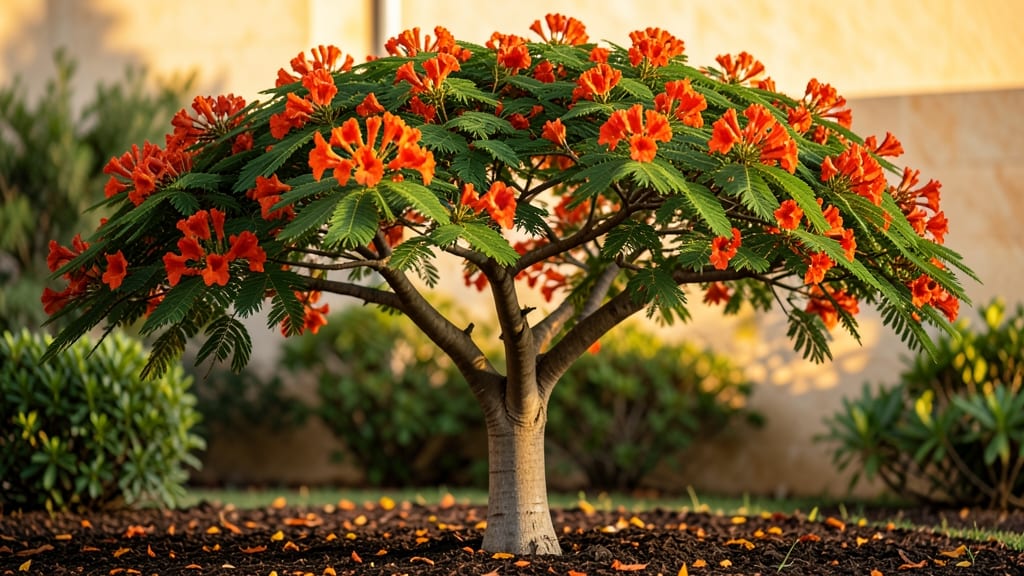
The stunning gulmohar tree flower transforms any landscape into a fiery spectacle—but many trees never deliver that showstopping display.
Picture this: a 🌳 standing tall in your yard, its branches heavy with vibrant red blooms, while your neighbor’s identical tree sits bare. What gives? The secret lies in understanding its blooming triggers—sunlight, pruning, and even soil pH.
This guide unlocks the science behind seasonal flowering in zones 10-12, plus the 3-step care routine that guarantees lush, repeat blooms year after year.
Skip the guesswork: I’ll show you exactly how to time fertilizing, prune for maximum flowers, and troubleshoot common issues like pests or slow growth—so your gulmohar becomes the talk of the neighborhood.
Gulmohar tree flowering season: when & why red blooms appear
The gulmohar tree (Delonix regia) delivers its iconic flame-red blooms in a predictable yet climate-sensitive cycle. For most tropical/subtropical regions, the primary flowering window spans late spring to early summer, with secondary blooms possible in fall.
This timing aligns with the tree's natural response to warm temperatures and increased daylight hours, both critical triggers for bud formation.
In USDA Zones 10-12, where gulmohar thrives year-round, expect peak blooms between March and June, coinciding with the monsoon onset in many Indian and Southeast Asian climates. Younger trees (under 5 years old) may produce fewer flowers, as they prioritize foliage and root development over reproductive growth.
Patience is key—mature specimens (10+ years) can blanket themselves in 1,000+ flowers per branch during optimal conditions.
Climate triggers for gulmohar blooming include daytime temperatures between 75°F and 90°F and relative humidity above 60%. Sudden temperature drops below 60°F can shock buds into premature drop, while prolonged dry spells may delay flowering until rains return. Coastal regions often see earlier blooms due to milder winters, while inland areas may experience delayed or staggered flowering.
Here’s how sunlight exposure directly impacts flower intensity: Trees receiving 6+ hours of direct sun daily produce 30-50% more blooms than those in partial shade. The eastern and southern exposures are ideal, as morning sunlight kickstarts photosynthesis while afternoon heat prevents bud stress.
In urban landscapes, trees planted near reflective surfaces (like light-colored walls) may bloom 2-3 weeks earlier due to increased light reflection.
| Seasonal Stage | Blooming Window | Climate Conditions | Tree Age Impact | Sunlight Needs | |||||||||||||||
|---|---|---|---|---|---|---|---|---|---|---|---|---|---|---|---|---|---|---|---|
| Late Winter | Bud formation begins | 60-75°F, increasing daylight | Minimal blooms (<10% potential) | 6+ hours direct sun | |||||||||||||||
| Spring Peak | March-June (primary) | 75-90°F, 60%+ humidity | 5+ years: Full bloom; <3 years: Sparse | Full sun (south/east exposure) | |||||||||||||||
| Summer Lull | July-August (bud drop) | >90°F, <40% humidity | All ages affected; stress-induced drop | 6+ hours (shade cloth helps) | |||||||||||||||
| Fall Revival | September-October (secondary) | 70-85°F, monsoon rains | Mature trees: Moderate blooms | 6+ hours (west exposure ideal) | |||||||||||||||
| Winter Dormancy | November-February (none) | <60°F, dry conditions | No blooms; focus on root health |
How to encourage gulmohar flowers: pruning, fertilizing & care tipsThe gulmohar tree (Delonix regia) thrives on proper care to produce its stunning red-orange blooms. Without the right techniques, even mature trees may skip flowering. I’ve learned that pruning timing, fertilizer balance, and sunlight exposure are the top three factors that make or break those vibrant displays. Let’s dive into the science behind encouraging your tree to burst into color every season. First, pruning isn’t just about shaping—it’s a strategic way to boost flowering. Many gardeners mistakenly prune at the wrong time, which can reduce flower production by removing potential bloom sites. The key is to prune right after flowering, typically in late winter or early spring, before new growth begins. This timing ensures you’re not cutting off next year’s flower buds, which form on new wood.
Pros & Cons of Gulmohar Flower Care
When it comes to fertilizing, a balanced NPK ratio (10-10-10) is ideal for gulmohar trees. Too much nitrogen can result in leafy growth at the expense of flowers, while a phosphorus-heavy fertilizer (like 5-10-5) encourages blooming. I recommend applying fertilizer every 2-3 months during spring and summer, but avoid fertilizing in winter when the tree is dormant. Always water the soil thoroughly after applying fertilizer to prevent root burn. Watering might seem straightforward, but deep, infrequent watering is critical for gulmohar trees. They’re surprisingly drought-tolerant once established, but shallow watering encourages weak roots. Aim for a deep soak (15-20 gallons for mature trees) every 7-10 days during dry periods. Watering in the early morning reduces evaporation and fungal risks. Avoid evening watering—wet foliage overnight can invite pests and diseases. Sunlight is non-negotiable for vibrant gulmohar blooms. These trees need at least 6 hours of direct sunlight daily to produce their signature red-orange flowers. If your tree isn’t flowering well, check its location—partial shade can drastically reduce blooms. In hot climates, some afternoon shade helps prevent leaf scorch, but morning sun is essential. If you’re growing a gulmohar in a container, place it near a south-facing window or use grow lights to supplement sunlight. One common mistake I see is over-pruning for aesthetics. While shaping is important, aggressive cuts can remove potential flower sites. Instead, focus on removing dead or crossing branches and thinning the canopy to improve airflow. Another pitfall is using too much fertilizer, which can lead to weak, leggy growth. Always follow the 1 cup per 10 sqft guideline for young trees and adjust for mature specimens. With the right balance of care, your gulmohar will reward you with a dramatic floral display every season. 🌷 |