
Blooming
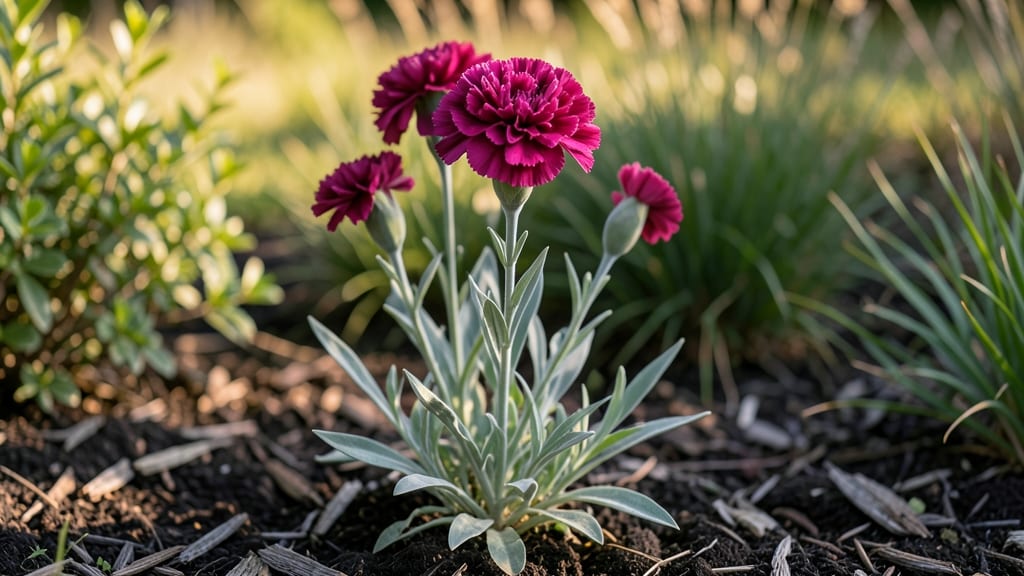
Carnations flower in late spring through summer, with timing that shifts dramatically based on your variety and climate zone.
Picture this: you’ve spent weeks nurturing your 🌸 carnations, only to wonder why some bloom in May while others wait until July. The answer lies in whether you’re growing annuals, perennials, or cold-hardy types—and how your local frost dates play into the mix.
In USDA Zone 6a, most carnations planted in spring push buds by June, but tropical varieties or those in warmer zones can flower as early as April or stretch blooms into fall. Sunlight, soil, and even last year’s pruning habits all tweak the schedule.
Below, I’ll break down the exact bloom windows for your favorite types, how to adjust for early or late seasons, and the 3 simple tricks to coax flowers weeks ahead of schedule—no guesswork required.
Carnation bloom times by variety: spring, summer, OR year-round?
Carnations are famous for their vibrant colors and long-lasting blooms, but their flowering seasons depend entirely on the variety and climate conditions.
Whether you're growing standard carnations for cut flowers or dwarf varieties for borders, knowing when to expect blooms helps you plan your garden layout and seasonal care. Some varieties burst into color in spring, while others keep blooming through summer or even year-round in mild climates.
Temperature plays a critical role in carnation blooming. Cold-hardy varieties like Dianthus caryophyllus can handle USDA zones 5-9 and often bloom in late spring or early summer. Meanwhile, tender varieties prefer warmer zones (8-11) and may bloom year-round with proper care.
Let’s break down the bloom cycles by type so you can choose the perfect carnations for your garden’s timeline.
| Variety | Bloom Season | Cold Hardiness | Notes |
|---|---|---|---|
| Standard Carnations | Late spring to early fall | Zones 5-9 | Classic cut flowers; thrive in cooler climates. |
| Spray Carnations | Summer to early fall | Zones 7-11 | Compact blooms; ideal for borders and containers. |
| Border Carnations | Spring to summer | Zones 6-10 | Dwarf varieties; perfect for edging and mass planting. |
| Perennial Carnations | Late spring to fall (year-round in mild climates) | Zones 8-11 | Repeat bloomers; low-maintenance once established. |
| Tender Carnations (e.g., Dianthus barbatus) | Spring to summer (or year-round indoors) | Zones 9-11 | Heat-loving; may need winter protection in cooler zones. |
Standard carnations are the most popular choice for gardeners in USDA zones 5-9, typically blooming from late May through early October. These tall, showy flowers thrive in cool to moderate temperatures and often produce multiple flushes of blooms if deadheaded regularly. If you’re growing them in hotter climates (zones 10-11), expect blooms to slow down in peak summer unless you provide afternoon shade.
Spray carnations, with their clustered blooms, are perfect for summer gardens and often flower from June through September. These varieties are less cold-hardy than standards and may struggle in frost-prone areas. To extend their season, plant them in well-draining soil and mulch heavily to protect roots from temperature swings. In container gardens, you can even bring them indoors during winter months for year-round color.
Border carnations are dwarf varieties designed for low-maintenance edges and mass plantings. They bloom earlier in the season, often from April to July, making them ideal for spring borders. These carnations are more cold-tolerant than spray types but still prefer full sun and well-aerated soil. If planted in shadier spots, their blooms may become sparser or less vibrant.
Perennial carnations are the workhorses of the garden, offering year-round blooms in mild climates (zones 8-11). Unlike annuals, they regrow each year and can bloom intermittently from spring through fall. To encourage continuous flowering, deadhead spent blooms and fertilize lightly every 4-6 weeks during the growing season. In cooler zones, treat them as tender perennials and dig up tubers in fall for indoor overwintering.
If you’re growing tender carnations like Dianthus barbatus, expect spring and summer blooms with minimal winter color unless you’re in zone 10 or higher. These varieties love heat but struggle with frost.
To extend their season, plant them near heat-reflective surfaces (like light-colored gravel) and water deeply during dry spells. In containers, you can even move them indoors during winter to preserve their blooms.
Temperature shifts can delay or advance carnation blooms. For example
How climate zones affect carnation flowering timelines
Carnations thrive in diverse climates, but their flowering timelines shift dramatically based on your USDA zone. In cooler zones like 3-5, frost-sensitive varieties may need protection, while warmer zones 8-11 can enjoy year-round blooms with proper care. Understanding these patterns helps you time plantings for vibrant displays.
For example, spring-blooming carnations in Zone 6 typically flower from June to October, while fall-planted varieties may bloom as early as October. In Zone 9, you can push blooms into winter with strategic planting. Let’s break down how to adjust schedules for your specific climate.
🌱 Key Timelines for Carnation Blooms by Zone
- Zones 3-5: Plant 4-6 weeks after last frost (May-June) for summer blooms (July-Sept). Use frost cloth for early varieties.
- Zones 6-7: Spring planting (March-April) yields blooms by June-October. Fall planting (August) extends blooms to November.
- Zones 8-9: Year-round planting possible. Spring blooms appear by April-May, while fall plantings flower by September-December.
- Zones 10-11: Plant anytime for continuous blooms. Heat-tolerant varieties like 'Splash' thrive with afternoon shade in peak summer.
- Forcing Blooms: In cool zones, use grow lights (12+ hours/day) to push winter blooms indoors. Start 8-10 weeks before desired bloom date.
In cooler climates (Zones 3-5), focus on hardy perennial carnations like 'Iceberg' or 'Chouette', which tolerate light frosts. These varieties often bloom earlier (May-June) than tender annuals. For extended displays, succession plant every 2-3 weeks from spring to early summer.
Warmer zones (8-11) demand heat-tolerant varieties such as 'Splash' or 'White Picotee'. These thrive with consistent moisture and afternoon shade during summer. Mulch heavily to retain soil moisture and prevent bud drop from heat stress.
Pro tip: Use seasonal markers like your local last frost date (find it via USDA Plant Hardiness Map) to time plantings. For example, in Zone 7, planting August 1st ensures fall blooms by October—perfect for holiday arrangements!
Adjust your watering schedule too: deep water 2-3 times weekly in summer, but reduce to once weekly in fall to encourage root development before winter. With these adjustments, you’ll enjoy carnations in bloom for nearly half the year—no matter your zone! 🌸