
Flowers
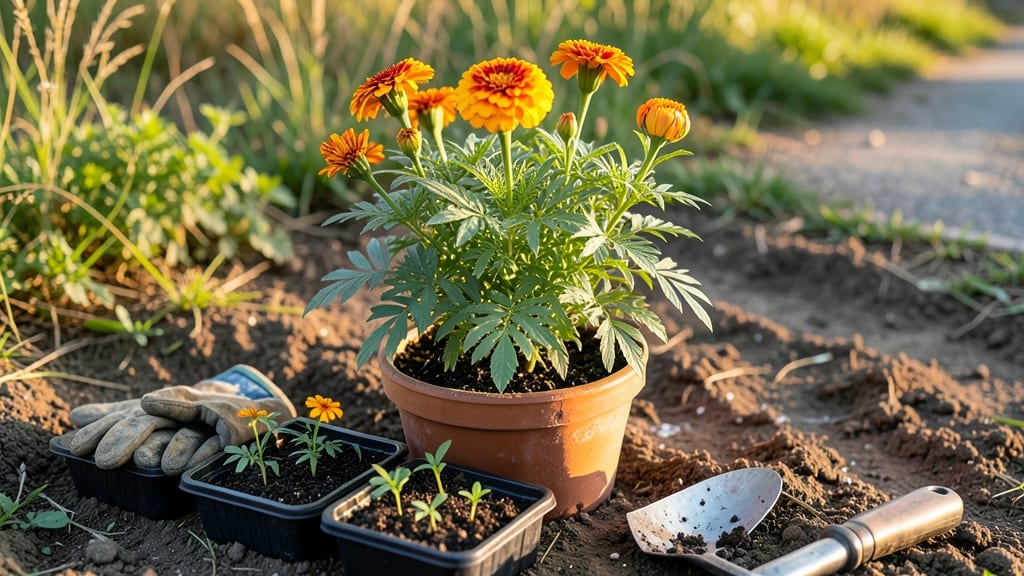
The marigolds seed to flower time varies dramatically—from as little as 45 days for fast varieties to over 75 days in cooler climates—but knowing the exact timeline lets you plan for vibrant blooms all season.
Picture this: you’ve just tucked those tiny marigold seeds into the soil after last frost, dreaming of bright orange and yellow blooms by summer. But if you’re in Zone 6a or cooler, those 🌼 might take nearly twice as long to open as they would in a warmer zone.
The difference isn’t just days—it’s weeks, and it all comes down to temperature, sunlight, and variety.
French marigolds, the speedy bloomers, often reward gardeners with flowers in just 6 weeks under ideal conditions, while African marigolds—taller and more dramatic—can stretch that timeline to 10 weeks or more. Then there’s the light factor: too little sun, and you’ll be waiting even longer.
But here’s the good news: with the right care, you can shave days (or even weeks) off that timeline.
In this guide, I’ll break down the exact seed-to-flower days for each marigold type, how your climate zone affects speed, and the 5 proven tricks to get those blooms faster—no matter where you garden.
Marigold seed to flower time by variety: fastest to slowest bloomers
If you're eager to see those cheerful marigold blooms brighten your garden, timing is everything. The seed-to-flower window varies by variety, with some types bursting into color in just 45 days while others take nearly 75 days.
Understanding these differences helps you plan succession plantings for continuous season-long blooms.
French marigolds are the speediest, often flowering in 45-60 days under ideal conditions. African marigolds, known for their bold double blooms, take slightly longer at 50-75 days.
Signet marigolds fall in between with 50-60 days to flower. These timelines assume warm soil temperatures (70°F+), full sun exposure, and consistent moisture.
Here's a quick comparison of the three main varieties to help you choose based on your planting schedule:
| Variety | Seed to Flower Time | Key Characteristics | Best For |
|---|---|---|---|
| French Marigolds | 45-60 days | Lacy, single blooms; dwarf varieties available | Early season color, borders, pest deterrence |
| Signet Marigolds | 50-60 days | Compact, bushy habit; great for containers | Patio gardens, small spaces, window boxes |
| African Marigolds | 50-75 days | Large, double blooms; tallest variety | Cut flowers, backyard displays, late-season color |
The fastest bloomers like French marigolds ('Bonanza Yellow' or 'Tangerine') often reach their first flowers in just 45 days when started indoors. For outdoor sowing, add 7-10 days to account for slower germination in cooler soils.
My personal favorite for quick color is 'French Vanilla'—it blooms reliably in 50 days and repels nematodes.
Light conditions dramatically impact bloom times. Marigolds need 6-8 hours of full sun daily to reach their potential. In partial shade (4-6 hours), expect delays of 10-15 days as plants stretch toward light.
I've seen African marigolds take 80+ days to flower when planted under tree canopies with only morning sun.
Temperature plays a crucial role too. Soil must stay above 60°F (15°C) for consistent germination. Below this, seeds may take 2-3 weeks longer to sprout. In USDA Zone 5, I start seeds indoors in late April with a heat mat to ensure timely blooms.
For Zone 10, direct sowing in February works perfectly with natural warmth.
Watering habits also affect timing. Overwatering can delay flowering by promoting leafy growth over buds. Aim for 1 inch of water weekly during establishment, then reduce to ½ inch weekly once plants are established.
My biggest mistake was keeping African marigolds too wet, which stretched their bloom time to 90 days instead of the expected 60 days.
For container growers, bloom times may extend by 5-10 days due to limited root space. Choose 5-gallon pots for African marigolds to avoid crowding. In containers, I've found that Signet marigolds ('Janie' series) bloom 55-60 days when given morning sun and afternoon shade in hot climates.
If you're planting for continuous color, stagger your sowing dates. Start with French marigolds in early spring, then add African marigolds 4-6 weeks later for a 90-day bloom sequence. This creates a non-stop flower show from June through October in my Zone 7 garden.
Remember, these timelines are guidelines. Your actual results may vary based on local microclimates, soil quality, and care routines. Keep a planting journal to track your marigolds' progress—you'll soon spot patterns unique to your garden's conditions. 🌼
How climate zones affect marigold flowering speed (with growing tips)
Your USDA climate zone is the biggest factor in how quickly marigold seeds transform into those cheerful 🌼 blooms. In Zone 11, you might see French marigolds pop in just 45 days, while gardeners in Zone 4 could be waiting 90 days or longer.
The difference comes down to soil warmth, daylight hours, and frost risks—all of which I’ll break down for you.
Marigolds are warm-season lovers, so cooler zones need special strategies to speed up germination. Meanwhile, hotter climates can overwhelm seedlings if not managed carefully. Let’s dive into the zone-by-zone breakdown so you can plan your planting schedule like a pro.
| USDA Zone | Avg. Germination Time | Seed to Flower Time | Key Growing Tip |
|---|---|---|---|
| Zones 3-4 | 14-21 days (with heat mat) | 75-90 days (French) / 85-100 days (African) | Start indoors 6-8 weeks before last frost |
| Zones 5-6 | 10-14 days | 60-75 days (French) / 70-85 days (African) | Use black plastic mulch to warm soil |
| Zones 7-8 | 7-10 days | 50-60 days (French) / 60-70 days (African) | Direct sow after soil reaches 60°F |
| Zones 9-10 | 5-7 days | 45-55 days (French) / 50-65 days (African) | Sow in fall for winter blooms |
| Zone 11 | 4-5 days | 40-50 days (French) / 45-55 days (African) | Provide afternoon shade in peak summer |
In northern zones (3-6), the biggest challenge is getting seeds to germinate at all. I’ve found that using a heat mat under seed trays can cut germination time by half.
For example, in Zone 4, marigolds often take 21 days to sprout without extra warmth—but with a heat mat, you’ll see tiny shoots in just 10 days. Once they’re up, hardening off seedlings for 7-10 days before transplanting helps them adjust to cooler temperatures.
Southern gardeners (Zones 7-11) face the opposite problem: heat stress. When temperatures exceed 90°F, marigold seedlings can bolt or develop weak stems. My trick? Plant in partial shade during the hottest months, then gradually move them to full sun as temperatures drop.
In Zone 10-11, I’ve even seen marigolds bloom in just 40 days when given consistent moisture and morning sun.
No matter your zone, soil temperature is the #1 factor. Marigolds need soil that’s at least 60°F to germinate properly. Use a soil thermometer to check—if it’s cooler, wait or use a cold frame.
And remember: African marigolds always take longer to flower than French varieties, so plan accordingly if you’re growing the taller types.
For Zone 5-6 gardeners, I recommend sowing seeds indoors in early April, then transplanting after Memorial Day. In Zones 9-11, you can sow directly in the garden as early as February for spring blooms, then repeat in August for fall color.
The key is matching your planting timing to your last frost date—never rush it, or you’ll end up with leggy, weak plants.
Want to shave even more time off your marigold timeline? Try soaking seeds overnight before planting—this can reduce germination time by 2-3 days. And if you’re in a cool zone, consider planting Signet marigolds first—they’re slightly more cold-tolerant than French varieties.
With these zone-specific tips, you’ll have 🌼 blooms on schedule, no matter where you live!