
Flowers
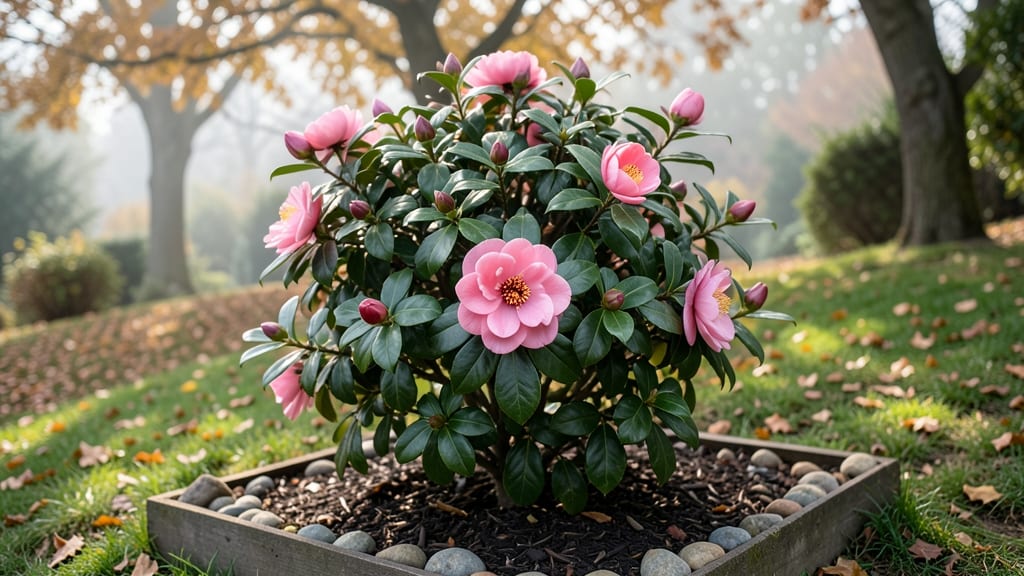
Camellias flower when cool weather arrives, typically between December and March in most climates—though some varieties defy that rule entirely.
If you’ve ever wondered why your 🌸 camellia bushes bloom at different times—or why some varieties seem to play hide-and-seek with their flowers—timing is everything.
Understanding the exact months camellias flower (and why they vary by type and climate) can mean the difference between a stunning spring display and a missed opportunity.
Most camellias thrive in USDA Zones 6a–9b, where winter’s chill triggers blooms, but fall-blooming types like Camellia sasanqua start as early as October. Meanwhile, spring varieties like Camellia japonica wait until February or March, when days grow longer.
Even within the same garden, a single plant might produce flowers twice a year if conditions are just right.
Here’s how to predict your camellia’s bloom time, adjust care for earlier or later flowers, and troubleshoot when they refuse to cooperate—without guessing.
Camellia blooming seasons by variety: fall vs spring flowering types
Camellias are famous for their stunning, long-lasting blooms, but not all varieties follow the same schedule. The two primary blooming categories—fall-flowering and spring-flowering—create a year-round display if you mix them in your garden.
Understanding these differences helps you plan for the perfect seasonal color show and troubleshoot delayed blooms.
Fall-blooming camellias typically open their buds from September to November, often lasting through winter’s chill. Spring varieties, on the other hand, burst into color from February to April, aligning with warmer temperatures. The distinction isn’t just about timing—it’s also tied to climate adaptation and cultivar genetics.
Why does this matter? Fall bloomers thrive in cooler climates, while spring types often need milder winters to avoid bud damage. Some hybrid varieties even bloom twice a year, blending both seasons for continuous interest. Let’s break down the specifics so you can choose—or identify—the perfect camellia for your garden.
| Variety | Bloom Season | Peak Months | Color Palette | Climate Notes | ||||||||||||||||
|---|---|---|---|---|---|---|---|---|---|---|---|---|---|---|---|---|---|---|---|---|
| Fall-Blooming | Late Fall | September–November | Pink, Red, White | Thrives in USDA Zones 7–9 | ||||||||||||||||
| 'Yuletide' | Fall | October–December | Crimson Red | Cold-hardy to Zone 7 | ||||||||||||||||
| 'Winter’s Star' | Winter | November–January | Deep Pink | Needs winter chill | ||||||||||||||||
| Spring-Blooming | Early Spring | February–April | White, Peach, Salmon | Zones 7–10 | ||||||||||||||||
| 'Spring’s Promise' | Spring | March–April | Soft Pink | Heat-tolerant | ||||||||||||||||
| 'Donation' | Spring | February–March | Pure White | Drought-resistant | ||||||||||||||||
How climate zones affect camellia flowering times (USDA zones 7-10)Camellias are famously finicky about timing—what triggers their winter-to-spring blooms depends entirely on your USDA climate zone. In Zone 7, frost-sensitive varieties might wait until late March or April to open, while Zone 10 camellias often burst into color as early as December or January. These shifts happen because cooler zones delay blooming until temperatures stabilize, while warmer zones trigger flowers earlier with milder winters. Microclimates—like urban heat islands or sheltered garden spots—can also shift blooming by 2-4 weeks. For example, a rural Zone 8 garden might see January blooms, while a hotter urban Zone 8 location could push flowers back to February. Understanding these patterns helps you choose varieties that align with your local window and avoid disappointment when buds fail to open on schedule. 🌱 Key Takeaway: Frost risk is the #1 factor delaying blooms in cooler zones, while consistent warm temperatures in southern zones encourage earlier flowering.
In Zone 7, where frost is a real threat, camellias often wait until after last frost (typically mid-April) to bloom. Varieties like 'Winter’s Star' may push blooms to May if temperatures dip unexpectedly. Meanwhile, Zone 10 gardens in places like Southern California or Florida can enjoy year-round blooms, with 'Yuletide' often flowering in December and reblooming in spring. Urban gardens tend to bloom 1-2 weeks later than rural ones due to heat island effects. For example, a Zone 8 camellia in Atlanta might bloom in February, while one in rural Georgia could open as early as January. To counteract this, mulch heavily in fall and provide afternoon shade in hot microclimates to protect buds from stress. If your camellia blooms seem late or sporadic, check for over-fertilizing (which delays flowers) or poor drainage (root stress). A light spring feed with acidic fertilizer (like 8-3-6) can encourage earlier blooms, but avoid feeding after mid-summer—this triggers new growth that won’t harden before winter. For Zone 7-8 growers, winter protection (like burlap wraps) can also prevent frost damage that stunts spring blooms. 🌿 Pro Tip: Plant fall-blooming varieties (like 'November Beauty') in Zone 9-10 for holiday color, and spring-bloomers (like 'Spring’s Promise') in Zone 7-8 to align with milder weather. Adjust expectations based on your local first frost date—this is your best predictor of bloom timing! |