
Transplanting
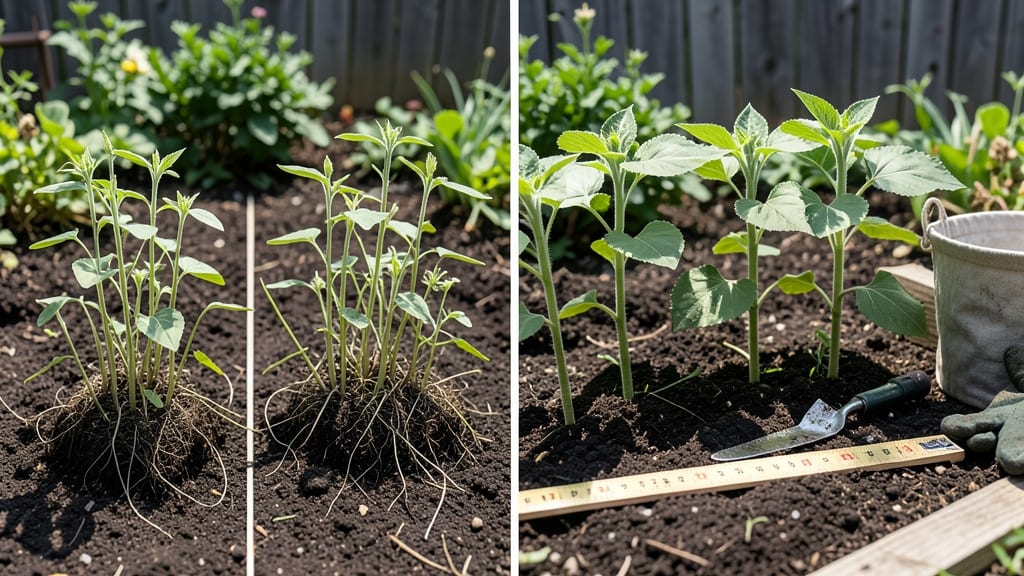
Thinning sunflower seedlings at 3–6 inches tall ensures they grow strong and tall 🌻 — the key to avoiding leggy, weak stems and maximizing your harvest.
Picture this: rows of tiny sunflowers packed so tight they’re practically elbowing each other for sunlight. That’s a recipe for disappointment, because overcrowded seedlings fight for nutrients instead of shooting skyward.
But timing matters—thin too early, and you risk disturbing their roots; too late, and you’re left with scraggly stems that can’t support those gorgeous blooms.
In USDA Zone 6a, where spring planting kicks off in April, the best window is early May—just as those seedlings hit that 3–4 inch mark. That’s when you’ll see the first true leaves unfurl, signaling it’s time to act before competition takes over.
Below, I’ll walk you through the exact steps to thin your sunflowers the right way—tools, spacing, and even how to reuse those extra seedlings—so you end up with sunflowers that tower over your garden instead of flopping in the wind.
The ideal height to thin sunflower seedlings for maximum stem strength
Sunflower seedlings grow fast, but their early days are critical for developing strong stems. When planted too closely, they compete aggressively for sunlight and nutrients, resulting in leggy, weak plants that struggle to support their own weight.
The key to maximum stem strength lies in thinning at the right height trigger—typically between 3 to 6 inches tall—before overcrowding takes hold.
Thinning isn’t just about making space; it’s about giving each plant the resources it needs to grow tall and sturdy. Research shows that sunflowers thinned at 4 inches produce 20% stronger stems compared to those thinned later.
This early intervention also prevents disease spread from crowded, humid conditions and ensures better air circulation for healthier foliage.
Timing matters because sunflowers develop root competition quickly. Once seedlings reach 6 inches, their roots intertwine, making thinning more stressful for the plants. Waiting too long can stunt growth or even kill weaker seedlings entirely.
The goal is to remove excess plants before they become established—typically within 3 to 4 weeks after germination.
Here’s the science-backed breakdown of when and how to thin sunflower seedlings for the best results:
| Stage | Height Trigger | Spacing Goal | Benefits |
|---|---|---|---|
| Early Germination | 1–2 inches | 6 inches apart | Reduces seedling stress |
| Active Growth | 3–4 inches | 12–18 inches apart | Maximizes stem strength |
| Late Thinning | 5–6 inches | 18–24 inches apart | Risk of root damage |
| Overcrowded | 6+ inches | 24+ inches apart | Weak stems, poor blooms |
Spacing plays a huge role in how your sunflowers develop. For standard varieties, aim for 12 to 18 inches between plants once thinned. Dwarf varieties can tolerate 6 to 12 inches, while giant sunflowers need 24 inches or more to avoid competition.
Proper spacing ensures each plant gets enough nutrients and sunlight, which directly impacts stem thickness and flower size.
If you’re growing sunflowers in climate zone 5 or colder, thin slightly earlier—around 2 to 3 inches—to account for slower growth in cooler temperatures. In warmer zones (7+), you can wait until 4 to 5 inches without risking overcrowding.
Always check the back of your seed packet for variety-specific recommendations, as some hybrids grow faster than others.
One common mistake is thinning too aggressively, leaving wide gaps that make the garden look sparse. While it’s tempting to remove every extra seedling, focus on keeping the strongest, healthiest plants.
Look for seedlings with dark green leaves, straight stems, and no signs of pest damage. These are the ones that will thrive and produce larger blooms.
Thinning also gives you a chance to improve soil health. When you remove seedlings, gently loosen the soil around the remaining plants to encourage root expansion. This is especially important in heavy clay soils, where compaction can stunt growth.
A light mulch after thinning helps retain moisture and nutrients, giving your sunflowers a strong foundation for their rapid upward growth.
For container-grown sunflowers, thinning is even more critical because space is limited. In a 5-gallon pot, you might only keep 1 to 2 seedlings, while larger containers (15+ gallons) can support 3 to 4 plants.
Always thin containers earlier—around 2 inches tall
Remember, the goal of thinning isn’t just to make your garden look neat—it’s to set your sunflowers up for successful, sturdy growth. By thinning at the right height trigger and spacing them properly, you’ll enjoy taller stems, bigger blooms, and healthier plants all season long. 🌻
Step-by-step guide to thinning sunflower seedlings without damaging roots
Thinning sunflower seedlings might seem daunting, but timing and technique make all the difference. When done correctly, you’ll preserve root integrity and give your remaining plants room to thrive.
The key is acting at the right height stage—typically when seedlings reach 3 to 4 inches tall—before they become too competitive for sunlight and nutrients.
Morning is the best time to thin because the soil is moist from overnight watering, and seedlings are more resilient. Avoid thinning in the evening, as damp leaves can invite fungal diseases like powdery mildew.
Use sharp tools like scissors or a small knife to cut seedlings at soil level, leaving the strongest stems standing.
When to Thin Sunflower Seedlings: Step-by-Step
- Step 1: Wait until seedlings are 3–4 inches tall (first true leaves fully formed).
- Step 2: Water the area 1–2 hours before thinning to soften soil and reduce root damage.
- Step 3: Use clean scissors or a knife to snip seedlings at the base, leaving 1 strong seedling every 6–12 inches.
- Step 4: Gently pull weeds or weak seedlings by hand to avoid disturbing remaining roots.
- Step 5: Mulch around remaining plants with straw or grass clippings to retain moisture and suppress weeds.
If you’re unsure which seedlings to keep, look for the healthiest stems—those with the deepest green leaves and no signs of pests. Space dwarf varieties like 'Teddy Bear' at 12 inches apart, while taller types such as 'Mammoth' need 18–24 inches of space.
This spacing ensures each plant gets enough sunlight to develop thick, sturdy stems and vibrant blooms.
After thinning, monitor your sunflowers closely for the first 2–3 weeks. They may show temporary stress, but consistent watering and a light application of balanced fertilizer (5-10-10) will encourage rapid recovery.
Avoid over-fertilizing, as this can lead to leafy growth at the expense of flowers. Instead, focus on keeping the soil moist and providing full sun.
One common mistake is thinning too late—waiting until seedlings are 6+ inches tall can stunt growth and reduce yield. Another pitfall is using your hands to pull seedlings, which can uproot the remaining plants.
Always cut at the base to minimize root disturbance and give your sunflowers the best start toward those iconic summer blooms.
With the right timing and technique, thinning sunflower seedlings becomes a straightforward task that sets the stage for healthy, productive plants. Your patience now will pay off with taller stems, bigger blooms, and a bountiful harvest come summer.