
Flowers
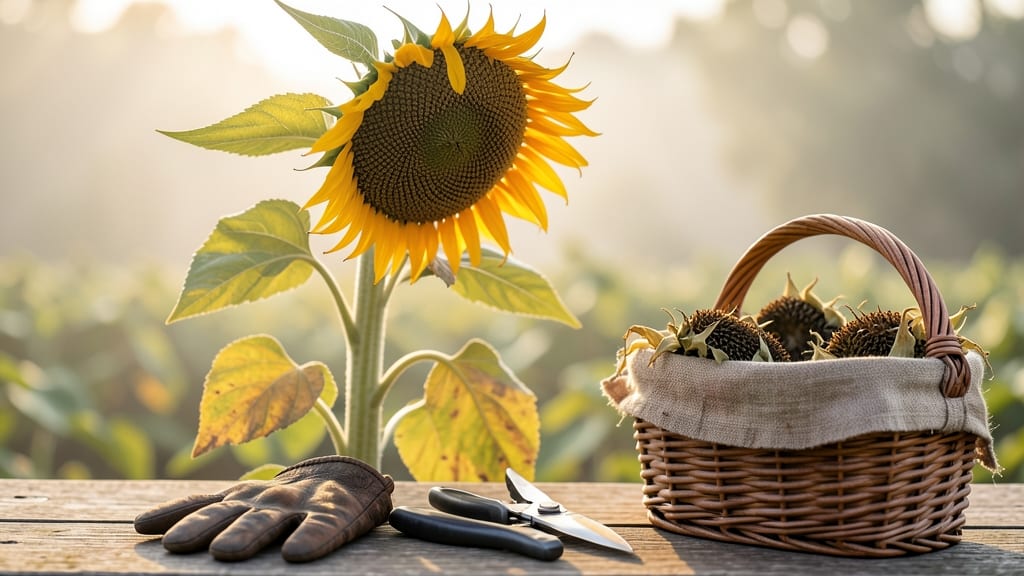
Sunflowers are ready to harvest when their seeds turn from green to black 🌻—a subtle shift that signals peak flavor, nutrition, and seed viability.
Picture this: you’ve nurtured your towering 🌻 sunflowers all summer, only to wonder if those seeds are finally ready. One wrong guess and you’ll either harvest too early (shriveled seeds) or too late (birds beat you to them).
The key? Watching for that black seed color—paired with a few other telltale signs—so you don’t miss the window between July and September.
Beyond the seed color, you’ll also spot a drooping flower head, a brown backside, and seeds that rattle when shaken. These cues matter because they ensure your seeds are plump, nutritious, and perfect for roasting, planting, or sharing.
And yes, edible varieties (like ‘Mammoth’ or ‘Autumn Beauty’) need extra attention—ornamental types might fool you with their showy petals.
In this guide, I’ll walk you through exactly how to check for readiness, what to do once they’re ripe, and how to store seeds for months ahead. No guesswork—just a foolproof way to turn your garden’s golden giants into a harvest you’ll love.
How to identify sunflower harvest readiness by seed color changes
Sunflowers go through a distinct color transformation as their seeds mature, and understanding this progression is key to harvesting at the perfect time. The journey starts with bright green seeds nestled inside the flower head, signaling early development.
As they ripen, these seeds gradually shift through yellow and brown hues before reaching their final deep black or dark brown color—this last stage is your green light for harvest.
The seed color change isn’t the only indicator, but it’s one of the most reliable. Combine it with other visual cues like a dry, papery back on the flower head and a slight droop in the petals.
Paying attention to these details ensures you don’t miss the ideal harvest window of 70-120 days after planting, depending on the variety.
| Stage | Seed Color | Head Appearance | Harvest Ready? |
|---|---|---|---|
| Early Development | Bright Green | Fully upright petals, back is green | ❌ No |
| Mid-Ripening | Yellow-Green | Petals start drooping, back turns brown | ⚠️ Not yet |
| Late Ripening | Brown | Petals fall off, back is dry and papery | ✅ Yes |
| Fully Mature | Dark Black/Brown | Head is fully brown, seeds rattle | ✅ Yes (best quality) |
Environmental factors can delay or speed up the seed color transition. For example, cooler temperatures or limited sunlight may slow the ripening process, keeping seeds green or yellow longer. Conversely, hot, dry conditions can accelerate the shift to brown or black.
If you notice your sunflowers are taking longer than expected to mature, check their growing conditions and adjust watering or sunlight exposure as needed.
One common mistake is harvesting too early because the seeds are still green or yellow. Immature seeds won’t store well and may develop mold. Always wait until the seeds are fully brown or black and the flower head feels dry and papery to the touch.
Gently shake the head—if the seeds rattle inside, that’s another clear sign of readiness.
Not all sunflower varieties follow the same timeline. Edible varieties like 'Mammoth' or 'Autumn Beauty' typically take 70-90 days to mature, while some ornamental types may ripen faster or slower.
Always refer to the seed packet instructions for variety-specific guidance, but rely on the seed color and head appearance as your primary indicators.
If you’re growing sunflowers in containers or urban gardens, they may ripen slightly faster due to warmer root zones. Monitor these plants closely, as they can reach harvest readiness in as few as 60 days under ideal conditions.
Conversely, sunflowers planted in cooler climates or high altitudes might take closer to 100-120 days to fully mature.
Once the seeds turn deep black or brown and the head is completely dry, it’s time to harvest. Use a sharp pair of pruners to cut the stem about 6-12 inches below the flower head.
This leaves room for the head to dry upside down in a well-ventilated, dry location for 1-2 weeks before removing the seeds. Proper drying prevents mold and ensures your seeds stay viable for planting or snacking.
Keep an eye out for birds and squirrels, which are drawn to ripe sunflower seeds. If you notice peck marks or missing seeds, harvest the head immediately or cover it with a breathable mesh bag to protect your bounty.
Timing your harvest just right means fewer pests and more seeds for you to enjoy.
For the best flavor and nutrition, harvest sunflower seeds when they’re fully mature but still slightly plump. Overripe seeds can become shriveled or develop a bitter taste. If you’re saving seeds for planting, aim for deep black or dark brown seeds—they’ll have the highest germination rate.
Store them in a cool, dry place in an airtight container for up to a year.
5 Key signs your sunflowers are ready for harvest (beyond seed color)
While seed color is the most obvious sign, sunflowers reveal other subtle cues that confirm they're harvest-ready. These secondary indicators help you avoid the common mistake of harvesting too early—when seeds are still soft—or too late, when birds have already feasted on your crop.
Pay attention to these physical changes that signal peak maturity.
First, observe the flower head itself. When seeds are fully mature, the petals will naturally begin to droop downward or even fall away completely. This isn't just cosmetic—it's a sign the plant is redirecting energy to seed maturation.
Check for brown or tan petals clinging to the head, which contrasts sharply with the vibrant yellow of immature blooms.
🌻
-
🌼 Petal DroopVisual CuePetals curve downward or detach naturally when mature.
-
🟤 Back Color ShiftPhysical ChangeThe receptacle (back of head) turns from green to brown.
-
🔊 Seed Rattle TestAuditory CueGently shake the flower head—seeds should rattle loudly inside.
-
🌱 Seed FirmnessTactile CheckPress a seed with your fingernail—it should not dent easily.
-
⚖️ Head WeightBalance TestLift the flower head—it should feel heavy for its size.
Another critical indicator is the back of the flower head. When seeds are ready, this area—often called the receptacle—will turn from green to brown. This color change happens because the plant stops producing chlorophyll in that area, signaling the seeds have reached full maturity.
Run your fingers along the back—it should feel dry and papery, not moist or green.
Don't overlook the seed rattle test, a foolproof method I swear by. Hold the flower head over your ear and give it a gentle shake. If the seeds inside rattle loudly, they're ready to harvest.
This works because mature seeds have dried completely and lost moisture, creating space between them. If you hear a soft thud instead, wait a few more days.
Finally, check the seed firmness by carefully removing one seed from the head. A ripe sunflower seed will feel hard and dense—you shouldn't be able to dent it with your fingernail.
If it's still soft or white inside, the seeds need more time. This test is especially useful for edible varieties, where seed quality matters most for taste and nutrition.
Harvesting at the right time means the difference between plump, flavorful seeds and shriveled, bird-snacked disappointment. Watch for these five key signs together, and you'll never miss the perfect moment again. Once you've confirmed readiness, act quickly—birds and squirrels will spot these ripe sunflowers faster than you might!