
Watering
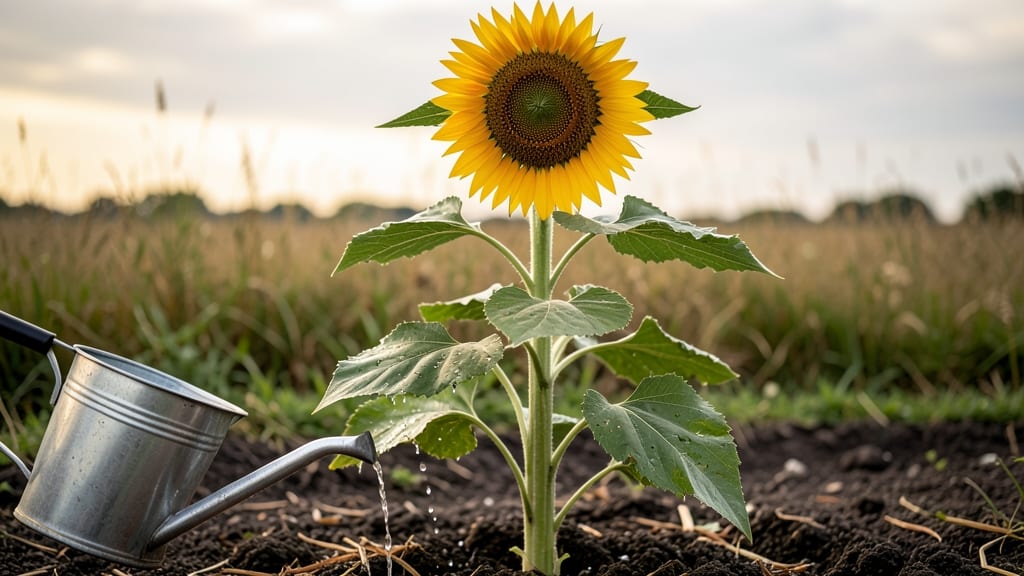
Watering sunflower plants the right way is the secret weapon behind those towering 10-foot giants you see in summer gardens.
Sunflowers can grow over 10 feet tall—but poor watering habits often cause them to flop over before they reach their full potential. Mastering the right watering schedule ensures sturdy stems, vibrant blooms, and a thriving garden staple.
Most gardeners overcomplicate it, but sunflowers actually thrive on a simple deep-soak routine—not daily sprinkles. I’ll break down exactly how much water they need at each stage, from seedlings to maturity, so you avoid the two biggest mistakes: soggy roots and thirsty stems.
By the end, you’ll know the best times to water, how to spot trouble early, and how to adjust for drought or rain. Let’s get those 🌻 stalks standing tall all season long.
The ideal watering schedule for sunflower growth stages
Sunflowers thrive when given the right amount of water at the right time, but their needs change dramatically as they grow. From delicate seedlings to towering mature plants, each stage demands a different approach to prevent floppy stems or root rot.
The key is deep-soak watering—encouraging roots to grow downward for stability and strength.
When I first planted my sunflower seeds, I made the mistake of keeping them too wet, thinking they needed constant moisture. Instead, they developed weak stems and toppled over before reaching 3 feet tall.
After researching, I learned that consistent deep watering is far more effective than frequent shallow watering. This method ensures your sunflowers grow straight and sturdy while avoiding common pitfalls.
Below is a breakdown of watering needs by growth stage, including how often to water and how much to provide. Pay special attention to the flowering stage, where watering habits directly impact bloom size and seed production.
| Growth Stage | Watering Frequency | Water Amount | Key Tips |
|---|---|---|---|
| Germination (0-7 days) | Every 2-3 days | 1/4 inch (0.6 cm) | Keep soil moist, not soggy |
| Seedling (7-30 days) | Every 3-4 days | 1/2 inch (1.3 cm) | Water at soil level to avoid stem rot |
| Stem Elongation (30-60 days) | Every 4-5 days | 1-2 inches (2.5-5 cm) | Deep watering encourages deep roots |
| Flowering (60-90 days) | Every 5-7 days | 2-3 inches (5-7.5 cm) | Avoid wetting flowers to prevent disease |
| Seed Maturation (90+ days) | Every 7-10 days | 1-2 inches (2.5-5 cm) | Reduce watering to harden seeds |
During the germination stage, it’s crucial to maintain consistent moisture without overwatering. I use a spray bottle to mist the soil lightly, ensuring the seeds stay damp but not waterlogged.
Once the seedlings emerge, switch to a watering can with a narrow spout to direct water at the soil base and avoid wetting the leaves or stems.
As your sunflowers enter the stem elongation phase, they’ll start growing rapidly—sometimes up to 2 inches per day in ideal conditions. This is when deep watering becomes essential.
Instead of frequent light watering, I water my sunflowers once every 4-5 days, soaking the soil to a depth of 6-8 inches. This encourages roots to grow deeper, providing stability for those towering stems.
When buds begin to form and the plant enters the flowering stage, watering needs shift again. At this point, sunflowers require 1-2 gallons of water per week, depending on your climate.
I’ve found that watering in the early morning minimizes evaporation and reduces the risk of fungal diseases like powdery mildew, which thrives in damp foliage.
In the final seed maturation stage, you’ll want to reduce watering slightly to allow the seeds to dry out and harden. Overwatering at this stage can lead to splitting seeds or mold growth.
I typically water my mature sunflowers every 7-10 days, providing just enough moisture to keep the soil slightly damp but not soggy.
One common mistake I see
How to water sunflowers without overwatering or drowning their roots
Sunflowers thrive on consistency, but their deep taproots need just the right balance of moisture. Too much water causes root rot and weak stems, while too little leads to stunted growth. The key is deep, infrequent watering that encourages strong roots without drowning them.
Most gardeners make two common mistakes: watering too frequently with shallow sprinkles or drowning the soil during heatwaves. Both approaches weaken sunflowers, causing them to flop over or develop moldy leaves. Let’s fix that with science-backed techniques tailored to your soil type and climate.
⚠️ Warning: Overwatering Kills Sunflowers
Sunflowers cannot tolerate soggy soil. Signs of overwatering include yellowing leaves, mushy stems, and white mold at the base. If your soil feels damp more than 2 inches down, hold off on watering for 2-3 days. Clay soil drains slower—adjust your schedule accordingly.
Start by checking your soil type—sandy soil drains quickly, while clay holds moisture longer. For sandy gardens, water deeply every 2-3 days to reach the roots. In clay-heavy soil, space watering to every 4-5 days and let the top 3 inches dry out between sessions.
Young sunflower seedlings need consistent moisture but hate soggy conditions. Use a spray bottle for gentle watering until they’re 2 inches tall, then switch to deep watering at the base. Avoid wetting the foliage to prevent fungal diseases like powdery mildew.
Mature sunflowers (over 3 feet tall) can handle slightly less frequent watering. Aim for 1-1.5 gallons per plant every 3-5 days, delivering water slowly at the soil line. Mulch with straw or wood chips to retain moisture and keep roots cool during summer heat.
Adjust your watering based on weather conditions. During hot, dry spells, increase frequency to every 2 days and water in the early morning. After heavy rain, skip watering entirely—sunflowers store moisture well once established.
Here’s your quick checklist for perfect sunflower hydration: ☑️ Water deeply 1-2 times per week (adjust for soil/climate) ☑️ Let top 2-3 inches dry between waterings ☑️ Avoid wetting leaves and stems ☑️ Mulch to lock in moisture ☑️ Reduce watering in rainy seasons ☑️ Watch for yellow leaves or mold—signs of overwatering 🌻